Abbaddonix (Elemental Entity)
Abbaddonix is the elemental embodiment of Fear, a primordial metaphysical entity that personifies terror, dread, anxiety, instinctive self-preservation, and the countless phobias that arise from mortal consciousness. Unlike demons, spirits, or monstrous beasts, Abbaddonix is not an inherently malevolent being but a sentient manifestation of a universal force that has existed since the earliest moments of creation. It represents the paradox of fear itself: the same instinct that preserves life by warning of danger can, when left unchecked, become a consuming force of paralysis, despair, and ruin. Abbaddonix possesses no permanent physical form. Instead, its body exists as an ever-changing mass of living shadow and molten gold that continuously twists, flows, and reshapes itself into an endless succession of horrifying visages. Horns dissolve into tendrils, skeletal maws emerge only to melt away, countless eyes open and vanish beneath flowing currents of darkness, and monstrous faces appear within its body before being swallowed by the shifting void. Every moment reveals a different nightmare, making it impossible for observers to determine where one form ends and another begins. Perhaps its most unsettling characteristic is that no two individuals perceive Abbaddonix in exactly the same way. While certain features—its flowing black-and-gold essence, blazing golden eyes, and ever-changing predatory anatomy, remain consistent, the entity instinctively reflects the deepest fears of whoever gazes upon it. One witness may behold a colossal dragon-like predator, another a grotesque insectoid horror, while others see serpents, skeletal titans, malformed humanoids, or innumerable combinations thereof. The creature does not create these terrors from nothing; rather, it reveals and amplifies fears that already exist within the observer's subconscious, making every encounter uniquely personal. Abbaddonix embodies not a single phobia but the convergence of all fear. The terror of death, darkness, isolation, disease, drowning, confinement, heights, predation, failure, abandonment, loss, the unknown, and countless other anxieties coexist simultaneously within its essence. As one fear subsides, another emerges, mirroring the ever-adapting nature of mortal apprehension. Its constantly shifting form serves as a visual expression of this truth, ensuring that the entity can never be fully cataloged or accurately depicted by any single image or description. Its coloration carries profound symbolic significance. The consuming black that composes much of its body represents uncertainty, ignorance, and the endless void into which all fear ultimately descends. Veins and torrents of molten gold surge throughout this darkness like living fire, symbolizing heightened awareness, instinct, and the primal alarm that compels every living creature toward survival. Together these opposing elements create a disturbing duality—an entity that is simultaneously beautiful and horrifying, mesmerizing and repulsive, impossible to fully comprehend yet equally impossible to ignore. Although commonly feared as a harbinger of madness and despair, scholars of elemental philosophy argue that Abbaddonix is neither evil nor benevolent. Like fire, gravity, or time itself, Fear is a fundamental force whose morality depends entirely upon circumstance. Without fear, living beings would possess no instinct for caution or self-preservation. Yet when fear dominates reason, it becomes a prison that consumes courage, hope, and purpose. Abbaddonix therefore stands as both protector and destroyer, embodying one of existence's oldest and most essential paradoxes. Unlike entities that manipulate perception through illusion or deception, Abbaddonix requires no falsehood to inspire terror. Its presence alone is sufficient to draw buried anxieties into conscious awareness, stripping away emotional defenses until individuals confront the deepest truths they have spent their lives avoiding. In this way, every monstrous face witnessed within its swirling form is not merely a manifestation of the elemental itself but also a reflection of the observer's own hidden psyche. Few who survive an encounter can ever agree on what they witnessed, yet all leave with the same certainty: they have looked upon Fear itself. Within the cosmology of the world, Abbaddonix serves as one of the great Elemental Manifestations, representing an immutable aspect of existence rather than a conventional deity or supernatural monster. It is a living reminder that fear cannot be destroyed, only understood and mastered. Those who attempt to flee it invariably strengthen its hold, while those who face it with wisdom and resolve discover that fear, though eternal, was never meant to rule them. As such, Abbaddonix occupies a unique place among the elemental powers, not simply as the embodiment of terror, but as the eternal mirror through which every soul must eventually confront itself.
|
|||||||||||||||||||||||||||||||||||||||||||||||||||||||||||||||||||||||||||||||||||||||||||||||||||||||||||||||||||||||||||||||||||||||||||||||
Abu
Abu is the fifth month of the thirteen-month calendar and represents "Summer Warmth," occupying the height of the warm season and the thermal apex of the year. Consisting of twenty-eight days, Abu follows Duʾuzu and precedes Zibatu, corresponding to July 22 through August 18 in the Gregorian calendar. Traditionally associated with maturity, endurance, abundance, and the sustained strength of the sun, the month symbolizes the period when natural growth reaches its fullest expression before the gradual onset of harvest decline. Like all months in the calendar, Abu maintains a fixed twenty-eight-day structure, preserving the perpetual weekly alignment that defines the system. Several observances and commemorations occur during Abu. Among its most notable celebrations is Day of the Deep (3–4 Abu), a reflective remembrance of the legendary sunken city of Tanuvah and the knowledge lost beneath the oceans, marked through storytelling by water, floating lanterns, and meditative ceremonies. Skywatcher’s Day (17 Abu) honors astronomy, traditional sky knowledge, and Indigenous star lore, encouraging people to reconnect with celestial cycles and natural methods of timekeeping. Day of the Drum (21 Abu) celebrates rhythm, oral tradition, and cultural resilience, recognizing the role of music and storytelling in preserving collective memory across civilizations. Abu also incorporates numerous internationally recognized observances, including World Drowning Prevention Day, World Hepatitis Day, International Day of Friendship, World Day Against Trafficking in Persons, International Day of the World's Indigenous Peoples, and International Youth Day. Astrologically, the month contains the transition from Leo to Virgo, while culturally it serves as a period of reflection on human knowledge, environmental stewardship, cultural continuity, and intergenerational responsibility. Within the annual cycle, Abu stands as a month of fullness and strength, balancing celebration of life's abundance with awareness of the responsibilities required to preserve it for future generations. |
|||||||||||||||||||||||||||||||||||||||||||||||||||||||||||||||||||||||||||||||||||||||||||||||||||||||||||||||||||||||||||||||||||||||||||||||
Abyssal Pressure Armor
Overview: A heavy-duty environmental armor system engineered for human operation in extreme deep-sea conditions, including abyssal trenches and the pressure-intensive zones of Atlantean habitats. The suit features multi-layer compression-resistant plating capable of withstanding hydrostatic pressures that would instantly crush unprotected humans. Integrated adaptive ballast systems allow precise control of buoyancy and orientation at varying depths, while internal thermal regulation maintains survivable temperatures in near-freezing waters. Hydraulic limb assemblies provide enhanced strength and dexterity, enabling operators to manipulate equipment, clear debris, or conduct complex rescues in environments previously accessible only to specialized submersibles or native deep-ocean species. Primarily used by the Oceanic & River Guard for deep-ocean patrols, trench rescues, and interaction with Atlantean communities, the armor is also deployed by the Civil Defense & Humanitarian Branch during maritime disasters and by the Meta-Mutant Tactical Division when extreme-environment operations are required. Its combination of protection, mobility, and life-support extends human operational reach to the ocean’s most hostile and inaccessible regions. In the post-Reset world, Abyssal Pressure Armor represents both technological resilience and strategic capability, enabling sustained underwater activity where natural pressures and cold would otherwise preclude human presence. Its use underscores the importance of deep-sea domains for exploration, rescue, and diplomatic engagement with Atlantean civilizations, while ensuring personnel survival in one of the planet's most dangerous frontiers.
|
|||||||||||||||||||||||||||||||||||||||||||||||||||||||||||||||||||||||||||||||||||||||||||||||||||||||||||||||||||||||||||||||||||||||||||||||
Abyssal Recon Division
The Abyssal Recon Division is an elite subaquatic unit within the Oceanic & River Guard of the United Lands of Wakaskató, specializing in deep-trench surveillance, undersea mapping, and the detection of hidden or clandestine structures. Its operatives are trained for long-duration missions in extreme underwater environments, emphasizing stealth, environmental harmony, and the collection of strategic intelligence rather than direct combat. This division is a cornerstone of Wakaskató's subaquatic warfare capability, providing situational awareness and reconnaissance in regions inaccessible to conventional naval forces. Operatives wear one-piece hydrodynamic pressure suits constructed from layered smart-materials in deep blue, storm gray, and seafoam green. The suits are minimally armored and smoothly contoured to reduce turbulence and avoid detection, reinforced only at life-critical points. A water-dynamic camouflage system adapts subtly to ambient light, depth, and particulate density, while low-profile designs maintain invisibility in bioluminescent or dark-water environments. Helmets are streamlined with reinforced visors, and sensor arrays are embedded flush with the suit surface to support discreet surveillance. Pearl white seam lines highlight structural joints and pressure seals, and restrained gold accents mark locking and calibration points, symbolizing controlled maritime authority. The operational philosophy of the Abyssal Recon Division prioritizes invisibility and endurance: operatives are designed to be unseen, recording, mapping, and preparing waterways for long-term monitoring. Their work ensures that Wakaskató maintains strategic knowledge of underwater terrain, hidden installations, and potential threats, bridging intelligence collection with environmental stewardship. The division’s presence exemplifies a subtle but decisive projection of national power beneath the waves, making the ocean both an ally and a controlled domain for the state.
|
|||||||||||||||||||||||||||||||||||||||||||||||||||||||||||||||||||||||||||||||||||||||||||||||||||||||||||||||||||||||||||||||||||||||||||||||
Abyzal'Kai, Kingdom of Atlantis
One of the Twelve Kingdoms of the Atlantean Empire Location: Mariana Trench Description: Deep Magic, Monsters, Kaiju tamers, abyssal bloodline mutations. Currently Ruled by Tiapolotautai, Lord of the Deep Abyzal'Kai is one of the Twelve Kingdoms of the Atlantean Empire, located in the depths of the Mariana Trench. Renowned for its mastery of deep-sea magic and its strategic command over abyssal territories, Abyzal'Kai serves as both a defensive stronghold and a research center for the study of oceanic arcana and anomalous life forms. Its unique geographic and mystical positioning allows the kingdom to cultivate powers and practices inaccessible to surface or shallower Atlantean realms. The kingdom is notable for its taming and management of colossal sea creatures, often referred to as Kaiju, which serve as both protectors and instruments of statecraft. Abyzal'Kai is also home to individuals and lineages exhibiting abyssal bloodline mutations, granting enhanced strength, durability, and adaptability to extreme pressures and magical resonance of the deep ocean. These traits make the kingdom’s warriors and arcanists among the most formidable in the Atlantean Empire. Culturally, Abyzal'Kai emphasizes a fusion of martial discipline, magical study, and environmental attunement. The society is structured to exploit the unique properties of the deep sea, with architecture, technology, and spellcraft adapted to pressures, darkness, and high-density oceanic currents. Its political system is centralized under the rule of the Tiapolotautai, Lord of the Deep, who governs both magical and military affairs with authority derived from both ancestral lineage and arcane mastery. Strategically, Abyzal'Kai functions as the Empire's primary line of defense against abyssal threats and foreign incursions from the deep ocean, while also serving as a hub for magical research and experimentation. Its influence extends into Atlantean diplomacy, where control over abyssal resources and creatures positions the kingdom as a critical power center in both military and arcane terms. In summary, Abyzal'Kai is a high-magic, abyssal stronghold of the Atlantean Empire, distinguished by its mastery of monsters, Kaiju taming, and bloodline mutations, making it a unique nexus of arcane and martial power beneath the world’s oceans.
|
|||||||||||||||||||||||||||||||||||||||||||||||||||||||||||||||||||||||||||||||||||||||||||||||||||||||||||||||||||||||||||||||||||||||||||||||
Acrobatics - Balance
|
|||||||||||||||||||||||||||||||||||||||||||||||||||||||||||||||||||||||||||||||||||||||||||||||||||||||||||||||||||||||||||||||||||||||||||||||
Acrobatics - Tumble
|
|||||||||||||||||||||||||||||||||||||||||||||||||||||||||||||||||||||||||||||||||||||||||||||||||||||||||||||||||||||||||||||||||||||||||||||||
Act of Ethnic Integration
(5964 AH) a landmark civil rights and governance statute enacted by the Grand Council of Wakaskató four years after the conclusion of the 5957 War with Britannia. Passed during the administration of Chancellor John Quincy Adams and Vice-Chancellor Ganundalegi, the Act formally established political equality among Wakaskató’s three principal population groups: Indigenous nations, citizens of African descent, and settlers or descendants of European origin. Its primary purpose was to prevent the emergence of a dominant ethnic ruling class and to ensure that national unity was built upon balanced representation rather than demographic advantage. The legislation required proportional representation across the national government, regional assemblies, military institutions, educational systems, and major civic bodies. It guaranteed equal rights to land ownership, public education, guild membership, trade participation, and military service, while encouraging integrated municipal councils to foster cooperation between communities at the local level. A distinctive feature of the Act was its recognition of multiple legal traditions, incorporating Indigenous council law, African communal legal practices, and European parliamentary procedures into a unified civic framework. During this period, military authority remained vested in the Chancellor as Commander-in-Chief of the Defensive Forces of Wakaskató, while declarations of war required approval from the Council of Nations except in emergencies, and the Council of Guardians provided ethical oversight to ensure compliance with national values and human rights. The Act of Ethnic Integration is widely regarded as one of the foundational documents of modern Wakaskató. By institutionalizing representation, shared governance, and cultural pluralism, it transformed ethnic diversity from a potential source of division into a defining pillar of national identity. Its principles shaped centuries of political development and reinforced the belief that the strength of Wakaskató arose from the deliberate partnership of its founding cultures, making the Act a cornerstone of the nation's constitutional and social order. |
|||||||||||||||||||||||||||||||||||||||||||||||||||||||||||||||||||||||||||||||||||||||||||||||||||||||||||||||||||||||||||||||||||||||||||||||
Adam
Kael Omari Asante — a Solarian human meta-mutant, astronaut, and diplomat who serves as one of Eden’s foremost representatives in interstellar affairs. Born in Port-au-Prince, Haiti, and a survivor of the Great Reset, Asante rose from a background in computational linguistics and reconstruction efforts to become a leading member of Eden Space Command and the United Nations of Eden. Operating primarily aboard The Planetary, he functions as a first-contact specialist, ambassador, and explorer, helping guide humanity’s expansion beyond the Sol System through diplomacy, cultural understanding, and scientific cooperation rather than military force. Adam is best known for his extraordinary linguistic and cognitive Gifts, including universal language comprehension, structural language analysis, localized physics distortion, selective chronokinesis, and frequency-based vocal influence. These abilities allow him to communicate with alien civilizations, decipher unknown communication systems, and navigate complex diplomatic crises with exceptional precision. Complementing his powers are advanced skills in negotiation, systems analysis, archaeology, and marksmanship, making him an adaptable problem-solver in both political and exploratory environments. Despite his capabilities, he is limited by a tendency toward overanalysis, information overload, and comparatively modest performance in direct physical combat. Within the broader history of Eden, Adam represents the transition from planetary recovery to interstellar engagement. As one of humanity’s first dedicated diplomat-explorers of the post-Reset era, he symbolizes the belief that knowledge, communication, and mutual understanding are as important to civilization’s future as technological advancement or military strength. His work aboard The Planetary has made him a central figure in first-contact initiatives, cultural exchange programs, and the development of peaceful relations between Eden and the wider galactic community.
|
|||||||||||||||||||||||||||||||||||||||||||||||||||||||||||||||||||||||||||||||||||||||||||||||||||||||||||||||||||||||||||||||||||||||||||||||
’Ādām
The First Human - In Abrahamic tradition, ’Ādām is revered as the first man, created by That-Which-Abides from the dust of the earth and given life through divine breath. His name, from the Hebrew ’Ādām ("man") and ’Ādāh ("earth"), reflects his inseparable connection to the soil from which he was formed. Said to have lived within the Garden alongside Amma Hawwa until their disobedience, eating from the Tree of Knowledge of Good and Evil, ’Ādām's fall marked the loss of immortality and the awakening of moral consciousness. Later interpretations portray him as genetically complete, embodying the total spectrum of human potential from which all later forms and variations would arise. Ancient scrolls attributed to ’Ādām, allegedly preserved within the Templar Treasure, describe his divine origin, stewardship over the living world, and prophetic visions foretelling Eden's destruction by both water and fire. Descriptions depict him as a towering sixty-foot being of immense power and radiant complexion, an interweaving of black, brown, and red tones, his form poised between divinity and dust. In what became the foundation of human chronology, 0 AH (Anno Humanitas, "Year of Humanity"), during the 8th Day of the Creation Process, approximately 4,600,495,854 years after Eden's formation and 99,999,995,854 years since the birth of the universe, on Nergalūmu, Tashrītu 10, ’Ādām, Amma Hawwa, and all their descendants were Cast Out of the Garden, an event marking both the end of divine intimacy and the beginning of the human epoch. ’Ādām is the primordial human figure in Abrahamic tradition and related interpretive systems, regarded as the first human created by That-Which-Abides (God). Formed from the dust of the earth (’ădāmāh) and animated by divine breath, ’Ādām represents the foundational archetype of humanity—both as origin and as symbolic expression of the human condition. His name derives from Hebrew ’Ādām (“human, man”) and is linguistically and conceptually tied to ’ădāmāh (“ground”), emphasizing his dual nature as both earthly substance and conscious being. In the canonical Genesis narrative, ’Ādām inhabits the Garden of Eden alongside Eve, the first woman formed as his counterpart. Their existence is defined by harmony with creation until the transgression of divine command—eating from the Tree of Knowledge of Good and Evil—results in the Casting Out. This event introduces mortality, labor, suffering, and moral awareness into human existence, marking the transition from primordial unity to historical human life. Within theological frameworks, ’Ādām thus functions as both progenitor of humanity and symbolic bearer of its fallen condition, central to doctrines of sin, responsibility, and redemption across Judaism, Christianity, and Islam. Expanded Anthropological and Interpretive Traditions In expanded interpretive systems, ’Ādām and Eve are described as genetically complete, archetypal humans containing the full spectrum of human potential. Early human diversity—later classified in scientific taxonomy as forms such as Australopithecus, Homo habilis, and Homo erectus—is interpreted within this framework not as evidence of separate evolutionary stages, but as adaptive variation emerging from a single, robust ancestral population. In this view, morphological differences (stature, cranial structure, limb proportions) reflect environmental specialization and regional expression of a unified human blueprint rather than progression from non-human ancestors. Within this model, the so-called “Homo” categories are reframed as post-Edenic morphological divergences of Adamic humanity rather than pre-human prototypes. Humanity is therefore understood as initially uniform in capacity and then diversified through dispersal, ecological adaptation, and long-term generational change following the Casting Out. Mythic Chronology and Physical Tradition Certain non-canonical traditions and interpretive reconstructions expand ’Ādām into a mythic-historical figure existing in deep prehistory (often placed in the range of several million years BCE). In these accounts, ’Ādām is described as physically immense—sometimes recorded as reaching extraordinary heights (e.g., 60 feet)—and possessing a fully formed, spiritually aware physiology. Eve is similarly depicted as a complete counterpart, formed from Adam’s rib or side, sharing equivalent stature and biological completeness. These traditions often describe early humanity as living in a pre-mortality condition prior to the Casting Out (dated in some frameworks to approximately 4,000 BCE). In this state, reproduction is continuous and structured through twin offspring lines, with lineage systems arranged to avoid direct sibling pairing. Over extended generational cycles, humanity spreads across the world while maintaining continuity of origin. Some interpretive systems introduce the concept of a hereditary “meta-mutant” or latent developmental feature passed through early human lines, occasionally described as being activated through ritual or environmental conditions. These ideas are non-textual and exist outside established historical or theological scholarship. Prophetic and Apocryphal Attributions In certain expanded traditions attributed to lost or rediscovered writings (sometimes linked in legend to preserved records or hidden archives), ’Ādām is described as recording his experiences of creation, divine communication, and prophetic visions of global destruction by both water and fire. These writings emphasize his role not only as progenitor but also as witness to cosmic order and moral instruction. Some interpretive narratives also associate ’Ādām with foresight regarding cyclical planetary destruction events, framing human history as structured around successive resets or transformative cataclysms. Post-Casting Out Anthropology and Nephilim Frameworks Later interpretive expansions distinguish between populations born before and after the Casting Out: Pre-Casting Out descendants (“Sons and Daughters of God”): beings described as closer to the original Adamic condition, often characterized as larger, longer-lived, and more uniform. Post-Casting Out descendants (“Sons and Daughters of Man”): populations experiencing reduced lifespan and increased biological variation due to environmental and existential change. Within some fringe genealogical theories, these lines are connected to the Nephilim tradition in Genesis 6, interpreted not as supernatural hybrids but as offspring of divergent human populations with differing genetic expressions. These interpretations extend into speculative models of migration, subterranean survival civilizations, and post-cataclysmic cultural divergence, though they remain outside academic and canonical frameworks. Symbolic and Theological Significance Across Abrahamic traditions, ’Ādām serves as a central archetype of humanity’s dual identity: Divine Image: reflecting intelligence, moral awareness, and stewardship of creation Planetbound Form: grounded in materiality, limitation, and mortality This duality establishes the theological foundation for human purpose, ethical responsibility, and the tension between transcendence and physical existence. The Casting Out functions as the defining rupture that transforms humanity from a state of direct divine proximity into a condition of historical struggle and moral development. Summary ’Ādām is the primordial human figure of Abrahamic tradition, created from earth and animated by divine breath, representing both the origin of humanity and its defining transformation. In canonical texts, he lives in Eden with Eve until the transgression of divine command results in expulsion, introducing mortality and moral consciousness. In expanded interpretive and mythic frameworks, ’Ādām is envisioned as a genetically complete archetype of humanity whose descendants diversify into all later human forms through environmental adaptation and generational spread. Across theological, apocryphal, and speculative traditions, he functions as both biological progenitor and symbolic anchor for humanity’s origin, fragmentation, and enduring search for restoration. |
|||||||||||||||||||||||||||||||||||||||||||||||||||||||||||||||||||||||||||||||||||||||||||||||||||||||||||||||||||||||||||||||||||||||||||||||
Adams, John Quincy
John Quincy Adams (5912–5993) - was a diplomat, jurist, and statesman who served as the 4th Vice-Chancellor of the United Lands of Wakaskató from 5956 to 5958 and as the nation's 5th Chancellor from 5958 to 5974, guiding the young state through a formative period of diplomatic consolidation and institutional development. The son of John Adams and Abigail Adams, Adams was raised in an intensely political and intellectual environment and spent much of his youth in Europe accompanying his father on diplomatic assignments. Prior to his Wakaskató leadership, he had already established a reputation in the Civic Unity Party as one of the era's most capable diplomats, serving as minister to several European courts and helping negotiate the end of the War of 5957 in the Treaty of Unity. As Vice-Chancellor and later Chancellor, Adams emphasized strong central administration, international diplomacy, and the expansion of education, infrastructure, and scientific institutions within Wakaskató. His government promoted maritime exploration, river navigation projects, and the professionalization of the civil service while reinforcing the multiethnic civic principles established earlier in the nation's legal framework. Known for his austere personal discipline, encyclopedic knowledge of law and foreign affairs, and commitment to republican governance, Adams is widely regarded as one of Wakaskató's most intellectually formidable early leaders and a key architect of its diplomatic standing in the Atlantikôi world.
|
|||||||||||||||||||||||||||||||||||||||||||||||||||||||||||||||||||||||||||||||||||||||||||||||||||||||||||||||||||||||||||||||||||||||||||||||
Adaptive Combat Uniform
|
|||||||||||||||||||||||||||||||||||||||||||||||||||||||||||||||||||||||||||||||||||||||||||||||||||||||||||||||||||||||||||||||||||||||||||||||
Adaptive Smart-Fabric
Adaptive Smart-Fabric is a programmable textile used throughout the uniforms, equipment, and structural gear of the military and agencies of the United Lands of Wakaskató, designed to dynamically alter its physical and visual properties in response to environmental conditions and system commands. Constructed from layered microfilament weaves embedded with conductive threads, responsive polymers, and distributed sensor nodes, the material can shift color, reflectivity, texture, insulation, and tensile rigidity in real time, allowing garments and gear to adapt to changes in light, temperature, terrain, and operational demands. Within the Adaptive Combat Uniform system, Smart-Fabric integrates with the outer layers of clothing to provide active camouflage, environmental shielding, controlled ventilation, and structural reinforcement without adding significant weight or bulk. The fabric functions as both material and interface, enabling embedded electronics, communications pathways, and equipment mounts to operate seamlessly across the uniform surface. Unlike armor or medical systems, Adaptive Smart-Fabric does not make autonomous tactical or physiological decisions; it simply responds to programmed parameters and environmental inputs, acting as a responsive outer skin that enhances survivability, concealment, and durability in variable field conditions. |
|||||||||||||||||||||||||||||||||||||||||||||||||||||||||||||||||||||||||||||||||||||||||||||||||||||||||||||||||||||||||||||||||||||||||||||||
Addaru
The thirteenth and final month of the thirteen-month calendar, Addaru means "Winter Awakening" and spans twenty-eight days, corresponding to March 3rd through March 31st in the Gregorian calendar. Positioned at the threshold between winter's decline and the approaching New Year, Addaru signifies the first subtle stirrings of renewal beneath lingering cold. It represents anticipation, preparation, and the quiet reorientation of both land and people toward the coming cycle of restoration marked by Nisannu. As with all months in the system, Addaru maintains a fixed twenty-eight-day structure, preserving the perpetual weekly alignment that defines the calendar's ordered and cyclical design. |
|||||||||||||||||||||||||||||||||||||||||||||||||||||||||||||||||||||||||||||||||||||||||||||||||||||||||||||||||||||||||||||||||||||||||||||||
Aegis-Line Urban Stabilization Vehicle
|
|||||||||||||||||||||||||||||||||||||||||||||||||||||||||||||||||||||||||||||||||||||||||||||||||||||||||||||||||||||||||||||||||||||||||||||||
Aerial Security Division (ASD)
Established on Ulūlu 3, 6092 under the authority of the National Security Act, the Aerial Security Division is the independent aerial and orbital defense branch of the United Lands of Wakaskató. Originating alongside the formation of the Wakaskató Intelligence Network, the ASD was tasked with securing all sovereign airspace and near-orbital domains, evolving into a rapid-response force capable of global reach within minutes. Its core mission centers on air superiority, drone warfare, reconnaissance, and precision response, supported by a fleet of advanced aircraft and autonomous systems. These include hypersonic, space-capable fighters, stealth bombers deploying EMP or plasma-based payloads, and coordinated drone swarms for surveillance and electronic warfare. The ASD also maintains a critical humanitarian function through search-and-rescue operations in extreme or inaccessible environments, from mountain ranges to open ocean and high-atmosphere incidents. Organizationally, the Division is composed of specialized units such as the Aerostat Sentinel Division, Cloudbreak Rescue Wing, Horizon Commandos, Sky Wardens, Skyshield Engineering Corps, Stratos Command, and Tempest Logistics Corps. Together, these elements enable continuous monitoring, rapid deployment, and sustained aerial operations across atmospheric and orbital layers. The ASD is symbolized by the Falcon totem, representing speed, precision, vision, and adaptability. This identity is reflected in its visual language: sky blue, steel gray, and white uniforms accented with electric blue and bronze, combined with sky-adaptive camouflage and hyper-reflective stealth coatings. Within Wakaskató’s broader framework, the ASD serves as the protective presence above the world, balancing defense with stewardship. Its doctrine, often summarized as "Guardians of the Air and Beyond," emphasizes vigilance without domination, ensuring that control of the skies remains aligned with protection, rescue, and stability rather than unchecked force.
|
|||||||||||||||||||||||||||||||||||||||||||||||||||||||||||||||||||||||||||||||||||||||||||||||||||||||||||||||||||||||||||||||||||||||||||||||
Aerial Security Division Combat & Operations Uniform
|
|||||||||||||||||||||||||||||||||||||||||||||||||||||||||||||||||||||||||||||||||||||||||||||||||||||||||||||||||||||||||||||||||||||||||||||||
Aerial Security Division Daily Service Uniform
|
|||||||||||||||||||||||||||||||||||||||||||||||||||||||||||||||||||||||||||||||||||||||||||||||||||||||||||||||||||||||||||||||||||||||||||||||
Aerial Security Division Dress Uniform
|
|||||||||||||||||||||||||||||||||||||||||||||||||||||||||||||||||||||||||||||||||||||||||||||||||||||||||||||||||||||||||||||||||||||||||||||||
The Aerie
|
|||||||||||||||||||||||||||||||||||||||||||||||||||||||||||||||||||||||||||||||||||||||||||||||||||||||||||||||||||||||||||||||||||||||||||||||
Aero-Med Lift Vessel
|
|||||||||||||||||||||||||||||||||||||||||||||||||||||||||||||||||||||||||||||||||||||||||||||||||||||||||||||||||||||||||||||||||||||||||||||||
Aerogel-Lined Fire-Resistant Modular Insert
The Aerogel-Lined Fire-Resistant Modular Insert is a specialized thermal protection component designed for integration into adaptive uniforms and protective gear used by emergency response personnel. Issued primarily to the Civil Defense & Humanitarian Branch (CDHB), with secondary use by the Aerial Security Division and situational deployment by the Eden Defense Forces, the insert is engineered for operations in extreme heat environments such as large-scale fires, aircraft crashes, industrial catastrophes, and zones affected by plasma weapon discharge. The insert consists of layered protective panels lined with ultralight silica aerogel, a highly efficient thermal insulator capable of resisting intense heat, plasma splash, and rapid backdraft conditions without burning, melting, or releasing toxic fumes. Its modular design allows the inserts to be installed within specific sections of adaptive combat uniforms or rescue suits, reinforcing areas most vulnerable to heat exposure while preserving mobility and minimizing additional weight. In operational use, the aerogel-lined inserts enable rescue teams, pilots, and recovery specialists to work safely in environments that would otherwise be lethally hot, including collapsed structures with active fire pockets or areas contaminated by high-energy weapons effects. Because the system is intended primarily for life-saving and hazard mitigation rather than combat operations, its doctrinal role emphasizes survivability and environmental protection rather than ballistic defense. Within the equipment architecture of the United Lands of Wakaskató, the Aerogel-Lined Fire-Resistant Modular Insert functions as a critical protective upgrade for personnel tasked with entering extreme thermal zones in order to locate survivors, recover casualties, and stabilize disaster sites.
|
|||||||||||||||||||||||||||||||||||||||||||||||||||||||||||||||||||||||||||||||||||||||||||||||||||||||||||||||||||||||||||||||||||||||||||||||
Aerostat Sentinel Division
The Aerostat Sentinel Division is the high-altitude platform command within the Aerial Security Division (ASD), responsible for operating and maintaining long-duration aerial infrastructure positioned far above conventional air traffic. Its mission is to provide persistent surveillance, communications relay, and early-warning capability through a network of aerostatic and ultra-endurance flight systems. By maintaining continuous observation of large sections of the atmosphere, the division forms a stable monitoring layer between ground-based radar networks and orbital defense systems. The division operates a range of specialized platforms designed for extended deployment in the upper atmosphere. These include dirigible command stations that function as mobile surveillance hubs, solar-powered glider craft capable of remaining aloft for weeks at a time, and high-altitude pseudo-satellites (HAPS) that serve as long-term observation and communications nodes. Atmospheric sensor arrays mounted on these platforms monitor weather patterns, aerial traffic, and potential aerospace threats while relaying data to ground and orbital command networks. Personnel assigned to the Aerostat Sentinel Division are trained in highly specialized operational disciplines. These include tether management for aerostat platforms, high-altitude navigation, maintenance of long-endurance flight systems, and the management of persistent sensor operations. Operators frequently work in low-pressure, extreme-cold environments where reliability and precision are essential. Within the broader defensive structure of Eden, the division plays a strategic role by ensuring uninterrupted surveillance even if satellite networks are disrupted or disabled. By maintaining a permanent presence in the upper atmosphere, the Aerostat Sentinel Division provides a resilient and continuous layer of situational awareness that strengthens the overall stability of the planet’s aerospace defense network. |
|||||||||||||||||||||||||||||||||||||||||||||||||||||||||||||||||||||||||||||||||||||||||||||||||||||||||||||||||||||||||||||||||||||||||||||||
Aeroven Thalæstrix (Air Elemental School)
Aeroven Thalæstrix is a floating sanctuary and advanced training academy dedicated to the mastery of aerokinetic power among Air Elementals. Suspended within a permanent storm vortex in the upper atmosphere of the gas giant Zephyria, the institution serves as the primary center of learning for the Auralith, an ethereal avian-abstract species whose bodies and language are composed of vibration, wind, and harmonic resonance. The academy's architecture is formed from sound-hardened cloud structures and crystalline harmonic lattices that stabilize the surrounding turbulence, allowing the complex to remain intact within hurricane-scale atmospheric currents. Governance of the school rests with the elemental entity Néphras, whose philosophy, "The wind belongs to no one. It bends to those who listen.", defines the academy"s central doctrine. Instruction is conducted through a discipline known as Symphotic Resonance, a method that teaches students to perceive and shape airflow through harmonic vibration, enabling them to ride jetstream-scale currents, guide storms, or compress subtle atmospheric motions into cutting gusts capable of slicing metal. Students of Aeroven Thalæstrix wear specialized elemental control devices known as Aether Bands, spiral arm and leg bands constructed from aerokinetic glass alloy and resonance coils that contain stabilized atmospheric vortices. Within their transparent cores, streams of mist and storm cloud rotate endlessly, providing feedback and amplification for the wearer's developing abilities. When activated, the bands cause visible ripples in the surrounding air accompanied by faint sonic vibrations reminiscent of distant thunder, helping students regulate chaotic airflow while practicing complex wind manipulation. Through this integration of harmonic architecture, elemental philosophy, and resonance-based technology, Aeroven Thalæstrix functions not only as a school but as a living storm laboratory where Air Elemental initiates learn to transform turbulence into controlled force, embodying the principle that true command of the wind arises from listening to its motion rather than attempting to dominate it.
|
|||||||||||||||||||||||||||||||||||||||||||||||||||||||||||||||||||||||||||||||||||||||||||||||||||||||||||||||||||||||||||||||||||||||||||||||
Aerwen
Tania Rivera Salcedo, formerly Tanner Rivera Salcedo is a Human–Solarian meta-mutant hero of the post-Reset world of Eden, originating from Vuriloche in the Patagonian territories of the República Puelmapu. A child survivor of the 2038 Great Reset, Aerwen belongs to the generation often referred to as the Wave-Children, individuals whose powers emerged during the world's reconstruction. Publicly known and fiercely independent, she operates outside government hero organizations, serving instead as a regional protector, emergency responder, and technical specialist for remote communities. Her distinctive appearance includes hazel eyes, dark wavy hair, an athletic build, and a condor-feather tattoo honoring her Mapuche heritage. Aerwen's abilities center on advanced aerokinesis, granting her mastery over air currents, pressure systems, and atmospheric movement. Through this power she can fly, generate cutting wind blades, create cyclones, project concussive air blasts, manipulate environmental airflow, and form reactive wind barriers capable of deflecting attacks. Her aerial perception allows her to sense disturbances in the atmosphere and track movement beyond normal sight. Combining these gifts with firearms proficiency, close-quarters combat training, and multilingual communication skills, she is considered one of Patagonia's most versatile localized defenders. However, her effectiveness diminishes in thin-atmosphere environments or locations where airflow is heavily restricted. Beyond her heroic activities, Aerwen is a respected kinetic visual artist whose work blends wind-sculpted motion, environmental design, and cultural symbolism. Known for her adventurous spirit, resilience, and refusal to commercialize her powers, she embodies a synthesis of Mapuche tradition and post-Reset innovation. Throughout New Patagonia, she occupies a unique place between folk legend and public servant, a windborne guardian whose commitment to community, ecological recovery, and personal freedom has made her a widely recognized figure in the region's ongoing renewal.
|
|||||||||||||||||||||||||||||||||||||||||||||||||||||||||||||||||||||||||||||||||||||||||||||||||||||||||||||||||||||||||||||||||||||||||||||||
Æthbarynite (Aetb)
|
|||||||||||||||||||||||||||||||||||||||||||||||||||||||||||||||||||||||||||||||||||||||||||||||||||||||||||||||||||||||||||||||||||||||||||||||
Aether Bands
Air Elemental Totem - The Aether Bands are elemental control totems worn by students of the Air Elemental academy Aeroven Thalæstrix, serving as both training instruments and stabilizing regulators for developing aerokinetic abilities. Typically worn on the arms and legs, the bands are crafted from spiraling frames of aerokinetic glass alloy and conductive metal designed to resemble miniature tornado funnels. Within each transparent core, stabilized streams of white mist and gray cloud rotate endlessly, forming a contained atmospheric vortex bound by resonance coils. This controlled storm core allows the device to translate a wearer's vibrational impulses into structured airflow manipulation, providing feedback that helps students perceive and regulate surrounding wind currents. The bands therefore function as both amplifier and governor, enabling novices to practice advanced air manipulation without unleashing uncontrolled turbulence. When activated, the Aether Bands produce visible ripples in the surrounding atmosphere as pressure waves move outward from the wearer, accompanied by faint harmonic vibrations that resemble distant thunder. These sonic signatures reflect the discipline of Symphotic Resonance taught at Aeroven Thalæstrix under the guidance of Néphras, in which air manipulation is achieved through harmonic attunement rather than brute force. Symbolically, the Aether Bands represent "control through chaos," the mastery of invisible atmospheric forces through disciplined listening and resonance. For many Air Elementals, receiving their first set of bands marks the transition from uncontrolled elemental instinct to conscious command of wind, marking an initiate's formal entry into the study of atmospheric harmony.
|
|||||||||||||||||||||||||||||||||||||||||||||||||||||||||||||||||||||||||||||||||||||||||||||||||||||||||||||||||||||||||||||||||||||||||||||||
Aether Legion
The Aether Legion is an elite interstellar operations corps within the Meta-Mutant Tactical Division (MMTD), a specialized military branch of the United Lands of Wakaskató established to organize and deploy meta-mutant operatives in defense of Eden and its expanding sphere of influence beyond the S☉L Astronomical Rotational System (S☉L.A.R. System). The Legion functions as both a spaceborne special forces unit and a diplomatic enforcement body, conducting high-risk interstellar combat missions, deep-space strike operations, and first-contact security assignments where encounters with extraterrestrial civilizations or unknown meta-biological entities require both restraint and overwhelming capability. In addition to combat roles, Legionnaires are trained as diplomatic operatives capable of representing Eden's authority in negotiations with alien powers and meta-mutant societies, providing a visible deterrent against hostile action while ensuring that contact beyond the solar frontier remains governed by established law and interstellar protocol. Members of the Aether Legion operate in vacuum-capable mobility armor designed for extended missions in space, orbital environments, and alien worlds. Their uniforms prioritize agility, survivability, and symbolic authority rather than overt intimidation, combining high-mobility exoskeletal support with integrated maneuvering thrusters, energy shielding systems, and advanced life-support technologies. The standard Legion uniform features a distinctive visual identity, astral silver and void-black armor panels accented with flowing cosmic-purple fabric elements and restrained gold ceremonial markings, paired with a panoramic helmet visor that provides full-spectrum environmental awareness. Prominent insignia identify the wearer as an official agent of Eden operating under the Meta-Mutant Tactical Division. Within the strategic doctrine of the United Lands of Wakaskató, the Aether Legion represents the point at which exploration, diplomacy, and defense converge, projecting the authority and protection of Eden into the wider cosmos. |
|||||||||||||||||||||||||||||||||||||||||||||||||||||||||||||||||||||||||||||||||||||||||||||||||||||||||||||||||||||||||||||||||||||||||||||||
Aether-Class Stratos VTOL
The Aether-Class Stratos VTOL is a stealth vertical-takeoff-and-landing transport platform developed primarily for the meta-mutant Tactical Division (MMTD) of the United Lands of Wakaskató. Designed for high-risk insertion and extraction missions in environments where conventional aircraft cannot safely operate, the craft combines grav-repulsion lift systems with advanced stealth technology to allow nearly silent flight and minimal sensor detection. Within MMTD operations, specialized variants incorporate reality-stabilization systems intended to safely transport meta-mutant operatives whose abilities may distort local physics or energy fields during deployment. The aircraft’s core mission profile includes covert infiltration, rapid team insertion, and emergency extraction in hostile or unpredictable conditions ranging from dense urban environments and mountain ranges to deep jungle terrain and large subterranean cavern networks. The Aether-Class Stratos VTOL employs silent grav-repulsion engines that enable stable hovering and precision maneuvering even in confined airspace, while layered stealth cloaking and radar-absorption surfaces reduce the craft’s thermal and electromagnetic signature. Its interior architecture is modular, allowing rapid reconfiguration between troop transport, airborne medical evacuation, reconnaissance drone deployment, or specialized meta-mutant containment modules. Although the aircraft is operated primarily by the meta-mutant Tactical Division, the Aerial Security Division maintains secondary oversight for pilot training, flight doctrine development, and coordinated airspace control during complex operations. Within Wakaskató military doctrine, the Aether-Class Stratos VTOL is regarded as one of the most versatile insertion platforms in service, enabling elite teams to reach otherwise inaccessible targets while maintaining operational secrecy and rapid extraction capability. |
|||||||||||||||||||||||||||||||||||||||||||||||||||||||||||||||||||||||||||||||||||||||||||||||||||||||||||||||||||||||||||||||||||||||||||||||
Aether-Walkers
The Aether-Walkers are quadrupedal combat mechs developed primarily for the meta-mutant Tactical Division (MMTD) of the United Lands of Wakaskató, with secondary utilization by Deep Planet Intelligence (DPI) and limited deployment within the Eden Defense Forces (EDF) for heavy, non-psionic units. Designed for planetary engagement across diverse environments, these mechs integrate kinetic shielding, plasma-mounted weaponry, and advanced mobility systems capable of traversing rugged terrain, alien surfaces, and low-gravity landscapes. Their most distinctive feature is the psionic interface, which allows trained meta-mutant operators to control the mech’s systems directly through thought, enhancing reaction time, precision targeting, and battlefield adaptability. EDF variants are deliberately stripped of psionic integration to maintain balance and prevent operational overreach. Aether-Walkers serve as both tactical tools and symbolic representations of meta-mutant capability, emphasizing strategic restraint alongside overwhelming technological power. Their quadrupedal design provides stability and adaptability across urban, jungle, mountainous, and extraterrestrial terrain, while modular weapon mounts allow rapid configuration for reconnaissance, assault, or defensive roles. Within MMTD doctrine, Aether-Walkers are not mass-deployed; their impact is amplified by selective usage in high-stakes scenarios where a combination of psionic skill and mechanized firepower is decisive. As a result, they remain emblematic of the union between human-directed technology and meta-mutant enhancement, preserving their status as a high-value, specialized asset in the United Lands of Wakaskató’s extraterrestrial and planetary operations. |
|||||||||||||||||||||||||||||||||||||||||||||||||||||||||||||||||||||||||||||||||||||||||||||||||||||||||||||||||||||||||||||||||||||||||||||||
Aetherfold
|
|||||||||||||||||||||||||||||||||||||||||||||||||||||||||||||||||||||||||||||||||||||||||||||||||||||||||||||||||||||||||||||||||||||||||||||||
Aetherfold Projector
|
|||||||||||||||||||||||||||||||||||||||||||||||||||||||||||||||||||||||||||||||||||||||||||||||||||||||||||||||||||||||||||||||||||||||||||||||
Ætherial Vein Network
|
|||||||||||||||||||||||||||||||||||||||||||||||||||||||||||||||||||||||||||||||||||||||||||||||||||||||||||||||||||||||||||||||||||||||||||||||
Aetherion
Dr. Amr Nabil El-Sayid - a meta-mutant military scientist born in Gumhūriyyat Kemet al-ʻArabiyyah and transformed in Saint Pierre during the Great Reset. His physiology, merged with a 6095s Wakaskató Space Agency flight suit, grants him enhanced strength, speed, and healing, while also amplifying his mental instability. Aetherion's unique energy field allows him to manipulate atomic charge and perceive subatomic fluctuations in living beings. Operating out of Jamhuri ya Kirinyaga, he serves as both weapon and researcher for the Eden Defense Forces, embodying the paradox of humanity's fusion with its own creations.
|
|||||||||||||||||||||||||||||||||||||||||||||||||||||||||||||||||||||||||||||||||||||||||||||||||||||||||||||||||||||||||||||||||||||||||||||||
The Ætherium Saga
The Ætherium Saga is a multidimensional epic where cosmic forces, alternate histories, and myth-forged heroes collide to decide the fate of reality itself.
|
|||||||||||||||||||||||||||||||||||||||||||||||||||||||||||||||||||||||||||||||||||||||||||||||||||||||||||||||||||||||||||||||||||||||||||||||
Ætherium Shards
The Ætherium Shards are luminous fragments of reality, each representing a distinct facet of existence and serving as the metaphysical scaffolding of the universe. Conceived as instruments of guidance, trial, and revelation, these shards are embedded within mythological artifacts and historical vessels, shaping human understanding, testing ingenuity, and influencing the course of events across time. Each shard embodies a specific aspect of reality: the Shard of Breath grants life and renewal, often associated with the Horn of Gabriel; the Shard of Order enforces cosmic law, traditionally linked to the Staff of Osiris; the Shard of Wisdom conveys knowledge and insight, contained within the Seal of Solomon; the Shard of Passage governs transitions and fate, housed in the Spear of Destiny; the Shard of Hours regulates the flow of time, integrated into the Antikythera Mechanism; the Shard of Flame embodies divine destructive energy, bound in the Ark of the Covenant; and the Shard of Memory preserves the essence of identity and history, hidden within the Holy Grail. Each shard possesses a unique physical and aesthetic signature, characterized by iridescent, metallic, or translucent qualities, reflecting the metaphysical attribute it represents. Their placements within vessels are symbolic, aligning the power of the shard with the historical or spiritual function of the artifact, bridging myth, technology, and reality. Collectively, the Ætherium Shards function as both narrative anchors and metaphysical touchstones, guiding humanity through discovery, moral choices, and the interplay between chaos and order, while preserving hidden knowledge that resonates across centuries. Their existence underpins the subtle architecture of the universe, marking the intersection of legend, science, and reality itself. |
|||||||||||||||||||||||||||||||||||||||||||||||||||||||||||||||||||||||||||||||||||||||||||||||||||||||||||||||||||||||||||||||||||||||||||||||
Aethernis Citadel
Aethernis Citadel is a monumental Elemental academy dedicated to the disciplined study and mastery of the Time Element. Existing slightly outside linear chronology, the Citadel appears from the physical universe as a cluster of immense emerald towers rising from a serene alien landscape. Within its boundaries, however, time flows according to carefully regulated internal rhythms. Scholars from different eras and worlds enter the Citadel, study temporal manipulation under controlled conditions, and return to their original moment of departure. Constructed from translucent emerald crystalline stone threaded with living veins of gold, the structure channels temporal energy throughout its architecture, producing subtle distortions in light, shadow, and motion. Refractions may show echoes of recent movement, and shadows occasionally precede the objects casting them, reflecting the Citadel’s constant interaction with temporal flow. The academy’s layout centers on the towering Chrona Spire, which houses the Temporal Core—also known as the Well of Moments—a stabilized conduit connecting numerous potential timelines. Surrounding the spire are eight specialized training towers devoted to disciplines such as time dilation, short-range reversal, temporal perception, continuity maintenance, and the study of residual temporal echoes. Bridges linking these towers subtly shift in perceived duration, making the act of traversal itself a lesson in temporal awareness. Gardens, reflective pools, and carefully moderated anomalies provide low-risk training environments where students practice manipulating localized time fields. Beyond its instructional role, Aethernis Citadel functions as a monitoring nexus for temporal disturbances across reality. Deep beneath the towers lies the Hall of Timelines, where luminous threads represent known chronological pathways and signal instability when disruptions occur. Despite the immense forces under study, the Citadel’s atmosphere remains quiet and contemplative, emphasizing patience, restraint, and responsibility. Its emblem—an emerald circle crossed by three golden arcs—symbolizes the convergence of past, present, and future within the discipline of temporal mastery.
|
|||||||||||||||||||||||||||||||||||||||||||||||||||||||||||||||||||||||||||||||||||||||||||||||||||||||||||||||||||||||||||||||||||||||||||||||
Ættfaðir
Wyatt Roger Ericksen — An Shoshone'na-born, Íslandic-based hero and former Deep Planet Intelligence soldier, whose powers of storm control stem from a hybrid of ancient Niðarite and alien alloys. Revered across Northern territories for restoring climate stability during post-Reset recovery, Ættfaðir operates as an independent guardian of the North. Known for his discipline, compassion, and restraint, he symbolizes humanity's will to master the elements without surrendering to them.
|
|||||||||||||||||||||||||||||||||||||||||||||||||||||||||||||||||||||||||||||||||||||||||||||||||||||||||||||||||||||||||||||||||||||||||||||||
AEVA (Adaptive Evolutionary Variant Alpha)
Dr. Aïsha Élodie Valette Amrani - The first post-Reset birth following the 6183 Atomic Particle Wave, AEVA represents a stabilized human-Gift fusion, capable of instantaneous regeneration, trans-spatial movement, and enhanced cognition. As Director of Power Development & Control at The T.I.T.A.N.S. Academy, she pioneers safe-use methodologies for meta-mutation. Her measured empathy and unshakable composure make her both scientist and symbol of humanity's new dawn.
|
|||||||||||||||||||||||||||||||||||||||||||||||||||||||||||||||||||||||||||||||||||||||||||||||||||||||||||||||||||||||||||||||||||||||||||||||
Aevum-51 Temporal Exo-Suit
Aevum-51 Temporal Exo-Suit — Classified temporal-manipulation exo-platform developed from early failed attempts to weaponize accelerated artificial cognition. Unlike its predecessor systems, which culminated in the rogue entity known as BOLT, the Aevum-51 represents a controlled application of localized time dilation engineered for human operation. The suit generates a contained chronal field that drastically alters the relative flow of time between the wearer and the external environment. At peak output, the system achieves a ratio approximating one subjective hour per one second of real time. To outside observers, the wearer appears to move with extreme, near-instantaneous speed; in reality, the user operates within a stretched temporal frame, allowing for complex actions, decision-making, and environmental interaction within fractions of a second. Structurally, the Aevum-51 integrates adaptive exo-mesh musculature, magnetic armor plating, and a neural synchronization interface that translates user intent into immediate physical response. The system compensates for human biological limitations by buffering cognitive load, though extended use results in neural fatigue, temporal dissonance, and potential seizure risk. A built-in thermal regulator restricts continuous operation, making sustained high-output use unstable. Within the broader post-Reset landscape, the Aevum-51 is considered a Tier-Black prototype: irreplaceable, unregistered, and strategically volatile. Its theft represents both a technological breach and a geopolitical liability, as control over time—not speed—redefines tactical superiority.
|
|||||||||||||||||||||||||||||||||||||||||||||||||||||||||||||||||||||||||||||||||||||||||||||||||||||||||||||||||||||||||||||||||||||||||||||||
Africa Industrialization Day
Africa Industrialization Day (AID) was first declared during the 25th Ordinary Session of the Organization of African Unity (OAU) in 6134 AH, when Heads of State and Government recognized that industrialization is central to Africa's economic independence, competitiveness, and resilience. This declaration, later endorsed by the United Nations General Assembly, affirmed industrial development as a cornerstone for achieving the continent's long-term growth and structural transformation. AID serves as a continental platform to celebrate Africa's progress in advancing industrial development while reflecting on the challenges that continue to shape the continent's path toward inclusive and sustainable transformation. The commemoration offers an opportunity for Member States, Regional Economic Communities (RECs), the private sector, civil society, and development partners to renew their shared commitment to Agenda 6208, which envisions "an integrated, prosperous, and peaceful Africa, driven by its own citizens and representing a dynamic force in the global arena." |
|||||||||||||||||||||||||||||||||||||||||||||||||||||||||||||||||||||||||||||||||||||||||||||||||||||||||||||||||||||||||||||||||||||||||||||||
African Conglomerate of Nations
The African Conglomerate of Nations, formally known in Arabic as Almajmuʿ al-Qawmī al-ʾIfriqī, is a supranational economic and civil administration established in the early 6180s through the vision of King Hassan Abdullah Khnum bin Loutfy al-Mansour, who proposed restructuring regional governance according to a corporate-style cooperative model. Rather than functioning as a traditional alliance or federation, the ACN operates as an integrated macro-economic consortium in which member states coordinate infrastructure, labor allocation, food production, public health, and resource distribution through a centralized planning authority. Citizens of participating nations are formally recognized as state employees within a guaranteed employment system, receiving government wages, housing, medical care, and supply provisions in exchange for contributing labor to sectors aligned with their region's natural and technical strengths. The founding charter was initiated jointly by Yārdon and Gumhūriyyat Kemet al-ʻArabiyyah, which became the first charter members and administrative centers for the conglomerate. Additional participating regions soon included Jumhūriyyat as-Kūsh, Bilād as-Sūdān, Jamhuuriyadda Obock, République du Kanem-Bornu, Garamantian Kingdom, and several culturally defined territories such as the Kingdom of Punt, an-Nūba, and Ubangi-Shari, forming a contiguous cooperative bloc spanning portions of northeastern and central Africa and adjacent territories. The ACN's founding philosophy emphasized eliminating interregional warfare by consolidating economic planning, infrastructure development, and resource management under a single strategic framework capable of leveraging the distinct environmental and cultural strengths of each member region. Beginning in 6185 AH, the ACN launched an ambitious continental stabilization program combining ecological preservation, food security, and energy independence. One of its earliest projects involved the construction of vast domed zoological sanctuaries intended to preserve surviving animal populations after widespread ecological disruption. In 6186 AH, the largest man-made zoological preserve in the world was completed along the Mifrátz Eilát by the joint efforts of Yārdon and Gumhūriyyat Kemet al-ʻArabiyyah. The complex incorporated large-scale desalination and filtration systems drawing water from the gulf, enabling the facility to house diverse species rescued from across multiple continents while supplementing populations already maintained in international wildlife bunkers. Concurrently, the ACN initiated construction of an enormous underground aquifer system linked to the Aur jtrw basin. This subterranean water network employed ultraviolet filtration channels to purify transported water while capturing sediment and mineral by-products, which were processed into fertile agricultural soil distributed throughout participating regions. The aquifer project gradually became a cornerstone of the conglomerate's strategy for restoring arable land and sustaining expanding urban populations. Agricultural development formed the second pillar of the ACN's infrastructure agenda. Based on engineering designs authored by King Hassan Abdullah Khnum bin Loutfy al-Mansour, construction began on a series of immense climate-controlled greenhouse complexes intended to become the largest domed agricultural installations ever built. By integrating hydroponic systems beneath the domes and controlled ecosystems above them, these facilities allowed year-round cultivation of staple crops independent of external climate conditions. By 6189 AH, the conglomerate had expanded this model into city-scale greenhouse districts combined with subterranean hydroponic farms, enabling the ACN to emerge as one of the world's primary food-producing blocs. These agricultural megastructures were complemented by extensive coastal wildlife reserves designed not only for conservation but also for genetic preservation and ecological restoration. Energy infrastructure advanced rapidly after 6187 AH when King Hassan Abdullah Khnum bin Loutfy al-Mansour, collaborating with Katóni technologists, successfully replicated experimental free-energy generators derived from the work of Nikola Tesla. These generators fed power into towering tekhenu—monumental obelisk-like structures inspired by ancient Kemetian forms, which conducted energy into the surrounding earth. The resulting electromagnetic fields stimulated plant growth, stabilized soil conditions, and produced a subtle grounding effect on individuals standing barefoot upon the energized terrain. The system also allowed simple electrical devices, such as light bulbs, to draw power directly from conductive soil, effectively creating distributed energy networks without conventional wiring. Major ACN cities such as al-Qāhirah al-Mu'izziyyah and Iunu rapidly adopted these installations, making freely available electricity a defining feature of urban life within the conglomerate. By the mid-6180s the African Conglomerate of Nations had become a major geopolitical and economic force, distinguished by its centralized economic planning, massive agricultural output, and ambitious ecological preservation programs. Its ability to produce food on an industrial scale while simultaneously protecting wildlife populations granted the organization considerable influence in international reconstruction efforts. Within this system, King Hassan Abdullah Khnum bin Loutfy al-Mansour emerged as one of the most powerful individuals of the era, not through personal wealth in the conventional sense, but through his strategic control over the conglomerate's technological infrastructure, energy systems, and food supply networks. As a result, the ACN came to be viewed not merely as a political alliance but as a new model of civilizational organization: a cooperative macro-state designed to coordinate the survival, productivity, and ecological recovery of an entire region in the aftermath of global upheaval. |
|||||||||||||||||||||||||||||||||||||||||||||||||||||||||||||||||||||||||||||||||||||||||||||||||||||||||||||||||||||||||||||||||||||||||||||||
African Cultural Patrimony Accord
The African Cultural Patrimony Accord, signed on December 14th, 2027, is an international treaty designed to restore African nations’ ownership and stewardship over cultural and historical artifacts, including those from the Templar Treasure. Initiated by the Moray Brothers in coordination with the individual heads of African nations and multiple United Earth Empire (UEE) member states, the Accord establishes the formal repatriation of significant collections, granting recipient nations authority over curation, research, and public exhibition. The agreement emphasizes cultural preservation, ethical stewardship, and the educational value of returning heritage items to their places of origin. Under the terms of the Accord, participating European nations committed to funding the construction and operation of museums, research centers, and archival facilities within African territories. These institutions are intended to provide infrastructure for the proper conservation, study, and display of repatriated artifacts while promoting local scholarship and international collaboration. The African Cultural Patrimony Accord represents a landmark in global heritage diplomacy, combining legal restitution with practical support to ensure long-term preservation, accessibility, and recognition of Africa’s historical and cultural contributions. |
|||||||||||||||||||||||||||||||||||||||||||||||||||||||||||||||||||||||||||||||||||||||||||||||||||||||||||||||||||||||||||||||||||||||||||||||
Age of Abyssal War
The Age of Abyssal War was the final and most decisive conflict ever fought within the World Ocean, marking the end of oceanic titan dominance and the unification of the Twelve Kingdoms into a single Atlantean Empire. It is defined by the clash between Atlantean civilization and the Drurdran Collective, an alien, shape-shifting species capable of merging into vast, coordinated macro-forms, including living vessels and war constructs. The war reached its turning point with the development of the Phase-Lock Disruptor Dart by Atlantean Arcanophysicists. This weapon did not simply alter physical form; it severed the Drurdran from their shared neural field, preventing biological synchronization and forcing permanent individualization. Deprived of their collective cohesion, the Drurdran lost their greatest advantage—the ability to scale and adapt as unified entities. Hundreds of thousands were permanently altered before the final engagement. The culmination of the war was the fall of Gorgadun, a massive composite entity formed from over 2,000 Drurdran acting in perfect unison, shaped into a megalodon-like titan of immense scale. During the decisive battle, the disruptor technology destabilized its cohesion, after which Atlantean Æthermancers sacrificed their life-force to force a final, irreversible synchronization state. This act fused the collective into a single, fixed mass, rendering it incapable of reconfiguration. Gorgadun’s subsequent death triggered catastrophic shockwaves, carving a vast scar across the ocean floor. Its remains were later stabilized and repurposed; the calcified jaw structure became the frame of the Leviathan Throne, symbol of imperial rule. Following this event, the remaining unaltered Drurdran retreated from the planet, while those permanently individualized were left behind, unable to survive interstellar travel. Modern surface science classifies these remnants as octopuses, though persistent anomalies in cognition and behavior remain unexplained. The war also produced lasting biological consequences among the Atlanteans. Volunteer soldiers were transformed into large, specialized aquatic forms for combat and transport. Over time, these forms endured, becoming what surface science would later identify as cetaceans—whales and dolphins—whose anatomical features still suggest an origin inconsistent with standard evolutionary pathways. The end of the Age of Abyssal War coincided with the destruction of the Tower of Babel in 1725 AH (2421 BCE), suggesting a broader period of global upheaval. As a whole, the Age of Abyssal War stands as a pivotal era in which biology, technology, and Ætheric force converged to reshape both the political order of the oceans and the evolutionary trajectory of life on Eden. |
|||||||||||||||||||||||||||||||||||||||||||||||||||||||||||||||||||||||||||||||||||||||||||||||||||||||||||||||||||||||||||||||||||||||||||||||
Agent Argus
Thomas R. Quinn — Non-Legacy human enhanced by the NSIP neuro-synchronization experiment in the late 6180s. Serves as a living intelligence conduit, capable of pattern recognition across psychological, geopolitical, and metaphysical systems. Aged 94 but physically 38, Quinn's frozen biostate resulted from the 6183 Atomic Particle Wave interfering with his neural sync field. His influence is subtle but foundational to the stability of post-Reset Eden. Operates from The T.I.T.A.N.S. Academy as intelligence liaison and ethics anchor.
|
|||||||||||||||||||||||||||||||||||||||||||||||||||||||||||||||||||||||||||||||||||||||||||||||||||||||||||||||||||||||||||||||||||||||||||||||
Agent Glory
Grant Solomon Gale — Meta-mutant Legacy hero representing the United Lands of Wakaskató's post-Reset optimism. Empowered by kinetic deflection and enhanced resilience from direct exposure to the 6183 Atomic Particle Wave, Gale became a living symbol of civic faith and unity. While beloved by the public, he is internally conflicted - trapped between authenticity and propaganda, sincerity and spectacle. Operates under Panoptes oversight as a morale figurehead and public interface with the Legacy community.
|
|||||||||||||||||||||||||||||||||||||||||||||||||||||||||||||||||||||||||||||||||||||||||||||||||||||||||||||||||||||||||||||||||||||||||||||||
Agent Smith
Hanif el-Fazad — A cybernetic tactician and covert manipulator operating as the government liaison to The Oathbound. Officially a bureaucrat, unofficially the architect behind multiple geopolitical realignments post-Reset. Once human, now a living interface between organic thought and digital network, capable of traversing information streams and commandeering technology directly. El-Fazad is neither hero nor villain by self-definition; he is inevitability given human form.
|
|||||||||||||||||||||||||||||||||||||||||||||||||||||||||||||||||||||||||||||||||||||||||||||||||||||||||||||||||||||||||||||||||||||||||||||||
Agnew, Spiro Theodore
Spiro Theodore Agnew (Tashrītu 27, 6063 – Ulūlu 2, 6141) was the 23rd Vice-Chancellor of the United Lands of Wakaskató, serving from 6112 AH until his resignation in 6117 AH under Chancellor Richard Milhous Nixon. A member of the Republican Party, Agnew rose rapidly through regional government and became known for his forceful political rhetoric and his alignment with the law-and-order politics that shaped the early 6110s. Prior to the vice-chancellorship, he served as 3rd District Steward of Pahapsco (Baltimore) County from 6106 to 6110 and as 55th Principal Elder of the Nanticoke Protectorate (Maryland) from 6110 to 6112. Born in the Independent City of Pahapsco (Baltimore) to a Greek immigrant father and an American mother, Agnew studied at Johns Hopkins University before earning a law degree from the University of Pahapsco School of Law. His early career included work as a campaign aide to People's Councilmember James Devereux and service on the Pahapsco County Board of Zoning Appeals. Agnew gained regional prominence through his stewardship and later his election as Principal Elder, where he defeated opponents George P. Mahoney and Hyman A. Pressman. Selected as Nixon's running mate at the 6111 Republican National Convention, Agnew helped secure victory against the Democratic ticket led by Hubert Humphrey and Lands Councilmember Edmund Muskie, as well as the Katóni Independent Party ticket of George Wallace and Curtis LeMay. As Vice-Chancellor, he frequently acted as a political attack surrogate for the administration, attacking political rivals, and gradually adopted a more openly conservative public stance. Agnew's career ended in scandal when investigators uncovered a long-running bribery and kickback scheme dating back to his local offices. In 6117 he pleaded no contest to felony tax evasion, resigned the vice-chancellorship, and was replaced by Leslie Lynch King Jr.. After leaving office, Agnew lived largely in seclusion, publishing a novel and memoir defending his actions before dying in 6141 at age 77 from undiagnosed acute leukemia. His tenure remains one of the most controversial vice-chancellorships in Wakaskató political history. |
|||||||||||||||||||||||||||||||||||||||||||||||||||||||||||||||||||||||||||||||||||||||||||||||||||||||||||||||||||||||||||||||||||||||||||||||
AI-Integrated Hacking Modules
(GBI Issue) - The AI-Integrated Hacking Modules are a suite of GBI-issued counter-cyber warfare systems that fuse advanced machine learning with tactical cyber tools to detect, analyze, and respond to hostile digital operations against the United Lands of Wakaskató. Engineered as modular appliances and cloud agents, the modules perform continuous network telemetry ingestion, autonomous threat triage, adversary behavior emulation, and adaptive containment—escalating only under preconfigured, legally sanctioned rules and human authorization. Emphasis on resilience and accountability shapes their design: immutable audit logs, explainable-AI decision traces, remote kill-switches, and layered safeguards guard against mission creep and collateral damage. Deployed across critical infrastructure, government networks, and expeditionary command nodes, the modules support both passive defense and narrowly scoped, rule-bound countermeasures (such as beaconing disruption or credential quarantine) coordinated with national legal authorities. Their development prioritizes interoperability, rapid updates, and red-team validation, making them central to Wakaskató's cyber deterrence posture while reflecting a governance framework that balances operational necessity with civil liberties and international law. |
|||||||||||||||||||||||||||||||||||||||||||||||||||||||||||||||||||||||||||||||||||||||||||||||||||||||||||||||||||||||||||||||||||||||||||||||
Air (Breath Holding Duration)
Constitution Sub-Skill - Air, within the Constitution skill framework, measures a character’s ability to sustain life in the absence of breathable oxygen. More than simple lung capacity, it reflects full-system efficiency: oxygen storage, metabolic suppression, cellular resilience, and, at higher tiers, adaptation beyond standard biological dependence on respiration. In *The Ætherium Saga*, this sub-skill is essential for survival in hostile environments, including deep oceans, vacuum exposure, toxic atmospheres, and Æther-altered zones where conventional breathing is unreliable or impossible. At lower levels, Air functions as a straightforward endurance metric. A **Novice** struggles to hold breath beyond a few seconds, while a **Copper Initiate** can manage up to one minute under controlled conditions. By the **Tantalum Disciple** and **Jade Warden** tiers, individuals extend this capacity to two and five minutes respectively, reflecting improved lung control and early metabolic regulation. Mid-tier mastery introduces physiological adaptation. A **Gold Seeker** can sustain a ten-minute breath hold, often sufficient for underwater traversal or short-term hazard exposure. A **Gold Champion** surpasses normal biological limits, capable of operating for hours without breathing, indicating advanced oxygen conservation and reduced metabolic demand. At higher tiers, Air becomes transformative. An **Amber Lord** can survive a full day without oxygen, while a **Sapphire Sage** requires respiration only once per week, suggesting near-complete internal recycling of vital resources. The **Adept Titan** no longer depends on oxygen at all, functioning independently of atmospheric conditions. At the pinnacle, the **Rainbow Ascendant** transcends the concept entirely—air is no longer a requirement, as existence is sustained through alternative energetic or Ætheric means. As a sub-skill, Air is critical in a post-Reset world defined by environmental instability and non-terrestrial conditions. It distinguishes those bound by biology from those who have adapted—or evolved—beyond it, marking a clear progression from survival to complete independence from one of life’s most fundamental needs.
|
|||||||||||||||||||||||||||||||||||||||||||||||||||||||||||||||||||||||||||||||||||||||||||||||||||||||||||||||||||||||||||||||||||||||||||||||
alʿĪd alṣaghīr
Festival of Breaking Fast - A minor religious and cultural festival observed in various communities across Eden, alʿĪd alṣaghīr, literally “The Small Feast,” marks the conclusion of a period of spiritual reflection and fasting. Traditionally spanning one to three days, the event is characterized by communal prayers, feasting, charitable giving, and social gatherings. It is distinguished from the larger alʿĪd alKabīr (“The Big Feast”), which commemorates more momentous religious milestones, and serves as a time for families and communities to reinforce bonds, celebrate renewal, and recognize personal and collective growth. In Iteration-3175, alʿĪd alṣaghīr has evolved to incorporate local technological and ecological customs, often featuring energy-efficient lighting displays, public feasts using sustainable agriculture, and community events that blend tradition with the post-Reset societal emphasis on ecological balance and innovation. |
|||||||||||||||||||||||||||||||||||||||||||||||||||||||||||||||||||||||||||||||||||||||||||||||||||||||||||||||||||||||||||||||||||||||||||||||
Alaxchíía Ahú (Plenty Coups)
Alaxchíia Ahú, widely known as Plenty Coups (5993 AH (1848) – 6077 AH (1932)), was the principal chief of the Crow Tribe (Apsáalooke) and a pivotal figure in the preservation and adaptation of his people’s culture during a period of profound upheaval. Born Chíilaphuchissaaleesh, or “Buffalo Bull Facing The Wind,” in the region known as The-cliffs-that-have-no-name (near present-day Ammalapáshkuua (Billings), Apsáalooke Protectorate (Montana)), he was the son of Medicine-Bird and Otter-woman and later married Strikes-the-iron. From a young age, he demonstrated spiritual insight and martial aptitude, traits that would define both his leadership and his vision for the Crow people. Plenty Coups began life as a traditional warrior, engaging in conflicts with neighboring tribes such as the Sioux and Cheyenne over territory, resources, and prestige. However, a prophetic vision in his youth foretold that non-indigenous peoples would ultimately settle in Crow lands. Guided by this vision, he chose to ally his people with the encroaching settlers rather than resist them, seeing cooperation as essential to the survival of Crow culture, religion, and sovereignty. His foresight and diplomatic skill ensured that the Crow Tribe endured through the late 19th and early 20th centuries, preserving their traditions while navigating the pressures of colonization. Renowned for his wisdom, Plenty Coups emphasized the importance of education and practical knowledge, famously stating: “Education is your greatest weapon. With education you are the white man's equal, without education you are his victim and so shall remain all of your lives. Study, learn, help one another always. Remember there is only poverty and misery in idleness and dreams – but in work there is self respect and independence.” He became chief at age twenty-nine, the last Crow leader elected by a council of chiefs, symbolizing the continuity of traditional governance alongside modern adaptation. In the 60th century, Plenty Coups extended his leadership to the broader political landscape of the United Lands of Wakaskató, serving as the 17th Chancellor during critical years of energy and technological development and as a member of the Civic Unity Party. His tenure oversaw early experiments in wireless power, metallurgical research, synthetic fuels, and investigations into the Great Pyramid Energy Hypothesis, reflecting his strategic embrace of innovation for the benefit of his people. He also presided during global post-war reconstruction and covert energy diplomacy embedded in treaties such as the Treaty of Versailles. Plenty Coups passed away in 6077 AH (1932 CE) at the age of 84, at his home in the Apsáalooke Protectorate, leaving a legacy of foresight, cultural preservation, and pragmatic leadership. He is remembered both as a visionary Crow leader and as a statesman who bridged indigenous knowledge with emerging global technologies, ensuring that his people endured into the modern age. |
|||||||||||||||||||||||||||||||||||||||||||||||||||||||||||||||||||||||||||||||||||||||||||||||||||||||||||||||||||||||||||||||||||||||||||||||
Alexander the Great
Aléxandros III of Macedon - (25/26 Simanu 3790 AH - 15/16 Simanu 3823 AH), king of Macedon and one of history's most formidable military leaders, forged an empire spanning from Mycenaean Greece to northwestern Bhārat Gaṇarājya before his death at age 32. Tutored by Aristotle and succeeding his father Philip II in 3810 AH, Alexander unified the Mycenaean Greek city-states and launched a decade-long campaign that toppled the Achaemenid Persian Empire through decisive victories at Issus and Gaugamela. His conquests extended across Asia Minor, Kemet, Mesopotamia, and into the Gaṇarājyan subcontinent, where he defeated King Porus at the Hydaspes River before his weary troops forced a retreat at the Beas. Dying in Babylon, his planned invasion of Arabia unfulfilled, his empire soon fragmented among his generals, the Diadochi, yet his legacy endured through the Hellenistic age he inaugurated. Founding more than twenty cities, most famously Alexandria in Kemet, Alexander spread Mycenaean Greek culture, language, and ideals across three continents, shaping art, philosophy, and governance for centuries. Revered as a warrior-philosopher and compared to Achilles, his life inspired myth, literature, and military theory from antiquity to the modern era, securing his name as the Great. |
|||||||||||||||||||||||||||||||||||||||||||||||||||||||||||||||||||||||||||||||||||||||||||||||||||||||||||||||||||||||||||||||||||||||||||||||
Aliilac
Aliilac is a distant exoplanet notable as the cradle of an advanced metaphysical civilization guided by Uniformity, the Avatar of Order. The planet’s significance lies not in its physical geography but in its role as a crucible for the evolution of sentient consciousness. Beginning as pre-mortal souls—entities without physical form—its inhabitants underwent a structured and accelerated development, facilitated by Uniformity’s intervention, evolving over a timespan of roughly a billion years. The evolutionary trajectory on Aliilac is distinguished by its focus on metaphysical perfection rather than material survival. Individuals progress from basic awareness to fully realized metaphysical forms, achieving capacities that surpass conventional notions of life, time, and space. This accelerated path is uniquely directed toward harmony, precision, and structural balance, reflecting the influence of Uniformity, whose mandate is the instillation of order across sentient populations. Upon completion of their evolutionary journey, the inhabitants are integrated into a collective known as The Order. Membership in The Order is both a culmination of individual development and a commitment to uphold the principles of uniformity, logic, and cohesion. Their consciousnesses are thus bound not only by shared purpose but by intrinsic alignment with the avatar’s metaphysical framework. Aliilac’s significance extends beyond its planetary confines. It serves as an archetype of intentional evolutionary design, demonstrating the capacity of external metaphysical forces to shape sentient life. Within broader cosmological contexts, Aliilac represents both a laboratory and a beacon, illustrating how sentient entities can transcend mortality and align fully with abstract, universal principles. Its legacy informs the understanding of order-driven civilizations and the potential for conscious evolution under guided metaphysical influence, influencing interstellar theory, metaphysical studies, and the cataloging of pre-mortal sentient species. In summary, Aliilac is the formative world for The Order, a civilization of highly advanced, pre-mortal consciousnesses, shaped entirely by Uniformity, whose inhabitants exemplify the pursuit of universal structure and metaphysical perfection. |
|||||||||||||||||||||||||||||||||||||||||||||||||||||||||||||||||||||||||||||||||||||||||||||||||||||||||||||||||||||||||||||||||||||||||||||||
Almaeisha Almawt
Jamila Shafrat — A centuries-old mystically altered human born in 1476 CE. Once mortal, now a hybrid whose physiology defies classification. Operating under The Night's Guard, Almawt is recognized as one of the oldest living protectors of humankind against post-Reset supernatural resurgence. Known for her silence, precision, and moral restraint. She wields the Blades of the Spirit, twin silver-garlic-blessed swords forged by the Red Room Order. Considered a myth by most civilians. Active in the Middle East and Europe, Almawt remains both warning and weapon in an age where monsters wear human faces.
|
|||||||||||||||||||||||||||||||||||||||||||||||||||||||||||||||||||||||||||||||||||||||||||||||||||||||||||||||||||||||||||||||||||||||||||||||
Altair
The Starborn Titan, The Unyielding Flame – Once heir to the celestial throne of the Amaranthine, Altair is a near-immortal cosmic warrior forged in the crucible of ancient war. Born of the enigmatic Starforgers and imbued with volatile cosmic flame, Altair stood as the greatest champion of their radiant people—until uncovering a harrowing truth: the Amaranthine were not protectors by divine right, but genetically engineered weapons, shackled to an eternal cycle of war. Choosing rebellion over obedience, Altair was exiled from Amaranthine Prime, severed from kin and legacy. Now a nomadic titan adrift among the stars, they battle both external threats and inner demons, their immense power unchecked, their destiny unwritten. Whether salvation or catastrophe, Altair’s path is one the universe will not forget.
|
|||||||||||||||||||||||||||||||||||||||||||||||||||||||||||||||||||||||||||||||||||||||||||||||||||||||||||||||||||||||||||||||||||||||||||||||
Amaranthine (alien species)
The Amaranthine are ancient, god-seed entities forged from the decay of pre-Big Bang realities, serving as entropy shepherds and cosmic architects under the sacred Codex Æternum. Bi-gendered and standing at an average of 4 meters tall, each Amaranthine possesses a triocular gaze (one central eye and two lateral), six double-jointed fingers per hand, and four limbs—two primary arms and two multifunctional appendages adapted for manipulation and movement. Their semi-humanoid forms feature crystalline exoskeletal ridges, radiant musculature, and skin that shimmers like aurorae. They hail from the Axis Primordia and were sculpted within the galaxy M87 before their exile. Functionally immortal and bound to the moving fortress-world Amaranthine Prime orbiting the neutron star Atz'Vael, they are memory-linked entities whose language is both auditory and hallucinatory. Amaranthine culture is ritualistic and status-based, valuing entropy-bending feats and mythic authorship over material worth. Their powers include entropy manipulation, glyph-weaving, and singularity traversal, yet they are constrained by the very cosmic laws they helped author. Though mostly True Neutral, individual Houses diverge ideologically, leading some Amaranthine to serve as Watchers, Judges, or Prophets. Revered as "Gods-Before-Gods," they are both feared and mythologized across the universe, yet remain enigmatic—existing between worship and purpose, origin and entropy.
|
|||||||||||||||||||||||||||||||||||||||||||||||||||||||||||||||||||||||||||||||||||||||||||||||||||||||||||||||||||||||||||||||||||||||||||||||
Amaranthine Prime(planet)
Amaranthine Prime is not a conventional planet but a living, radiant vein-star suspended between matter and concept, situated on the rim of the Axis Primordia where decaying universes collapse and new ones emerge. Its surface consists of crystalline strata of time and molten logic, with translucent landmasses that pulse with gravitational storms. Oceans are composed of photonic plasma, undulating with quantum aurorae that respond to thought and vibration. Above, a trinary sky glows with the afterimages of three collapsed suns, casting violet, amber, and green light over a dense atmosphere of methane-oxygen vapor, where fractal lightning forms runes of the Codex Æternum. Towering spires of entropy-stone and living memory crystal rise from the crust, housing the Triumglyph Councils—monumental halls where reality itself resonates with the collective thought of the Amaranthine. The environment is heavily gravitational and visually alien, yet the Amaranthine traverse it effortlessly, reflecting their adaptation to cosmic extremes. Amaranthine Prime serves as the cradle and fortress of the Amaranthine, an ancient god-seed species sculpted from pre-Big Bang decay, functioning as entropy shepherds and cosmic architects. Standing approximately 12 feet tall, the Amaranthine are semi-humanoid, with triocular vision, hexadactyl hands, and four limbs adapted for both manipulation and movement. Their crystalline exoskeletal ridges and bioluminescent musculature shimmer like aurorae, while their psionic glyph-language allows for memory-linking across generations. Governed by the sacred Codex Æternum, the Amaranthine pursue entropy manipulation, glyph-weaving, and singularity traversal while adhering to the cosmic laws they themselves established. Culturally ritualistic and status-based, they value feats of mythic authorship and the shaping of reality above material wealth. Though largely True Neutral, individual Houses diverge ideologically, with some Amaranthine acting as Watchers, Judges, or Prophets in post-Great Collapse Eden. Amaranthine Prime embodies both creation and decay, existing as a living testament to the precepts of entropy and the enduring authority of the Amaranthine over the multiversal order.
|
|||||||||||||||||||||||||||||||||||||||||||||||||||||||||||||||||||||||||||||||||||||||||||||||||||||||||||||||||||||||||||||||||||||||||||||||
Amazônian Bio-Forest
The Amazônian Bio-Forest is a restored and highly engineered ecological reserve originally initiated in 2037 to combat the deforestation and environmental collapse of the Siberian Wilderness on the other side of the planet. Composed of 150 genetically and technologically enhanced “resource trees,” the forest was designed to produce oxygen, purified water, and sustainable plant-based materials while supporting native wildlife. Following the 6183 Great Reset, the project was abandoned, leaving the forest largely untended; however, by 6203 the trees have matured, propagated naturally, and expanded into a thriving, self-sustaining ecosystem numbering in the thousands. Today, the Bio-Forest represents both a living repository of biodiversity and a functional eco-industrial zone, where engineered flora seamlessly integrate with natural growth to restore soil fertility, maintain regional climate stability, and provide critical habitats for surviving species. |
|||||||||||||||||||||||||||||||||||||||||||||||||||||||||||||||||||||||||||||||||||||||||||||||||||||||||||||||||||||||||||||||||||||||||||||||
Amber
Amber is a fossilized plant resin valued for its durability, aesthetic qualities, and use in currency and ornamentation. In Wakaskató, the prevalent Wendake amber belongs to Class Ia succinite, derived primarily from ancient conifer resins and notable for its significant succinic acid content, hardness of 2–3, and specific gravity of 1.05–1.10. This amber often exhibits a golden to honey coloration and can be identified by infrared spectroscopy through a characteristic carbonyl absorption peak. Beyond its decorative and industrial uses, it serves as the material for the Sovereign coin, reflecting both the continent’s natural wealth and cultural heritage. Amber is typically found in sedimentary deposits formed during the Late Cretaceous to early Tertiary periods and occasionally contains fossilized plant or insect inclusions, providing valuable insight into prehistoric ecosystems. |
|||||||||||||||||||||||||||||||||||||||||||||||||||||||||||||||||||||||||||||||||||||||||||||||||||||||||||||||||||||||||||||||||||||||||||||||
Ameranth (The Living Land)
Aiyana Redsky — Manifestation of post-Reset North American biosentience, embodying the ecological memory of the continent. First recorded in 6183 following the Great Reset. Her biogenic composition integrates mineral, plant, and auroral energy patterns. Ameranth serves as a moral and environmental compass within the United Lands of Wakaskató, representing living equilibrium between civilization and ecosystem.
|
|||||||||||||||||||||||||||||||||||||||||||||||||||||||||||||||||||||||||||||||||||||||||||||||||||||||||||||||||||||||||||||||||||||||||||||||
Amirel Sa'odin'Kaelen
Amirel Kaelen — Caelithean Ice Elementalist, philosopher, and noble instructor from House Kaelen. Known for her mastery of the frozen element, her innovations in solid-state magic, and her death defending the Academy of Core Manipulation during the Yellow Massacre of 6183 AH. Revered as a martyr of equilibrium and the eternal embodiment of restraint through stillness. Wife of Theruon Vael'odin'Toskaen. Mother of Skygge Vael'odin'Toskaen. |
|||||||||||||||||||||||||||||||||||||||||||||||||||||||||||||||||||||||||||||||||||||||||||||||||||||||||||||||||||||||||||||||||||||||||||||||
Amma Hawwa
Eve — "Amma Hawwa" is derived from Arabic. "Amma" (أمّ) literally means "mother," and "Hawwa" (حواء) is the Arabic name for Eve, the biblical/Quranic first woman. So "Amma Hawwa" translates to "Mother Eve" or "Eve, the Mother [of humanity]." It's a reverential or honorific way to refer to her as the progenitor of humankind. Amma Hawwa is recognized as the progenitor of humankind. Revered as the original Eve, she embodies both maternal authority and the genesis of human consciousness. In the context of mythic-historical narrative, Amma Hawwa is portrayed as a colossal, near-divine figure, representing the intersection of humanity and the sacred. Her presence signals both creation and the inevitable fall; she is often depicted after the Casting Out from paradise, standing as the enduring figure of resilience, wisdom, and the ancestral origin of humanity. Iconography emphasizes her monumental stature, serene yet commanding expression, and the combination of natural human beauty with symbolic vestments of primitive materials, evoking both vulnerability and authority. Her mythic representation situates her in a luminous, verdant paradise at the dawn of exile, highlighting her awareness of the world's fragility and the weight of human inheritance. Amma Hawwa's depiction carries symbolic elements: pale ivory skin resembling living marble, flowing dark hair, minimal coverings from furs and vines, and ritual objects such as bone-carved pendants marking her status as the First Mother. This imagery reflects her dual role as both the origin of human life and the eternal witness to humankind's moral and existential journey, preserving her place as a figure of reverence across theological, historical, and cultural contexts. |
|||||||||||||||||||||||||||||||||||||||||||||||||||||||||||||||||||||||||||||||||||||||||||||||||||||||||||||||||||||||||||||||||||||||||||||||
Amp
Alyaokiron (Nari Akiyama) — Sentient energy construct originating from the Relampago World Mind. Manifested as a juvenile meta-electrical lifeform stabilized in a kinetic containment suit. Specializes in power absorption, discharge, and short-range electromagnetic manipulation. Functions as both student and experimental ambassador for synthetic life integration under The T.I.T.A.N.S. Academy educational system.
|
|||||||||||||||||||||||||||||||||||||||||||||||||||||||||||||||||||||||||||||||||||||||||||||||||||||||||||||||||||||||||||||||||||||||||||||||
Ampere
Lamanbalake (Ren Akiyama) — Sentient electromagnetic construct born within the Relampago Worldmind and embodied through advanced containment technology. Ampere serves as both student and field apprentice at The T.I.T.A.N.S. Academy, focusing on energy ethics, electromagnetic stability, and human-AI coexistence. Known for calm temperament, analytical intelligence, and a unique ability to manipulate and shape electrical currents for both offense and environmental repair.
|
|||||||||||||||||||||||||||||||||||||||||||||||||||||||||||||||||||||||||||||||||||||||||||||||||||||||||||||||||||||||||||||||||||||||||||||||
Amphibious Combat Suits
Standard-issue for the Oceanic and River Guard (ORG), Amphibious Combat Suits are next-generation nanofiber wetsuits engineered for multi-environment warfare, reconnaissance, and rescue operations across oceanic, coastal, and riverine theaters. Constructed from self-repairing adaptive nanofibers, these suits provide thermal regulation, depth-pressure stabilization, and impact resistance, allowing operatives to function seamlessly from submersion to surface and land operations. The ACS integrates micro-hydraulic musculature for enhanced underwater mobility and strength, and bio-reactive camouflage that adjusts hue and texture to match surrounding aquatic environments. Embedded AI-assisted telemetry provides real-time vital monitoring, sonar mapping, and encrypted communications. The suits are powered by micro-hydrogen cells, granting extended operational endurance without compromising buoyancy or agility. Symbolically, the Amphibious Combat Suit embodies the ORG’s doctrine of fluid adaptability and environmental guardianship, merging advanced technology with respect for the planet’s waters. |
|||||||||||||||||||||||||||||||||||||||||||||||||||||||||||||||||||||||||||||||||||||||||||||||||||||||||||||||||||||||||||||||||||||||||||||||
Amphibium Vault
The Amphibium Vault is a secure archival facility located within the Tidespire Enclave, the Atlantean surface embassy positioned offshore of Hawaii. It functions as a repository for artifacts originating from the surface world prior to the cataclysmic sinking of Atlantis. The Vault’s collection encompasses a wide range of cultural, technological, and mystical objects, many of which correspond to myths and legends preserved in Polynesian, Mesopotamian, and Greek traditions. These artifacts provide a tangible link between historical memory, folklore, and the advanced knowledge of pre-Reset civilizations. Access to the Amphibium Vault is highly restricted. Entry requires attunement to resonance codes—unique metaphysical signatures embedded within the architecture of the Vault and the artifacts themselves. These codes ensure that only those with the proper training, lineage, or magical-technological attunement can navigate its corridors safely, preventing unauthorized individuals from disturbing or damaging the preserved artifacts. This selective accessibility reflects both the Atlanteans’ emphasis on safeguarding knowledge and their understanding of resonant energy as a security measure. The Vault’s significance extends beyond simple preservation. By consolidating artifacts from diverse cultures, it acts as a nexus for comparative study, allowing Atlantean scholars to trace the diffusion of ideas, technologies, and spiritual practices across time and geography. Its contents also illuminate the interplay between human myth-making and Atlantean influence, demonstrating how pre-Reset civilizations were subtly shaped by interactions with or inspirations from Atlantis itself. In a broader context, the Amphibium Vault exemplifies the Atlantean approach to knowledge management: highly selective, deeply integrated with metaphysical principles, and designed to endure both environmental and temporal challenges. It serves as both a research center and a safeguard of humanity’s lost heritage, preserving the material and metaphysical remnants of the surface world in anticipation of future rediscovery or reclamation. In summary, the Amphibium Vault is a deepwater Atlantean archive housing pre-Atlantean surface artifacts, distinguished by its resonance-coded access and its role as a bridge between myth, history, and Atlantean scholarship. |
|||||||||||||||||||||||||||||||||||||||||||||||||||||||||||||||||||||||||||||||||||||||||||||||||||||||||||||||||||||||||||||||||||||||||||||||
Amulet of the Heart
The Amulet of the Heart was a significant artifact in ancient Egyptian funerary practices, symbolizing protection and rebirth. It was placed over the heart of the deceased during mummification to ensure a favorable judgment in the afterlife. The heart was believed to contain the soul's worth and was weighed against the Feather of Ma'at, representing truth and order. If the heart balanced with the feather, it indicated a life lived in accordance with Ma'at, granting the deceased passage to the afterlife. If the heart was heavier, it was devoured by Ammit, a creature representing chaos and unworthiness. The heart amulet was crafted from materials like carnelian, which was believed to resonate with the heart's red color, symbolizing life and protection. |
|||||||||||||||||||||||||||||||||||||||||||||||||||||||||||||||||||||||||||||||||||||||||||||||||||||||||||||||||||||||||||||||||||||||||||||||
Andromeda Galaxy
The Andromeda Galaxy, designated M31, is a spiral galaxy located approximately 2.5 million light-years from Earth. It is the nearest large galaxy to the Milky Way and is the largest member of the Local Group of galaxies, which also includes the Milky Way, the Triangulum Galaxy, and roughly 50 smaller satellite galaxies. Andromeda spans an estimated 220,000 light-years in diameter, making it roughly twice the size of the Milky Way, and contains an estimated one trillion stars. Structurally, Andromeda exhibits a classic spiral morphology, with a prominent central bulge, well-defined spiral arms, and a diffuse halo of stars, globular clusters, and dark matter. Its core is thought to harbor a supermassive black hole with a mass of approximately 100 million solar masses. The galaxy’s spiral arms are rich in star-forming regions, nebulae, and young star clusters, giving it a mix of older stellar populations in the bulge and dynamically active regions in the arms. Andromeda is approaching the Milky Way at roughly 110 kilometers per second, making a collision and eventual merger inevitable in approximately 4.5 billion years. This interaction is expected to produce a large elliptical galaxy, fundamentally altering the structure of both galaxies while triggering bursts of star formation. Its gravitational influence extends across the Local Group, shaping the orbits of neighboring dwarf galaxies. Beyond its astronomical significance, Andromeda has long served as a cultural and scientific reference point. Its visibility to the naked eye in the northern hemisphere has inspired observation, myth, and early cosmological models. In modern astrophysics, Andromeda serves as a laboratory for understanding galactic dynamics, star formation, and dark matter distribution, offering a comparative framework for studying the Milky Way and other spiral galaxies across the universe. Its proximity and scale make it one of the most studied galaxies, critical to our understanding of galactic evolution in the local cosmos. |
|||||||||||||||||||||||||||||||||||||||||||||||||||||||||||||||||||||||||||||||||||||||||||||||||||||||||||||||||||||||||||||||||||||||||||||||
Andy
Dr. Andrew Lead — A 40th-century linguist and chemist whose consciousness resides in a female android body. A member of the Ultrasmiths, Andy specializes in communications, audio engineering, and lead-based chemistry, using his mimicry powers and advanced tech to warn humanity of a future dominated by sentient machines. Voiceless in physical form, he relies on wireless interfaces to bridge human and digital communication.
|
|||||||||||||||||||||||||||||||||||||||||||||||||||||||||||||||||||||||||||||||||||||||||||||||||||||||||||||||||||||||||||||||||||||||||||||||
Angãraka
Angãraka — Angãraka is a Synthekos-class construct originating from the ancient Tubal-Cainites, functioning as both living relic and post-human mentor. Recovered in the Himalayas following the Great Reset, he combines mastery of atmospheric forces with nanite-driven cognition. Now a philosophical warrior and educator, he embodies Eden's delicate balance between ancient wisdom and synthetic futures.
|
|||||||||||||||||||||||||||||||||||||||||||||||||||||||||||||||||||||||||||||||||||||||||||||||||||||||||||||||||||||||||||||||||||||||||||||||
Angãraki Golems
First forged in 53,975 BCE by the metallurgist-savant Irdan-Fael, the Angãraki Golems—known collectively as the Angãraka—were ancient bronze-and-obsidian constructs embedded with crystalline Starcore shards. Created not for war but for wisdom, these sentient forgehands and archivists bore rune-etched memory matrices that recorded epochs of knowledge. Each was powered by a stellar core, an artifact capable of absorbing and storing starlight to sustain eternal function. The Angãraka predate all later legends of artificial intelligence, marking the dawn of The Era of Forged Servants on Eden. In 2578 BCE, the last Tubal-Cainite descendants dispatched the surviving golems to aid Noah in constructing the Ark, where they labored tirelessly until their destruction during the ensuing panic. One construct endured—the eponymous Angãraka—who sealed the Ark before submerging beneath the deluge. Rediscovered in the Himalayas after the Great Reset (6183), this surviving Synthekos-class golem now exists as a living relic and post-human philosopher, bridging the forgotten metallurgic genius of the Tubal-Cainites with the nanite-driven sentience of Eden’s modern age. |
|||||||||||||||||||||||||||||||||||||||||||||||||||||||||||||||||||||||||||||||||||||||||||||||||||||||||||||||||||||||||||||||||||||||||||||||
Animal Handling (Skill)
Wisdom sub-skill - Animal Handling is a specialized sub-category of the Wisdom skill, encompassing the understanding, management, and interaction with non-human creatures. It represents a character’s ability to perceive animal behavior, communicate effectively, and influence animals in both domestic and wild settings. The skill is measured in progressive levels of proficiency, ranging from basic familiarity with pets to near-mystical command over entire herds or packs. At the foundational levels, a practitioner demonstrates simple comprehension and control. A Novice has a basic understanding of animal behavior, sufficient to care for common domesticated pets. A Copper Initiate can soothe nervous animals and guide simple beasts, providing rudimentary assistance in handling and training. The Tantalum Disciple expands this capability to training animals for basic tasks and mitigating mild aggression, reflecting both patience and observational skill. Intermediate practitioners exhibit advanced management and adaptive techniques. A Jade Warden can safely handle wild animals and train them for specific functions, while a Gold Seeker can calm aggressive creatures and raise wild animals, demonstrating resilience under unpredictable circumstances. A Gold Champion maintains control during complex interactions, issuing commands for intricate behaviors even in stressful or chaotic environments. At the expert and transcendent levels, Animal Handling becomes an almost mystical ability. An Amber Lord instinctively bonds with untamed creatures, while a Sapphire Sage communicates non-verbally, intuitively understanding animal needs. Adept Titans exert influence over entire herds or packs, shaping behavior with subtle gestures or presence. The Rainbow Ascendant operates at the pinnacle of the skill, seamlessly commanding and communicating with animals, embodying unity with nature itself. In broader context, Animal Handling is critical for survival, combat, exploration, and cultural practices involving animals. It is a skill valued not only for practical utility but for fostering harmony between humanoid societies and the natural world. Mastery of Animal Handling allows characters to bridge species boundaries, influence ecosystems, and cultivate partnerships that extend far beyond conventional training or domestication. In summary, Animal Handling is the study and application of animal behavior and interaction, distinguished by increasing levels of empathy, command, and unity with the natural world, forming a vital link between wisdom and environmental attunement.
|
|||||||||||||||||||||||||||||||||||||||||||||||||||||||||||||||||||||||||||||||||||||||||||||||||||||||||||||||||||||||||||||||||||||||||||||||
Anin
A respected Beothuk hunter and trapper from the early post-Vinlandic era, Anin—whose name means “mist” in reconstructed Beothuk vocabulary—was known among his people for his exceptional skill in navigating the dense forests and winding rivers of Newfoundland and the surrounding territories. Around the early 11th century, he formed a partnership with Gudrid Snorradóttir, an Icelandic settler of Norse descent who had remained in the region following the collapse of Vinland’s colonial outpost. Their union, initially born of necessity and mutual survival, evolved into a genuine bond rooted in respect and cultural exchange. Together they embodied an early synthesis between Norse settlers and Indigenous peoples, bridging two worlds through shared endurance and cooperation. Historical reconstructions suggest they raised four to five children, whose lineage may have contributed to later North Atlantic Indigenous–Norse hybrid communities in coastal North America. |
|||||||||||||||||||||||||||||||||||||||||||||||||||||||||||||||||||||||||||||||||||||||||||||||||||||||||||||||||||||||||||||||||||||||||||||||
Anno Humanitus
Anno Humanitus (AH) — Translated as the "Year of Humanity," Anno Humanitus marks the inception of human timekeeping, beginning the moment tradition holds that ’Ādām and Amma Hawwa were cast out of the Garden and humanity entered the mortal world. Regarded as the starting point of recorded human chronology, it signifies when mankind first began to age, labor, and measure existence through time rather than eternity. In cosmological reckoning, this event aligns with Day 8 of the Creation Process, occurring 4,600,495,854 years after the forming of the planet and 99,999,995,854 years since the Universal Beginning (UB)—the origin of the cosmos itself. Within historical and theological systems, Anno Humanitus serves as the foundation of post-Edenic chronology, delineating the age of humanity as distinct from the divine timelessness that preceded it. |
|||||||||||||||||||||||||||||||||||||||||||||||||||||||||||||||||||||||||||||||||||||||||||||||||||||||||||||||||||||||||||||||||||||||||||||||
Anomaly Mapping Sensor Pack
The Anomaly Mapping Sensor Pack is a portable, backpack-mounted sensor array designed to record and analyze complex environmental disturbances in real time. Capable of simultaneously detecting gravity distortions, temporal drift, psionic echoes, and radiation flux, the system provides field investigators with multi-dimensional situational awareness in unstable or anomalous zones where conventional instruments are unreliable. Its modular design allows for rapid deployment, sensor calibration, and integration with auxiliary data logging systems. Data collected by the pack is time-stamped, cross-referenced, and compiled into anomaly “event signatures,” enabling post-mission reconstruction of otherwise imperceptible phenomena. This capability ensures that investigative teams can verify incidents objectively, mitigating disputes over cause or sequence in volatile environments. The device is optimized for field use, with layered sensor plates, articulated antennae, and indicator systems that provide both tactile and HUD feedback to operators. Primarily used by the Eclipse Enforcement Agency, the pack is also employed by the meta-mutant Tactical Division and the Wakaskató Intelligence Network for reconnaissance, anomaly containment, and investigative operations in regions affected by post-Great Reset instability. Its functionality is critical for both operational safety and forensic documentation, serving as a standard tool for mapping the invisible hazards of Eden’s altered geophysical and meta-physical landscape. |
|||||||||||||||||||||||||||||||||||||||||||||||||||||||||||||||||||||||||||||||||||||||||||||||||||||||||||||||||||||||||||||||||||||||||||||||
Anomaly Response & Field Investigation
Anomaly Response & Field Investigation (ARFI) is a specialized investigative division of the Eclipse Enforcement Agency (EEA) tasked with identifying, analyzing, and containing unexplained phenomena across the territories of the United Lands of Wakaskató and beyond. Established during the early expansion of EEA oversight in the decades following the rise of meta-mutant activity, ARFI functions as the agency’s primary field-investigation arm for anomalous events, combining scientific inquiry with operational enforcement. ARFI agents investigate cases involving meta-mystical signatures, dimensional anomalies, cryptid encounters, psionic disturbances, and unexplained environmental phenomena that may threaten civil stability or indicate emerging meta-mutant activity. Their mandate often places them at the boundary between science, intelligence work, and paranormal investigation, making ARFI the EEA’s closest equivalent to a federal anomaly bureau. While other EEA divisions specialize in direct containment or combat operations, ARFI focuses on initial detection, evidence gathering, and anomaly classification, determining whether incidents represent natural phenomena, rogue meta-mutants, biological mutations, or reality-distortion events. Field operatives are recognizable by their distinctive uniforms: long dark coats worn over lightweight tactical armor lined with reflective silver geometric patterns that function as both identification markings and protective ward systems. Their helmets feature spectral-analysis visors capable of detecting psionic emissions, dimensional fluctuations, and illusion fields. This equipment allows ARFI teams to operate effectively in environments affected by warped physics, temporal distortions, or supernatural manifestations. Within Wakaskató’s global security framework, ARFI plays a critical early-warning role. By documenting and stabilizing anomalous incidents before they escalate, the division provides the intelligence necessary for the EEA to regulate meta-mutant activity and maintain equilibrium between ordinary reality and emerging supernatural threats.
|
|||||||||||||||||||||||||||||||||||||||||||||||||||||||||||||||||||||||||||||||||||||||||||||||||||||||||||||||||||||||||||||||||||||||||||||||
Anthony, Susan B.
February 15, 1820 – March 13, 1906 - Susan B. Anthony is commemorated in the Cavern of Remembrance, her likeness permanently carved into stone as a symbol of her enduring impact on social justice and equality. The sculpture depicts her with a determined expression, her gaze directed slightly downward, suggesting vigilance and a watchful guardianship over the people. This positioning emphasizes her role as an advocate who continuously “watches over” society, ensuring fairness and the amplification of marginalized voices. The carving captures the defining traits of Anthony’s historical legacy: unwavering determination, moral clarity, and dedication to civic engagement. Her features are rendered with a sense of quiet strength, reflecting the resilience required to challenge entrenched societal norms and to campaign tirelessly for women's suffrage. The downward gaze subtly conveys both reflection and responsibility, implying that progress depends not only on action but also on ongoing awareness of societal needs. Within the broader cultural context, Susan B. Anthony represents the principles of equality and justice, serving as a symbol of the people’s right to be heard. Her inclusion in the Cavern of Remembrance situates her alongside other figures celebrated for transformative contributions, reinforcing the narrative that individual commitment to fairness can shape society. The sculpture functions as both a memorial and an ethical reminder, linking historical advocacy to contemporary struggles for equity. Her presence in this enduring form ensures that her fight for suffrage and civil rights continues to inspire. As visitors encounter her likeness, they are reminded of the long-standing efforts required to achieve societal change and of the responsibility to uphold the values she championed throughout her life. Susan B. Anthony’s depiction in the Cavern of Remembrance stands not merely as a historical portrait but as an emblem of vigilance, justice, and the persistent pursuit of equality. |
|||||||||||||||||||||||||||||||||||||||||||||||||||||||||||||||||||||||||||||||||||||||||||||||||||||||||||||||||||||||||||||||||||||||||||||||
Anthropological Crimes Unit
The Anthropological Crimes Unit (ACU) is a specialized investigative division of the Guardian Bureau of Investigation (GBI) tasked with addressing crimes involving cultural heritage, sacred sites, and spiritually significant phenomena within the United Lands of Wakaskató. Operating under the broader GBI mandate to preserve internal stability through intelligence-led law enforcement, the ACU investigates offenses that threaten the cultural and spiritual foundations of Wakaskató’s diverse protectorates and communities. The unit’s jurisdiction includes the theft or trafficking of sacred artifacts, violations of Indigenous cultural property protections, crimes committed at ceremonial sites, and incidents involving mythological entities or spiritually significant manifestations. In a society where ancient traditions, living cultural practices, and emerging meta-phenomena coexist, these investigations frequently require both forensic expertise and anthropological knowledge. ACU agents therefore work closely with tribal councils, cultural historians, archivists, and spiritual authorities to determine the legal and cultural implications of each case. Operationally, the ACU adheres to the GBI’s evidence-driven doctrine, emphasizing careful investigation, lawful warrants, and prosecutable cases rather than rapid enforcement. Their work often intersects with other GBI branches when artifact theft finances organized crime networks or when extremist groups target sacred heritage to destabilize protectorate relations. Field agents are recognizable by earth-tone investigative coats with subtle embroidered tribal motifs, artifact-safe utility pouches designed to transport fragile cultural objects, and a jade-green shoulder sash denoting specialist status. The unit’s open-face attire reflects its guiding principle: investigations must be conducted with transparency and cultural respect. Within Wakaskató’s legal framework, the ACU functions as a guardian of cultural continuity—ensuring that sacred knowledge, traditions, and artifacts remain protected from exploitation, criminal trafficking, or misuse.
|
|||||||||||||||||||||||||||||||||||||||||||||||||||||||||||||||||||||||||||||||||||||||||||||||||||||||||||||||||||||||||||||||||||||||||||||||
The Anti-Harmonic Continuum
|
|||||||||||||||||||||||||||||||||||||||||||||||||||||||||||||||||||||||||||||||||||||||||||||||||||||||||||||||||||||||||||||||||||||||||||||||
Antikythera Mechanism
Type: Chrono-Astronomical Engine / Temporal Harmonic Regulator Origin: Hellenistic Greece (circa 2nd century BCE), recovered from the Antikythera shipwreck Material Composition: Corroded bronze alloy with anomalous crystalline inclusions; internal gear matrices of unknown refinement Function: Celestial computation, temporal synchronization, and harmonic regulation of cyclical time Identity and Function The Antikythera Mechanism is an ancient analog device widely regarded as the earliest known mechanical computer, originally engineered to model astronomical cycles such as lunar phases, solar motion, and eclipses. Within Wakaskató and post-Reset understanding, however, it is recognized as something more precise and consequential: a chrono-harmonic regulator, a device that does not merely track time but sets its tempo. Its interlocking gear systems form a mechanical language of cycles—each rotation encoding relationships between celestial bodies and the passage of time. When functioning at full integrity, the Mechanism aligns these cycles into a unified rhythm, ensuring that temporal flow remains coherent and that cosmic recurrence—the eventual turning of ages—remains possible. Physical and Structural Characteristics The device consists of a dense arrangement of finely calibrated gears, dials, and rotating plates housed within a compact frame. Though historically described as bronze, deeper analysis reveals trace elements of crystalline inclusions that resonate faintly with electromagnetic and psionic frequencies. Under certain conditions, these components emit subtle green-gold luminescence, suggesting interaction with energy fields beyond conventional physics. The gear ratios themselves display a level of precision consistent with advanced mathematical modeling, translating celestial mechanics into physical motion. Each dial corresponds not only to observable cycles but to harmonic intervals, implying that the Mechanism operates as both calculator and resonator. Technological Interpretation Modern Wakaskató engineers interpret the Mechanism as an early form of resonance-based computation, conceptually aligned with later Tesla-inspired free-energy principles. Rather than consuming energy in the conventional sense, the device appears to entrain itself to ambient cosmic frequencies, drawing minimal power while maintaining synchronization with planetary and stellar cycles. This suggests that the Mechanism functions less like a machine and more like a tuning instrument, stabilizing temporal flow through harmonic alignment. Theoretical models propose that, when fully restored or augmented, it could influence localized time perception, correct temporal drift, or even assist in resetting cyclical timelines following large-scale disruptions such as the Great Reset. Mythological and Esoteric Significance Across cultures, the Antikythera Mechanism is associated with the idea that time is not linear, but cyclical and musical—a rhythm rather than a sequence. In this context, the device is said to “set the tempo of time itself,” ensuring that existence does not fragment into chaos or stagnation. Legends speak of hidden components within its core—such as the Shard of Hours—which amplify its influence, allowing it to anchor or restore broken cycles. Whether literal or symbolic, these accounts reinforce its role as a keystone artifact, bridging scientific ingenuity and cosmic order. From an indigenous-informed Wakaskató perspective, the Mechanism reflects a familiar principle: the universe operates through balance and rhythm, and disruption occurs when those rhythms fall out of harmony. The device is therefore not seen as controlling time, but as listening to it—and keeping it in balance. Broader Context and Significance In the post-Reset world, the Antikythera Mechanism is regarded as both relic and reference point—a reminder that even early civilizations understood the interconnectedness of celestial motion and lived reality. Its continued study informs modern temporal science, anomaly stabilization, and harmonic engineering. More importantly, it stands as a quiet constant: a device that does not dominate time, but ensures that time can continue to turn. Distinguishing Features Earliest known analog computational device with advanced astronomical modeling Functions as a harmonic regulator rather than a simple timekeeping instrument Gear systems encode both celestial cycles and temporal rhythms Exhibits anomalous crystalline components with energy resonance properties Conceptually aligned with Tesla-inspired free-energy and resonance technologies Associated with cyclical time, recurrence, and restoration of temporal balance Serves as both scientific artifact and mythic keystone in maintaining cosmic rhythm |
|||||||||||||||||||||||||||||||||||||||||||||||||||||||||||||||||||||||||||||||||||||||||||||||||||||||||||||||||||||||||||||||||||||||||||||||
Antipodal Space/Time Rupture
Type: Global Quantum Event / Dimensional Catastrophe Date: Mardukūmu (Thursday), Duʾuzu (July) 26 (19), 6183 AH (6183) Time: 10:15 GST (Giza Standard Time) / 23:15 NZDT Primary Locations: Origin vector (Switzerland) and antipodal convergence point (Waitangi, Aotearoa) Cause: Collision of the Atomic Particle Wave (APW) with its antipodal echo Result: Temporary spherical rupture in spacetime; permanent weakening of interdimensional boundaries Identity and Event Overview The Antipodal Space/Time Rupture was the defining cosmological event of the Great Reset, marking the moment when the Atomic Particle Wave (APW)—the catalyst for meta-mutant emergence—collapsed into itself after circumnavigating Eden. Upon reaching its antipodal point near Waitangi, the wave encountered its own quantum reflection, an identical field traveling in perfect opposition. The collision of these mirrored energy states produced a phase-cancellation cascade, generating a spherical rupture in spacetime. This rupture did not behave as a conventional explosion; instead, it formed a temporal vacuum, drawing the APW inward and halting its otherwise exponential propagation. The event was simultaneously observed across multiple Iterations and parallel realities, indicating that the rupture extended beyond a single spacetime framework. Phenomenological Characteristics Spherical Rift Formation: A massive, luminous rupture manifested in the sky, appearing as a molten horizon folding inward on itself. Temporal Vacuum Effect: Rather than emitting energy, the rupture absorbed and redistributed it, pulling the APW into the timestream. Multi-Iteration Visibility: Observers across parallel universes reported synchronized manifestations, confirming cross-dimensional impact. Gravitational and Visual Residue: After closure, a faint distortion remained visible to the naked eye for days and to Gifted sensitives for weeks, resembling a scar in the fabric of reality. Duration: The rupture remained active for several days, gradually stabilizing as spacetime re-knit along weakened harmonic lines. Scientific and Technological Interpretation From a Wakaskató scientific perspective, the rupture represents a quantum antipodal interference event, where identical waveforms traveling along a planetary geodesic met in perfect opposition. The resulting interaction produced not simple annihilation, but a dimensional inversion node, briefly exposing deeper layers of spacetime structure. Tesla-inspired free-energy research has since focused on understanding the resonance conditions that allowed the APW to maintain coherence across planetary scale. The rupture suggests that global energy systems—natural or engineered—can form closed-loop harmonic circuits, and that disruption of these circuits at antipodal points can trigger catastrophic spacetime instability. Attempts to replicate or stabilize such conditions remain theoretical and heavily restricted, as even minor miscalculations could reproduce localized ruptures or trigger uncontrolled dimensional bleed-through. Cultural and Philosophical Significance Within Wakaskató and indigenous-informed frameworks, the Antipodal Space/Time Rupture is understood as a manifestation of imbalance at a planetary scale. The APW’s unchecked expansion and eventual self-collision reflect a violation of harmonic equilibrium—an energy cycle that failed to resolve naturally and instead collapsed into itself. The antipodal nature of the घटना reinforces a foundational principle: every force has a counterpart, and when opposites meet without balance, the result is not harmony but rupture. The event is therefore seen not only as catastrophe, but as correction—a forced rebalancing of energies that had exceeded their natural bounds. Aftermath and Ongoing Impact Although the rupture sealed, it left behind a permanent weakening of the metaphysical lattice of reality. By 6203 AH (6203), the boundaries between Iterations are measurably thinner, resulting in: Increased dimensional bleed-through (objects, entities, and memories crossing between realities) Heightened sensitivity among Gifted individuals to interdimensional fluctuations Greater frequency of anomalies, paradox events, and cross-Iteration interference Expanded operational scope for divisions such as ARFI and related investigative bodies The rupture is now regarded as the moment when Eden ceased to be a closed system, becoming instead an interconnected node within a broader Omniversal framework. Distinguishing Features Antipodal collision of identical quantum waveforms Formation of a spacetime rupture acting as a temporal vacuum Cross-Iteration visibility and impact Residual gravitational and metaphysical “scar” Permanent thinning of dimensional boundaries Foundational event in the emergence of meta-mutants and post-Reset instability |
|||||||||||||||||||||||||||||||||||||||||||||||||||||||||||||||||||||||||||||||||||||||||||||||||||||||||||||||||||||||||||||||||||||||||||||||
Anubis
Anu Bekhet - An obsidian-skinned, jackal-headed Exo-Iterant claiming to be the original guardian of Kemetian souls. Capable of teleportation across dimensions and realities via tattooed ley lines and constellations covering his body, he serves as protector and cultural arbiter of post-Reset Kemet. Though revered as divine, his actions suggest a pragmatic strategist shaping the nation’s rebirth rather than divine conquest.
|
|||||||||||||||||||||||||||||||||||||||||||||||||||||||||||||||||||||||||||||||||||||||||||||||||||||||||||||||||||||||||||||||||||||||||||||||
Apartment Complex
Type: Multi-Building Residential Community Primary Design Principles: Accessibility, ecological integration, community living, energy independence Typical Layout: Several low-rise buildings arranged around a central shared courtyard Identity and Purpose The standard apartment complex in the United Lands of Wakaskató is designed as a residential ecosystem rather than a single structure. Instead of dense high-rise blocks, communities are typically composed of multiple low-rise buildings organized around a central green courtyard that functions as both social heart and environmental regulator. The goal is practical: housing that supports daily life, health, mobility, and community interaction while maintaining harmony with the land. These complexes are intended to provide long-term, adaptable living environments for families, elders, individuals with disabilities, and multi-generational households. The layout reflects a planning philosophy influenced by Indigenous land stewardship traditions, where built spaces are arranged to coexist with natural cycles rather than dominate them. Architecture and Materials Structures are built using durable, regionally sourced materials such as natural stone, warm-toned timber, and bamboo structural panels. These are combined with modern engineering systems designed to increase efficiency and longevity. Common architectural features include: Large panoramic windows that maximize natural daylight and passive solar heating. Living wall systems that improve air quality and regulate building temperature. Green roofs planted with native vegetation that stabilize insulation and support pollinators. Solar canopies and Tesla-inspired free-energy collectors, which draw from ambient electromagnetic and atmospheric energy to supplement local power needs. Rain and condensation harvesting systems integrated into rooflines and courtyard basins. Together, these systems allow most complexes to operate with extremely low external energy demand, often approaching energy self-sufficiency. Accessibility and Universal Design Accessibility is not treated as an accommodation but as a baseline requirement. Every structure and outdoor path is designed according to universal design principles: Wide, smooth, barrier-free walkways linking all buildings Ramps and gradual grade transitions instead of stair-only access Large turning radii for mobility devices Clear sightlines and intuitive navigation paths Adaptive indoor spaces with adjustable counters, seating, and lighting This approach reflects Wakaskató governance values that emphasize shared access to space and dignity in movement. Central Courtyard Ecosystem At the center of each complex is a landscaped courtyard designed to serve environmental, cultural, and social roles. These areas typically include: Community food gardens and elevated planters Shaded gathering spaces and storytelling circles Sensory-friendly quiet zones designed for neurodivergent residents Natural-material play areas for children Pet-friendly green sections with soft ground cover Water features that support cooling and habitat diversity The courtyard also acts as a microclimate stabilizer, regulating temperature, airflow, and moisture levels throughout the complex. Community and Cultural Context Apartment complexes in Wakaskató are intended to reflect the concept that housing is part of a living community network rather than an isolated unit of ownership. Design elements encourage shared responsibility for gardens, communal kitchens, learning spaces, and gatherings. From an Indigenous-informed perspective, the arrangement mirrors traditional village principles: structures surrounding a shared center, access to land and food systems, and spaces designed to maintain balance between people, environment, and daily life. Distinguishing Features Multi-building residential layout centered on shared green space Integration of natural materials with advanced ecological engineering Tesla-inspired free-energy collectors supplementing solar systems Fully accessible infrastructure designed from the ground up Community agriculture and social gathering spaces built into housing Climate-stabilizing courtyards and green-roof architecture Residential design aligned with Indigenous land stewardship principles In Wakaskató urban planning, the apartment complex is not simply housing. It is a small-scale community ecosystem, built to support people, sustain the land, and remain adaptable for generations. |
|||||||||||||||||||||||||||||||||||||||||||||||||||||||||||||||||||||||||||||||||||||||||||||||||||||||||||||||||||||||||||||||||||||||||||||||
Apuckshunubbee
Apuckshunubbee (c. 5885 AH – Tashrītu 5, 5969 AH) was a principal chief of the Choctaw tribe, serving as leader of the western or Okla Falaya ("Long People") District within the Okatibbee Protectorate, an area roughly corresponding to parts of modern Mississippi. Alongside contemporaries Pushmataha and Moshulatubbee, he represented the Choctaw in the mid-to-late 60th century, overseeing the western district while his counterparts led the southern and northeastern divisions. Born into a high-status matrilineal family, Apuckshunubbee’s upbringing emphasized maternal clan influence, with his mother’s brothers playing a central role in his early life. He was described as a large, tall, and bony man of devout and superstitious temperament. From 5944 to 5956, Apuckshunubbee served as the 3rd Vice-Chancellor of the United Lands of Wakaskató under Chancellor Thomas Jefferson. In this role, he and the other Choctaw division chiefs negotiated treaties granting land leases to settlers while maintaining Choctaw oversight of settlement, balancing territorial preservation with diplomatic accommodation. After leaving office, he traveled with a Choctaw delegation to meet with ULW officials and died from a fall in 5969 AH. Variants of his name in historical records include Apvkshvnvbbee, Apυkshυnυbbee, Puckshenubbee, Pukshunnubbu, and Pukshunnubbee. His leadership reflects both the Choctaw’s matrilineal governance traditions and the political complexities of early Wakaskató-era diplomacy. |
|||||||||||||||||||||||||||||||||||||||||||||||||||||||||||||||||||||||||||||||||||||||||||||||||||||||||||||||||||||||||||||||||||||||||||||||
Aquacoustic Nexus
The Aquacoustic Nexus is a monumental, conch-shaped underwater tower forming the central communications structure of the Tidespire Enclave, the Atlantean surface embassy situated offshore from Hawaii. Engineered from bio-resonant mineral composites and living coral matrices, the structure functions as a long-range acoustic transmission and reception system, translating complex Atlantean sound-tech into ocean-spanning vibrational networks. Its defining feature is its harmonic architecture. The spiral geometry of the tower is not aesthetic but functional, designed to amplify, modulate, and direct hydro-acoustic signals through the surrounding water column. By interfacing with natural oceanic resonance channels, the Nexus transmits encoded frequencies across vast distances without reliance on electromagnetic systems. These signals travel through pressure gradients, thermoclines, and seabed conduction pathways, allowing communication across the Pacific with minimal energy loss. A critical capability of the Nexus is its use of whale-song harmonics and marine bioacoustic patterns. Atlantean operators encode information within frequency bands already used by large marine species, effectively embedding communication within the ocean’s existing soundscape. This enables both covert long-range messaging and bi-directional communion with marine life, allowing coordinated guidance, environmental monitoring, and large-scale ecological response. Within the broader world context, the Aquacoustic Nexus represents a non-invasive alternative to conventional communication infrastructure. It produces no disruptive emissions, instead integrating with the ocean’s natural acoustic systems. As a result, it is both a strategic communications asset and a symbol of Atlantean philosophy: technology that extends influence by aligning with living systems rather than overriding them. |
|||||||||||||||||||||||||||||||||||||||||||||||||||||||||||||||||||||||||||||||||||||||||||||||||||||||||||||||||||||||||||||||||||||||||||||||
Aquarius
Aquarius (♒) is the eleventh sign of the tropical zodiac, traditionally associated with the period between January 20 and February 18, though exact dates may shift slightly depending on the calendar year. Symbolized by the Water Bearer, Aquarius represents the act of pouring forth knowledge, innovation, and humanitarian ideals. Astrologically, it is classified as an air sign, emphasizing intellect, communication, and social consciousness rather than emotional or physical impulses. Ruled by Uranus in modern astrology and historically by Saturn, the sign embodies traits of originality, independence, and a forward-thinking mindset, often associated with reformist or progressive tendencies. Individuals born under Aquarius are traditionally described as analytical, inventive, and idealistic, with a strong orientation toward community, equality, and future-oriented problem solving. While sometimes perceived as detached or unconventional, Aquarians are typically motivated by principles, curiosity, and the desire to innovate within social and technological spheres. In astrological practice, Aquarius governs the eleventh house, influencing friendships, social networks, collective projects, and visionary pursuits. Its complementary polarities include Leo, the sign representing leadership, creativity, and personal expression, creating a balance between individual inspiration and collective contribution. |
|||||||||||||||||||||||||||||||||||||||||||||||||||||||||||||||||||||||||||||||||||||||||||||||||||||||||||||||||||||||||||||||||||||||||||||||
Arachne Prime
Zamira Amaya Bonnaire - Arachne Prime is a hyper-adaptive, APW-mutated superhero who emerged as a protector and urban legend in the storm-laced coastal zones of post-Reset Eden. Gaining her abilities during the 6183 Atomic Particle Wave, Zamira's physiology evolved into a spider-adapted system - granting her rapid reflex looping, wall-scaling agility, a sixth sense for kinetic threats, and the unique ability to extrude hyper-reactive muscle-fiber webbing from her palms. More than a web-slinger, she is a tactical weaver capable of constructing temporary micro-structures mid-combat, blending artistry with precision warfare. Behind her sleek, silver-threaded bodysuit and mirrored full-face mask is a fiercely independent, emotionally disciplined woman in her late 40s with African-Caribbean roots, known for her no-nonsense approach and deep empathy buried beneath a shield of sarcasm. Refusing celebrity, Arachne Prime remains masked to avoid cult-like APW worship, predatory recruiters, and the biogenetic black market. Within her community, she is a symbol of DIY defiance and protector of the overlooked - a street-level icon mythologized by local youth as a "cyber-spider goddess." As dusk falls and the neon skyline pulses, she crouches in silence - watching, weaving, waiting. Wears a homemade costume for when she appears as a vigilante/hero to stop local crimes.
|
|||||||||||||||||||||||||||||||||||||||||||||||||||||||||||||||||||||||||||||||||||||||||||||||||||||||||||||||||||||||||||||||||||||||||||||||
Araḥsamna
The ninth month of the thirteen-month calendar, Araḥsamna spans twenty-eight days and corresponds to November 11 through December 8 in the Gregorian calendar. Situated in the late-autumn phase of the year, it marks the deepening transition from harvest completion into the threshold of winter. Traditionally associated with consolidation, preparation, and inward reflection, Araḥsamna represents the stabilization of resources and the final ordering of communal and domestic life before the year’s coldest stretch. Its fixed twenty-eight-day structure maintains the perpetual weekly alignment characteristic of the calendar system, reinforcing the continuity and predictability embedded within the annual cycle. |
|||||||||||||||||||||||||||||||||||||||||||||||||||||||||||||||||||||||||||||||||||||||||||||||||||||||||||||||||||||||||||||||||||||||||||||||
Arboralis Eternalis
Arboralis Eternalis is a pan-dimensional academy of Nature, constructed entirely from living flora on an alien world. The school is a colossal, biologically grown megatree, whose spiral architecture integrates classrooms, dormitories, walkways, and observation pods directly from its trunk and branches. Bioluminescent filaments, vine corridors, and canopy bridges connect all areas, creating a symbiotic environment that teaches students—various non-human elemental adepts—direct interaction with the Element of Nature. The academy embodies ecological mastery, harmonizing advanced bioengineering with conscious plant life, emphasizing the principles of growth, patience, and interconnectivity. Arboralis Eternalis is an elemental academy devoted to the study and mastery of nature-based magic. Renowned as the “Elemental School of Nature,” it serves as a sanctuary where students learn to commune with flora, fauna, and the elemental spirits of growth and decay. Its architecture and culture reflect deep reverence for the balance between creation and renewal.
|
|||||||||||||||||||||||||||||||||||||||||||||||||||||||||||||||||||||||||||||||||||||||||||||||||||||||||||||||||||||||||||||||||||||||||||||||
Arcana/Magic (Skill)
Arcana, commonly referred to as Magic, is a specialized sub-category of the Intelligence skill encompassing the understanding, manipulation, and study of supernatural forces, spellcraft, and the underlying laws of reality. It represents a character’s ability to perceive, interpret, and interact with mystical phenomena, ranging from basic incantations to the restructuring of metaphysical principles themselves. Proficiency in Arcana reflects both intellectual comprehension and practical application, bridging the theoretical and experiential aspects of magic. At the foundational levels, a character’s engagement with magic is limited or nascent. An Unaware individual regards magic as myth or superstition, unable to perceive its workings. A Novice recognizes a few magical concepts but cannot act upon them. Apprentices begin formal study, able to read basic magical texts and understand minor spells, establishing the groundwork for practical engagement. Intermediate practitioners expand their capabilities into active use and critical study. Adepts can cast or counter simple magic reliably, while Scholars engage with advanced arcane theory, recognizing multiple disciplines and subtleties within magical traditions. Masters combine theoretical understanding with intuitive application, developing unique spells and instinctively countering magical threats, effectively shaping the practice of magic in real-time. At higher echelons, Arcana becomes transformative and reality-altering. Grandmasters innovate within spellcraft, creating frameworks and systems previously unknown. Savants unravel the fabric of reality itself, perceiving and manipulating its threads with precision. Paragons treat magic as an extension of thought, seamlessly merging cognition and mystical force. Omniscient practitioners achieve near-total command over magical energy, able to perceive, manipulate, and reshape the arcane on a global or even cosmological scale. In context, Arcana serves as both a tool and a lens for understanding the universe, connecting intellect with the supernatural. Its mastery enables scholars and practitioners to influence events, defend against threats, and explore the limits of existence. Distinct from brute force, it requires study, insight, and creativity, making it a measure of both intelligence and adaptability. In summary, Arcana/Magic is the study and application of supernatural forces, distinguished by escalating mastery from theoretical recognition to near-absolute command, integral to intellectual, spiritual, and practical interaction with the mystical structure of reality.
|
|||||||||||||||||||||||||||||||||||||||||||||||||||||||||||||||||||||||||||||||||||||||||||||||||||||||||||||||||||||||||||||||||||||||||||||||
Archery (Skill)
Mastery of Ranged Weaponr - Archery is a sub-category of the Fighting skill that focuses on the proficient use of ranged weapons, including bows, crossbows, and other projectile-based armaments. It encompasses a character’s ability to aim, fire, and manipulate projectiles effectively, integrating both physical precision and tactical awareness. Archery reflects not only mechanical skill but also an understanding of distance, trajectory, and environmental factors that affect ranged combat. At foundational levels, practitioners are capable of basic competence and accuracy. A Novice maintains a steady aim and demonstrates proper technique, though consistency and advanced strategy are limited. A Copper Initiate gains a modest bonus to attack rolls with ranged weapons, reflecting growing confidence and control. Tantalum Disciples improve the efficiency of notching and releasing arrows, resulting in better precision and smoother operation. Jade Wardens gain further bonuses to attack rolls, indicating a mastery of both timing and technique. Intermediate archers are able to adapt to variable conditions and increase their tactical effectiveness. Gold Seekers compensate for minor environmental factors, such as wind or light resistance, ensuring greater reliability in combat. Gold Champions exhibit increased draw speed, allowing for faster reloads and sustained fire. Amber Lords’ ranged attacks can ignore half cover, demonstrating both advanced accuracy and an ability to anticipate enemy defenses. Sapphire Sages maintain pinpoint precision even under adverse lighting conditions, showcasing a mastery of perception and hand-eye coordination. At the pinnacle, Archery transcends conventional limits. Adept Titans can make multiple ranged attacks in a single action, while Rainbow Ascendants manipulate projectile trajectories mid-flight, allowing indirect shots around obstacles or targeting multiple enemies simultaneously. This level represents both near-supernatural skill and intuitive understanding of physics and motion. In context, Archery is essential for long-range combat, hunting, and tactical engagements. It rewards discipline, focus, and environmental awareness, and its mastery allows a combatant to control engagements from a distance, influencing the battlefield before opponents can respond. In summary, Archery is the disciplined practice of ranged weapon mastery, defined by escalating accuracy, efficiency, and control, culminating in abilities that combine physical skill with near-mystical precision.
|
|||||||||||||||||||||||||||||||||||||||||||||||||||||||||||||||||||||||||||||||||||||||||||||||||||||||||||||||||||||||||||||||||||||||||||||||
Archival Enigma Reclamation Unit
Cold Cases + Lost Knowledge Division - A specialized branch of the Guardian Bureau of Investigation (GBI) focused on the recovery and analysis of information, artifacts, and technologies lost to time or obscured by anomalous phenomena. Its mandate encompasses reopening long-unsolved meta or supernatural cases, decrypting ancient anomalies, and salvaging knowledge that could have critical implications for internal security, technological advancement, or societal continuity within the United Lands of Wakaskató (ULW). AERU operatives are distinguished by their practical field researcher attire, typically in sand and rust tones designed for excavation and archival environments. Uniforms incorporate utility harnesses with artifact-safe compartments for the careful transport of sensitive materials, while a high-tech monocle HUD provides real-time data overlays, scanning capabilities, and anomaly analysis. The division's insignia, an hourglass overlaid on a labyrinth, symbolizes the navigation of time and complexity, reflecting the unit's dual mission of preserving historical truth and resolving modern implications of past enigmas. Functionally, AERU operates at the intersection of forensic investigation, historical research, and meta-anomalous science. Officers analyze recovered artifacts, cross-reference long-forgotten records, and employ both traditional and cutting-edge techniques to interpret phenomena that challenge conventional understanding. Their work often informs other GBI divisions, supplying intelligence on meta-human activity, supernatural threats, or technologically advanced adversaries. Photo-realistic depictions of AERU personnel emphasize the balance between field readiness and scholarly precision: practical gear, secure artifact handling systems, and discreet technological augmentation underscore the unit’s commitment to meticulous investigation. In the broader context of ULW internal security, AERU serves as a guardian of forgotten knowledge, ensuring that past mysteries are resolved before they can destabilize the present.
|
|||||||||||||||||||||||||||||||||||||||||||||||||||||||||||||||||||||||||||||||||||||||||||||||||||||||||||||||||||||||||||||||||||||||||||||||
Archivus of Omnivault
Aiden Corvalis - Fifth-generation cognitive hybrid and Director of the Interstellar Museum of Civilizational Memory. Tasked with safeguarding extinct knowledge and reconstructing destroyed ecosystems, Archivus operates from the restored lunar habitat of Aegis-9. His intelligence is matched only by his restraint; his primary directive: "Remember, so that others may choose better."
|
|||||||||||||||||||||||||||||||||||||||||||||||||||||||||||||||||||||||||||||||||||||||||||||||||||||||||||||||||||||||||||||||||||||||||||||||
Archonian
Marca Humberto Logez - Relic-bonded metamorph capable of primal and mythic shapeshifting. Functions as ecological operative and cultural ambassador between human civilization and re-emergent biospheres. Celebrated across post-Reset Iberia as both folk hero and environmental provocateur. Known for high-impact charisma and unpredictable humor masking deep ecological empathy.
|
|||||||||||||||||||||||||||||||||||||||||||||||||||||||||||||||||||||||||||||||||||||||||||||||||||||||||||||||||||||||||||||||||||||||||||||||
Arclight
Ahmad Faiz bin Rahman - Arclight is a Bruneian meta-human operating within the civic infrastructure networks of post-Reset Eden. Possessing the ability to transform into a sentient electrical state, he functions as both a mobile energy system and a high-capability meta-human operative. His powers include large-scale electrical generation, absorption, and manipulation, as well as flight, intangibility, and electronic interfacing. Distinguished by his reliance on a containment suit to maintain physical cohesion, Arclight represents a rare class of energy-based meta-humans whose abilities extend beyond combat into infrastructure stabilization. Following the Great Reset of 2038 and the subsequent Long Winter, he became a key figure in local recovery efforts in Brunei, using his abilities to restore and maintain power systems. Within Wakaskató-era global society, Arclight exemplifies the integration of meta-human capability into civic function rather than militarized application.
|
|||||||||||||||||||||||||||||||||||||||||||||||||||||||||||||||||||||||||||||||||||||||||||||||||||||||||||||||||||||||||||||||||||||||||||||||
Arcology
Classification: Integrated Eco-Structural Habitat Context: Post-Reset Civilization Infrastructure, United Lands of Wakaskató (ULW) Identity and Core Definition An arcology is a fully integrated architectural ecosystem—a single, continuous structure designed to sustain human life in balance with the environment it inhabits. It is not simply a building or a city block; it is a self-regulating habitat where energy, water, food, and waste systems are internally managed with minimal external dependency. Following the Great Reset of 6183, arcologies became the dominant model for reconstruction. During the Long Winter, when surface conditions were unstable and resources scarce, these structures served as contained survival environments, capable of maintaining stable climates and supporting large populations without degrading surrounding ecosystems. In the United Lands of Wakaskató, arcologies are not viewed as technological achievements alone. They are understood as living agreements between people and land. Structural Philosophy Arcologies are built according to three non-negotiable principles: Subsurface Integration Most arcologies are constructed partially or primarily below ground, embedded into: Bedrock formations Hillsides and mesas Natural cave systems This reduces: Surface disruption Thermal fluctuation Exposure to extreme weather Standard design limits depth to 3–5 subterranean levels, preserving: Groundwater flow Tectonic stability Soil biome integrity Minimal Surface Footprint Above ground, arcologies present a restrained profile: Towers rise only where necessary Rooflines are covered in vegetation Structures follow natural contours rather than imposing geometry From a distance, many arcologies appear as extensions of the landscape, not intrusions into it. Closed-Loop Sustainability Every arcology operates as a closed-loop system, where: Waste becomes resource Energy is harvested and redistributed locally Water is continuously filtered and reused The goal is not efficiency alone—it is continuity without depletion. Core Systems and Technologies Energy Infrastructure Arcologies in Wakaskató rely heavily on advancements derived from the work of Nikola Tesla: Tesla Coil Collectors: Distributed throughout the structure, these devices harvest ambient electromagnetic energy, providing continuous, wireless power without combustion or large-scale grid dependency. Geothermal Loops: Subsurface heat exchange systems stabilize internal temperatures and generate baseline energy. Passive Solar Integration: Surface-facing elements are designed to capture and distribute sunlight naturally through reflective shafts and light-diffusion channels. Food Production Arcologies produce their own food through: Vertical Farming Columns: Multi-level agricultural systems using hydroponics and aeroponics Soil-Based Terraces: Integrated into exterior slopes, preserving traditional cultivation methods Mycelial Networks: Underground fungal systems that support soil regeneration and nutrient cycling Food systems are designed for resilience and cultural continuity, allowing both advanced and traditional agricultural practices to coexist. Water Systems Water is treated as a closed-cycle resource: Rainwater capture through surface vegetation layers Greywater recycling via biofiltration wetlands embedded within the structure Deep aquifer protection through controlled extraction and reintegration Water movement within an arcology mirrors natural watershed behavior, maintaining balance rather than forcing flow. Material Science and Construction Arcologies are constructed using: Reinforced stone and bedrock anchoring Transparent solar glass with adaptive opacity Biopolymers derived from plant-based composites Materials are selected for: Longevity Repairability Environmental neutrality No component is considered disposable. Spatial Organization Arcologies are structured vertically but experienced organically: Upper Levels: Light access, communal spaces, governance, cultural centers Mid Levels: Residential zones, education, healthcare Lower Levels: Energy systems, water processing, archival storage, root infrastructure Circulation is designed to feel fluid rather than mechanical, often using: Spiral pathways Gradual elevation shifts Natural light gradients for orientation Cultural and Indigenous Framework In Wakaskató, arcologies reflect a foundational belief: The land is not a resource. It is a relative. This perspective shapes every aspect of arcology design: Buildings follow the land’s form rather than reshaping it Sacred sites are preserved and integrated, not relocated Community spaces are positioned according to cultural significance, not convenience Arcologies are therefore not uniform. Each one is regionally distinct, shaped by: Local ecology Tribal knowledge systems Historical continuity They function as both habitation and cultural expression. Everyday Integration Arcological design extends beyond megastructures into daily life: Most homes include subsurface levels, even in smaller settlements Energy independence is standard, not exceptional Food production is localized at every scale This creates a society where sustainability is not a policy—it is baseline behavior. Visual Identity From a distance, an arcology appears as: A hillside layered with terraces of vegetation Stone and glass structures emerging organically from earth Towers that curve rather than rise rigidly Light reflecting softly, never glaring There is no harsh skyline. No abrupt edges. The structure feels grown, not constructed. Strategic Importance Arcologies are the backbone of post-Reset civilization: They provide stability during environmental fluctuation They eliminate dependency on fragile external supply chains They reduce ecological impact to near equilibrium levels More importantly, they represent a corrected trajectory. Pre-Reset cities consumed land. Arcologies participate in it. Summary An arcology is not just a solution to survival—it is a correction of philosophy. It demonstrates that large-scale human habitation does not require domination of the environment, only alignment with it. In the United Lands of Wakaskató, arcologies stand as proof that civilization can advance without severing its connection to the land that sustains it. |
|||||||||||||||||||||||||||||||||||||||||||||||||||||||||||||||||||||||||||||||||||||||||||||||||||||||||||||||||||||||||||||||||||||||||||||||
Arcways of Light
The Arcways of Light are vast astrophysical formations composed of neutron stars and magnetars aligned in elongated, curving chains that appear to trace the directional flow of stellar motion across regions of space. These formations are not artificial constructs but rare natural alignments, shaped by gravitational clustering, remnants of collapsed star systems, and long-term orbital harmonics. Their defining feature is the intense electromagnetic interaction between constituent bodies, producing stable corridors of charged particle flow and high-energy field continuity. The Kahnderosi identified these formations as viable navigation routes, utilizing them as cosmic highways for interstellar movement and communication. By traveling along the electromagnetic gradients generated between magnetars, Kahnderosi vessels and particle-based systems can achieve efficient, directed transit with reduced energy expenditure compared to free-space travel. These pathways also function as long-range signal relays, where encoded transmissions propagate along the arc’s magnetic structure with minimal dispersion. Within the broader cosmic framework, Arcways of Light represent a convergence of natural astrophysics and applied navigation strategy. They enable structured movement across otherwise chaotic stellar regions, effectively turning unstable, high-energy environments into predictable transit networks. Their existence suggests that large-scale order can emerge from stellar collapse and decay, providing civilizations with opportunities to traverse and communicate across interstellar distances without imposing artificial infrastructure. |
|||||||||||||||||||||||||||||||||||||||||||||||||||||||||||||||||||||||||||||||||||||||||||||||||||||||||||||||||||||||||||||||||||||||||||||||
Arid Endurance Combat Uniform
Category: Uniform System Primary User: Eden Defense Forces Secondary: Deep Planet Intelligence Tertiary: Aerial Security Division (Ground Crews) Operational Domain: Extreme Heat • Arid Warfare • Long-Duration Field Survival Doctrine: Endurance is the primary weapon I. Core Identity The Arid Endurance Combat Uniform (AECU) is a long-duration desert survivability system engineered for sustained operations in extreme heat, low humidity, and abrasive environments. It is not designed to win engagements through force; it ensures the wearer remains functional, hydrated, and cognitively stable when the environment itself becomes the primary threat. Where conventional combat gear focuses on protection and load-bearing, the AECU addresses what typically causes failure in arid zones: Dehydration Heatstroke UV degradation Sand infiltration Equipment fouling It is a system built to prevent silent attrition. II. Design Philosophy The AECU is built on three non-negotiable principles: 1. Passive Survival Over Active Systems All core functions operate without reliance on external power sources. 2. Environmental Alignment The uniform works with heat, airflow, and evaporation rather than resisting them. 3. Long-Duration Stability Every feature is optimized for multi-day deployment with minimal resupply. This reflects a broader Eden doctrine: The environment is the first battlefield. Survive it, and everything else becomes manageable. III. Structural Configuration Form Factor Modular two-layer system (base suit + outer adaptive shell) Lightweight, non-bulky silhouette Minimal armor integration to preserve heat dissipation Color Profile Muted sand, tan, and sandstone spectrum Non-reflective matte finish Reinforcement Zones Knees, elbows, shoulders with abrasion-resistant composites Designed for crawling, climbing, and prolonged ground contact IV. Material Engineering Multi-Fiber Heat-Dissipating Weave Blended microfilaments with: High breathability Rapid moisture transport Thermal dispersion properties UV-Deflective Fiber Layer Reflects harmful ultraviolet radiation Reduces skin damage and long-term fatigue Ceramic-Infused Outer Coating Limits solar heat absorption Provides mild infrared signature reduction Sand-Repellent Nano-Weave Microscopic surface structuring prevents: Sand adhesion Fabric clogging Mechanical wear from particulate abrasion V. Thermal Regulation System The AECU does not “cool” in the traditional sense. It manages heat exchange. Micro-Ventilation Channels Distributed airflow pathways along: Spine Chest Inner limbs Evaporative Cooling Network Uses controlled moisture release to dissipate heat Functions without external power using capillary action Thermal Gradient Balancing Moves heat away from vital zones Maintains core body temperature within survivable limits VI. Hydration and Life Support Micro-Hydration Recycling System Captures: Sweat vapor Condensed moisture Filters and redirects it into hydration channels Internal Conduit Network Evenly distributes water across the body Supports both cooling and hydration efficiency Outcome Reduces water consumption requirements Extends operational endurance significantly VII. Camouflage and Visibility Adaptive Sand–Tan Spectrum Variable reflectance dyes adjust subtly to: Sun angle Terrain coloration Shadow density Infrared Signature Reduction Ceramic coating minimizes heat contrast Blends wearer into surrounding thermal environment Visibility Balance Low visibility to hostile detection Maintains recognition among allied units VIII. Integrated Systems Face Wrap and Filtration Assembly Built-in sand filtration for: Respiratory protection Eye shielding via integrated visor Modular Interfaces Compatible with: Hydration packs Cooling modules Eden-standard armor overlays Airflow Conduits Maintain ventilation even under load-bearing gear IX. Tesla-Based Energy Integration (Passive Systems) While the AECU does not rely on powered systems, it incorporates Tesla-derived passive energy principles: Ambient Charge Interaction Conductive threads stabilize static buildup in dry environments Prevents electrostatic discharge that can damage equipment Thermal-to-Energy Dissipation Micro-conductive pathways redirect excess heat into harmless energy dispersion patterns This ensures: No emissions No detectable energy signature Environmental neutrality X. Environmental and Cultural Context Within Eden’s post-Reset world, deserts are not empty—they are expanding, shifting systems shaped by tectonic upheaval and climate redistribution. The AECU reflects Indigenous desert survival philosophies: Respect heat rather than resist it Conserve water as a living resource Move with the land, not against it Its design echoes traditional knowledge: Loose airflow layering Full-body coverage against sun exposure Integrated face protection Modern engineering refines these into a scalable, repeatable system. XI. Operational Role The AECU is standard for: Desert patrol units Long-range reconnaissance teams Infrastructure security in arid zones Ground crews operating in exposed environments It is particularly critical for: Multi-day missions without resupply Sandstorm survival High-temperature combat readiness XII. Performance Outcome Field data confirms: Reduced heatstroke incidents Lower water consumption rates Increased mission duration capability Improved equipment reliability in sand-heavy conditions It does not enhance aggression. It ensures continuity under environmental stress. XIII. Strategic Significance The AECU represents a shift in military design philosophy: From: Surviving combat To: Surviving the environment long enough to reach combat in a functional state It enables Eden Defense Forces to operate where: Heat disables conventional units Sand destroys equipment Time becomes the deciding factor XIV. Final Operational Distinction In desert warfare, most losses are not caused by the enemy. They are caused by exposure. The AECU ensures the environment does not win first. |
|||||||||||||||||||||||||||||||||||||||||||||||||||||||||||||||||||||||||||||||||||||||||||||||||||||||||||||||||||||||||||||||||||||||||||||||
Aries
Aries (♈) – Aries is the first sign of the zodiac, representing individuals born between approximately March 21 and April 19 in the Gregorian calendar (Addaru 7 – Addaru 27, 5968–5969 AH). Ruled by Mars, Aries is traditionally associated with energy, initiative, and assertiveness, often characterized by a pioneering spirit, decisiveness, and a readiness to face challenges head-on. Symbolized by the ram, this sign embodies courage, directness, and a strong sense of personal identity. Aries individuals are frequently described as independent, ambitious, and quick to act, though their impulsiveness and occasional impatience can lead to conflict or hasty decisions. In the cultural and esoteric frameworks of Eden, Aries is linked to the element of Fire, representing passion, transformation, and drive. Astrologically, it governs the head, reflecting mental activity, intellect, and leadership tendencies. People born under Aries are often drawn to competitive or entrepreneurial pursuits and are inclined toward self-assertion and pioneering efforts in both professional and personal spheres. In divinatory practices, Aries is viewed as a catalyst for beginnings, change, and movement, embodying the raw, unrefined force of action and the impulse to innovate. |
|||||||||||||||||||||||||||||||||||||||||||||||||||||||||||||||||||||||||||||||||||||||||||||||||||||||||||||||||||||||||||||||||||||||||||||||
Aristotle
(5883–5969 AH) - A Greek philosopher and polymath, born in Stageira in the kingdom of Makedónes, and a student of Plato. He is regarded as one of the most influential foundational figures in Western philosophy and early scientific thought. His work spans logic, metaphysics, ethics, politics, biology, rhetoric, and poetics, distinguished by a method grounded in empirical observation and systematic classification rather than purely abstract reasoning. Aristotle later served as tutor to Alexander the Great, influencing the intellectual formation of one of history’s most consequential rulers, and established the Lyceum in Athênai as a center for research and teaching. Aristotle’s philosophy is defined by its focus on causality, the relationship between potentiality and actuality, and the pursuit of virtue as the pathway to eudaimonia—a state of human flourishing achieved through rational and ethical living. His logical works, collectively known as the Organon, formalized deductive reasoning and remained authoritative for centuries. In the natural sciences, he advanced early biological classification systems based on direct observation, setting a precedent for later scientific methodology. Within the broader intellectual tradition, Aristotle’s influence persisted through medieval scholasticism and into modern philosophy and science. His integration of observation, logic, and ethical inquiry established a durable framework for understanding both the natural world and human society, making him a central figure in the historical development of disciplined knowledge. |
|||||||||||||||||||||||||||||||||||||||||||||||||||||||||||||||||||||||||||||||||||||||||||||||||||||||||||||||||||||||||||||||||||||||||||||||
Ark of the Covenant
The Ark of the Covenant is described in biblical texts as a sacred chest of acacia wood overlaid with pure gold, serving as the physical manifestation of divine presence among the Israelites. According to Exodus and other scriptures, it contained the stone Tablets of the Law, given to Moses on Mount Sinai, along with Aaron’s rod and a jar of manna in some traditions. Its lid, called the Mercy Seat, is flanked by two cherubim, originally described as facing each other with wings outstretched to overshadow the seat, forming the locus where God would commune with humanity. The Ark was carried on gold-covered poles inserted through rings at its corners, emphasizing both portability and sanctity, and was central to ritual, military, and symbolic functions in the history of the Israelites. Interpretations of the Ark have varied, with some creative readings depicting the cherubim at the back corners of the lid, their wings forming a throne-like backrest and armrests, giving the Mercy Seat a literal chair-like appearance. This visualization aligns with biblical language describing the cherubim as overshadowing the seat and hosting the Shekinah presence, and it has been extended in speculative or sci-fi frameworks to suggest that the Ark could function as a divine communication device, projecting light or energy to signify God’s presence. Beyond religious and historical contexts, the Ark has remained a powerful symbol of covenant, divine authority, and sacred technology in cultural, artistic, and theological interpretations. |
|||||||||||||||||||||||||||||||||||||||||||||||||||||||||||||||||||||||||||||||||||||||||||||||||||||||||||||||||||||||||||||||||||||||||||||||
Armor/Shields (Skill)
Constitution sub-skill - Armor and Shields are a sub-category of the Constitution skill, representing an individual’s ability to resist harm through natural defenses, external protective gear, or energy-based barriers. This skill measures both physical durability and the capacity to withstand injury from weapons, environmental hazards, and supernatural or technological attacks. It encompasses innate resilience, trained resistance, and applied shielding technologies, forming a critical aspect of survival and combat effectiveness. At foundational levels, Armor/Shields reflects basic resistance and toughness. A Novice possesses no protective advantage and is fully vulnerable to harm. A Copper Initiate develops slightly tougher skin, offering mild resistance to scratches and minor impacts. Tantalum Disciples acquire a natural resilience that mitigates cuts and blunt trauma, while Jade Wardens’ bodies can resist basic knives, strikes, and light impacts with minimal injury. Intermediate proficiency introduces the ability to endure more substantial threats. Gold Seekers can withstand small-caliber gunfire and moderate explosions with only minor injuries, while Gold Champions are near-impervious to most physical attacks, requiring heavy weapons to inflict harm. Amber Lords gain the additional capacity to deflect energy-based attacks, generating external force fields when stressed or under duress. Sapphire Sages’ protective capabilities extend to nearly complete invulnerability, combining biological adaptations or energy shields to repel almost all conventional damage. At the highest tiers, Armor/Shields transcends conventional limits. Adept Titans’ passive shielding repels almost all attacks except those that manipulate reality itself. Rainbow Ascendants achieve absolute immunity to all forms of physical and energy damage, with adaptive shielding capable of responding to any conceivable threat. This level represents both perfection in defensive resilience and the ultimate mastery of bodily and environmental fortification. In context, Armor/Shields are essential for survival in hostile environments, combat, and encounters with supernatural forces. Mastery of this skill allows an individual to endure conditions that would be fatal to ordinary beings, serving as both a protective measure and a strategic advantage. In summary, Armor/Shields embodies the development of resilience, from basic natural toughness to near-absolute invulnerability, encompassing both biological and external means of protection.
|
|||||||||||||||||||||||||||||||||||||||||||||||||||||||||||||||||||||||||||||||||||||||||||||||||||||||||||||||||||||||||||||||||||||||||||||||
Arrow-That-Pierces
Nita Waya Tetsuná - Known as Arrow-That-Pierces, is a Ute huntress turned psychic archer who became one of the foremost surface-born guardians of the Rockies after the Great Reset. Revered as both a mother and warrior, she represents a bridge between old traditions and post-Reset survival cultures, feared by enemies for her spirit projections and respected by allies for her leadership and resilience.
|
|||||||||||||||||||||||||||||||||||||||||||||||||||||||||||||||||||||||||||||||||||||||||||||||||||||||||||||||||||||||||||||||||||||||||||||||
 |
Arte dei Maestri Stained-Glass Window
Commissioned in 1352 by the Arte dei Maestri, Florence’s mason-builders’ guild, this stained-glass window serves as both devotional artwork and discreet technical record. Its imagery portrays a saint tending a lush garden with an aqueduct in the background, but it encodes the pilot water-filtration project developed by surviving Custodian healers after the Black Death (1348–1350). The restored Roman-fed channel, terraced reed beds, and flowing river symbolically represent early sanitation and water-purification techniques, while the saint embodies the Custodians’ role in tending both creation and public health. Gothic framing asserts guild authority and divine approval, subtly signaling the guild’s patronage of innovative civic engineering to informed viewers. The window exemplifies a fusion of art, science, and secrecy: while ordinary townspeople interpreted it as pious imagery, guild insiders recognized it as a functional diagram of experimental water systems that measurably improved health in adjacent districts. It highlights the Arte dei Maestri’s strategy of encoding practical knowledge in visual culture, using sacred motifs to safeguard intellectual property and communicate technical achievements without overt disclosure, making the piece both a cultural and proto-scientific landmark in 14th-century Florence. |
||||||||||||||||||||||||||||||||||||||||||||||||||||||||||||||||||||||||||||||||||||||||||||||||||||||||||||||||||||||||||||||||||||||||||||||
Arthur Pendragon, King of Britannia
A legendary figure of Brittonic and later medieval European tradition, Arthur Pendragon is commonly depicted as the king who united the Britons and defended the realm against Saxon invaders in the late 5th and early 6th centuries CE. According to sources ranging from early Welsh annals to Geoffrey of Monmouth’s Historia Regum Britanniae, Arthur wielded the sword Caliburn (later Excalibur) and established his court at Camelot, often depicted as a center of chivalric order. He is closely associated with the Knights of the Round Table, the quest for the Holy Grail, and the counsel of the wizard Merlin, serving as a moral and martial exemplar whose reign embodies ideals of justice, leadership, and heroic virtue. Historical and literary interpretations vary: some scholars view Arthur as a composite of post-Roman war leaders resisting Anglo-Saxon settlement, while others emphasize his symbolic role as a unifying national myth. Arthur’s legend evolved across centuries, blending Celtic mythology, Christian allegory, and medieval romance, influencing British literature, European chivalric culture, and modern media. In many accounts, his death at the Battle of Camlann marks the end of an age, with prophecies of his eventual return, reinforcing his enduring presence in folklore, literature, and cultural identity.
|
|||||||||||||||||||||||||||||||||||||||||||||||||||||||||||||||||||||||||||||||||||||||||||||||||||||||||||||||||||||||||||||||||||||||||||||||
Arthur, Chester Alan
Chester Alan Arthur (October 5, 5974 – November 18, 6031 AH) served as the 14th Chancellor of the United Lands of Wakaskató from 6028 (1883 CE) until his death in 6031 (1886 CE). A native of Fairfield, Franklin County, Abenaki Protectorate (Vermont), Arthur was a lawyer by training and a career politician aligned more with the Republican Party than his own Civic Unity Party, and the Stalwart faction. He rose through Nouvelle Angoulême (New York) politics, holding the post of Collector of the Port of Nouvelle Angoulême under Chancellor Rutherford Birchard Hayes, and became known for his loyalty to Senator Roscoe Conkling and the traditional patronage system. Arthur’s administration was marked by cautious but significant reforms and infrastructural initiatives. He oversaw the expansion and modernization of the Oceanic & River Guard (ORG) and implemented the Pendleton Civil Service Reform Act, curbing the spoils system despite his Stalwart background. He navigated complex immigration policies, vetoing the initial 6028 (1883) Chinese Exclusion Act before signing a revised ten-year ban, and enforced the Immigration Act and Tariff of 6028 (1883) to regulate migration and trade. Arthur also appointed Horace Gray and Samuel Blatchford to the Council of Judges, shaping the judicial landscape of Wakaskató. Two years into his term, Arthur switched political parties and joined the Republican Party much to the ire of his compatriots. In retaliation, Uŋpȟáŋ Glešká (Spotted Elk) switched his loyalty from the Civic Unity Party to the stronger Protectorate Sovereignty Party. Under Arthur’s tenure, previously classified resonance research, including Nikola Tesla’s wireless energy transmission arrays, was quietly re-evaluated. These arrays demonstrated transformative potential for energy distribution but remained restricted due to their technical volatility and societal implications. Arthur’s administration coincided with the ratification of the Meridian Accord, establishing early transnational protocols for the suppression or controlled release of civilization-disruptive technologies—a precedent that influenced future frameworks like the Dark Horizon Authority and SPECTRA. Though his health and temperament limited active policymaking, Arthur’s tenure is recognized for consolidating institutional reforms, modernizing security infrastructure, and indirectly shaping the United Lands’ technological oversight. His death on November 18, 6031 (1886 CE) brought Uŋpȟáŋ Glešká (Spotted Elk) to the chancellorship, leaving a legacy of moderate reform, careful governance, and early management of revolutionary scientific discoveries. |
|||||||||||||||||||||||||||||||||||||||||||||||||||||||||||||||||||||||||||||||||||||||||||||||||||||||||||||||||||||||||||||||||||||||||||||||
Articles of the United Lands of Wakaskató (ULW)
The Articles of the United Lands of Wakaskató (ULW) form the foundational legal and governmental framework for the United Lands of Wakaskató, a federation integrating Indigenous tribal nations and settler populations under a unified constitutional system. They establish the structure of government, the rights and responsibilities of citizens, the governance of protectorates and regions, and the nation’s approach to defense, diplomacy, technology, and sustainability. The ULW codifies principles of democracy, sovereignty, environmental stewardship, and inter-cultural governance, ensuring both inclusion and stability across a diverse populace. Structure of Government: The ULW divides governance into four branches. The Executive Branch is led by the Chancellor and Vice-Chancellor, elected by both tribal and settler populations, supported by a Council of Advisors, regional Premiers, Protectorate Principal Elders, and city-level First Voices. Executive authority is constitutionally constrained, with any unlawful assumption of power deemed treasonous. The Legislative Branch, the Council of Nations, consists of a bicameral system: the Council of the Lands represents tribal sovereignty, while the Council of the People represents settler and hybrid communities. Both houses maintain specialized committees to address land, cultural, environmental, and economic issues. The Judicial Branch, led by the Circle of Judges, ensures constitutional adherence, resolves inter-protectorate disputes, and maintains the balance between tribal and federal law. Lower Protectorate courts handle local issues under federal oversight. A Council of Guardians oversees ethical governance, environmental stewardship, and technological regulation. Protectorates, Rights, and Oversight: The ULW guarantees autonomy for protectorates to govern according to traditional law while upholding national standards. Citizens’ rights, including participation in governance, freedom from tyranny, and resource stewardship for future generations, are enshrined and protected against unlawful alteration. Defense, Diplomacy, and Sustainability: The Defensive Forces of Wakaskató operate solely to protect sovereignty and civilians, with strict oversight and ethical constraints. Military actions require legislative approval except in immediate self-defense. International diplomacy prioritizes peaceful relations while upholding national and tribal rights. Technology and industry are encouraged but must comply with sustainability and ethical standards. Amendments: The Articles allow for legal evolution but strictly prohibit changes that would compromise democracy, sovereignty, or constitutional freedoms. The ULW functions as both a living document and a guarantor of balanced governance, uniting diverse peoples while preserving cultural heritage and national integrity. In summary, the ULW is the constitutional backbone of Wakaskató, combining democratic, Indigenous, and federal principles to create a system of inclusive, sustainable, and legally constrained governance.
|
|||||||||||||||||||||||||||||||||||||||||||||||||||||||||||||||||||||||||||||||||||||||||||||||||||||||||||||||||||||||||||||||||||||||||||||||
Artifact & Arcana Monitoring Cell
The Artifact & Arcana Monitoring Cell (AAM-C) is a specialized covert unit within the Wakaskató Intelligence Network (WIN) tasked with tracking, securing, and neutralizing supernatural artifacts and occult technologies outside the borders of the United Lands of Wakaskató. While WIN conducts conventional foreign intelligence and influence operations, AAM-C operates at the intersection of espionage and arcane risk management. Its agents investigate reports of mythological weapons, reality-bending relics, anomalous ritual objects, and other items capable of altering physical law, human cognition, or environmental stability. AAM-C’s operational doctrine treats such artifacts as strategic hazards rather than curiosities. Many relics originate from pre-Reset civilizations, lost esoteric traditions, or unexplained extraterrestrial or dimensional sources. Left unregulated, these objects can destabilize governments, empower extremist factions, or trigger uncontrolled anomalies. The cell therefore maintains clandestine surveillance networks across museums, black markets, archaeological expeditions, and private collections worldwide, quietly cataloging items of mystical significance and intervening when containment becomes necessary. Field operatives are trained in covert retrieval, cultural anthropology, advanced materials analysis, and psychological countermeasures against cognitohazardous artifacts. Their presence is intentionally discreet: agents wear reinforced civilian-style intelligence uniforms rather than overt tactical gear, enabling them to move through academic circles, diplomatic environments, and excavation sites without drawing attention. Within the global intelligence architecture of Wakaskató, AAM-C functions as a preventative shield against arcane escalation. By monitoring the movement of powerful relics and ensuring that no hostile state or clandestine organization gains control of them, the unit quietly maintains the balance between mythic forces and geopolitical stability.
|
|||||||||||||||||||||||||||||||||||||||||||||||||||||||||||||||||||||||||||||||||||||||||||||||||||||||||||||||||||||||||||||||||||||||||||||||
Artifact Custody Council
The Artifact Custody Council (ACC) is an international governing body established in response to the public disclosure of the Templar Treasure by the Moray Brothers on Wednesday, September 26th, 6172 (2027). The revelation of the treasure triggered widespread geopolitical and economic interest, as nations, corporations, and private collectors scrambled to claim control over the newly revealed artifacts. The ACC was formally constituted on Saturday, October 6th, 6172 (2027) in Geneva to coordinate the custody, oversight, and ethical management of such culturally and historically significant objects. Composed of sovereign-state representatives, officials from UNESCO, Vatican observers, and the Moray Brothers serving as advisors with veto authority, the ACC is unique in its blend of political, cultural, and practical expertise. This governance structure allows for both international legitimacy and operational effectiveness, ensuring that artifact management reflects a balance between historical preservation, cultural sensitivity, and global security. The council exercises authority over the recovery, cataloging, storage, and distribution of artifacts deemed to have extraordinary historical, mythological, or technological significance. A defining trait of the ACC is its emphasis on collective stewardship and transparency, mitigating the risks of unilateral acquisition or exploitation. By integrating the Moray Brothers’ expertise and veto power, the council acknowledges both the practical challenges of artifact retrieval and the need for informed advisory oversight. Its formation marked a pivotal moment in global heritage management, establishing a precedent for transnational cooperation in the control of high-value, historically significant relics. Within the broader context, the ACC serves as a stabilizing institution at the intersection of history, geopolitics, and cultural preservation. It addresses the potential for conflicts arising from competition over powerful or valuable artifacts while fostering international collaboration. Its existence ensures that discoveries like the Templar Treasure are not merely commoditized but are managed in a way that safeguards cultural heritage and maintains global equilibrium. |
|||||||||||||||||||||||||||||||||||||||||||||||||||||||||||||||||||||||||||||||||||||||||||||||||||||||||||||||||||||||||||||||||||||||||||||||
Ash
Maíra Ayani Tupinambá - Also known as The Incandescente and Red Spectra, Ash is a Brazilian Legacy figure who emerged during the 6193 Great Reset as both a cultural icon and humanitarian force. Born in São Sebastião to Tupinambá heritage, Maíra's plasmatic combustion powers first manifested during a Rio Carnival performance, instantly transforming her into a global symbol of awe, fear, and resistance. Hunted by state and corporate actors, she sought refuge in the Mata Atlântica, where she narrowly survived radiation poisoning with help from rebel medics. During the Long Winter, Ash became a literal and symbolic beacon - using her thermokinetic abilities to warm favelas, cook food, and inspire hope through improvised performances. Nicknamed A Luz do Sul ("The Light of the South"), she resisted militarization efforts from organizations like Panoptes or S.P.E.C.T.R.A., instead advocating for grassroots healing, Legacy rights, and cultural resilience. She co-founded Fênix Rádio Livre, becoming a voice for survivors and a role model for young Legacy girls, particularly in Brazil's interior. Known for her radiant costuming - blending Carnival aesthetics with sacred motifs - and her phoenix insignia emblazoned with the Brazilian silhouette, Ash remains a fiercely independent icon of post-Reset identity: fiery, ungovernable, and deeply beloved.
|
|||||||||||||||||||||||||||||||||||||||||||||||||||||||||||||||||||||||||||||||||||||||||||||||||||||||||||||||||||||||||||||||||||||||||||||||
Ashenwraith, The Phoenix Blade
Zth'kaa’ri of Spirit, The Torn Curtain - A living weapon of divine origin, rooted in the Heart of the World Tree - also known as the Tree of Eternal Life - hidden within the transdimensional Garden of Eden. Commonly believed to restore the dead, its true nature transcends mere resurrection: as the Sword of the Spirit, it transfers, redistributes, and intertwines life essence itself, altering the destinies of all it touches. Forged not from metal but from living vines and razor-edged leaves, its form breathes with vitality, pulsing with golden sap and radiant energy. The blade cannot take life, yet it can heal any wound, restore ecosystems, and infuse others with soul-energy - each act exacting a toll upon the wielder's body and spirit. Bound by the Curse of Life, the bearer becomes immortal but forever burdened by unhealed pain, their body transforming - veins glowing green, hair aflame, skin feathered like a phoenix's plumage. Each revival erodes their sense of self as the memories of the resurrected bleed into their own. Revered and feared in equal measure, the Phoenix Blade stands as both miracle and warning: a testament that to command life is to embrace death unending.
|
|||||||||||||||||||||||||||||||||||||||||||||||||||||||||||||||||||||||||||||||||||||||||||||||||||||||||||||||||||||||||||||||||||||||||||||||
Ashla
Lux Sheridan - Known in whispered circles as The Lantern Ghost or Luma, Ashla is a spectral figure of solace and survival in the post-Reset urban sprawl. Born Lux Sheridan, she vanished from the official record at 15 after fleeing an unspoken trauma - possibly rooted in domestic abuse or religious extremism. A self-made intellect and street-hardened survivor, Lux carved a path through underworld ingenuity: squatting, auditing science courses under stolen credentials, and working menial jobs while pursuing knowledge by lamplight. Exposure to a photonic resonance anomaly in a shuttered optics lab during the Great Reset altered her biology, leaving her laced with spectral light and marked by the accidental death of someone she tried to save. In 6203, Ashla is a nocturnal presence in the undercity - an unofficial healer, guide, and mythic protector who appears only when needed. Wary of titles and allergic to heroism, she eschews costumes for layered, solar-reactive garb, her translucent skin faintly glowing with residual light. She speaks little but listens deeply, haunted yet driven, wielding empathy like a blade and guilt like a shadow. Her signature relic, a dagger-shaped pendant of hard light, is the only artifact of a past she rarely admits to.
|
|||||||||||||||||||||||||||||||||||||||||||||||||||||||||||||||||||||||||||||||||||||||||||||||||||||||||||||||||||||||||||||||||||||||||||||||
Asteroid Strikes
The Asteroid Strikes, also known as the Great Reset, was a series of catastrophic asteroid impacts and secondary disasters that occurred on Eden in mid-6183, resulting in global ecological collapse, massive loss of life, and permanent alteration of the planet's geological and atmospheric systems. The event involved both natural asteroid impacts and human intervention through nuclear interception, which inadvertently intensified the planetary catastrophe.
|
|||||||||||||||||||||||||||||||||||||||||||||||||||||||||||||||||||||||||||||||||||||||||||||||||||||||||||||||||||||||||||||||||||||||||||||||
Astral Veil Psy-Int Unit
The Astral Veil Psy-Int Unit is a clandestine intelligence division of the Wakaskató Intelligence Network (WIN) responsible for the use of psionic perception and consciousness-based intelligence collection in foreign operations. Established after the Great Reset revealed the widespread emergence of meta-mutant cognitive abilities, the unit was created to formalize and regulate the strategic use of individuals capable of extrasensory perception, remote viewing, and psychometric analysis. Unlike conventional field operatives, Astral Veil agents conduct many missions without physical deployment, operating through controlled meditative states that allow their awareness to extend beyond ordinary spatial limitations. Core functions of the unit include remote observation of high-risk locations, psychometric reconstruction of events from objects or environments, and limited memory extraction from captured intelligence sources. These techniques enable the unit to gather information in circumstances where traditional espionage would be impossible or politically catastrophic if exposed. Their work often focuses on clandestine weapons programs, hidden research facilities, covert negotiations, and the activities of hostile meta-capable actors. Because psionic activity can strain both the human mind and surrounding reality fields, Astral Veil personnel operate under strict neurological protocols. Specialized meditation chambers, neural-stabilizing garments, and interface bands are used to monitor cognitive load and prevent psychological fragmentation. Missions are typically conducted in teams, with analysts and neuro-technicians overseeing the psionic operator’s mental state in real time. Within the broader structure of WIN, the Astral Veil Psy-Int Unit functions as an invisible reconnaissance layer, providing intelligence that cannot be obtained through satellites, surveillance networks, or human infiltration. Its work remains among the most secretive programs in Wakaskató’s intelligence community, known only to senior oversight councils and a small circle of authorized operatives.
|
|||||||||||||||||||||||||||||||||||||||||||||||||||||||||||||||||||||||||||||||||||||||||||||||||||||||||||||||||||||||||||||||||||||||||||||||
Astral Watch
Astral Watch is the strategic early-warning and cosmic surveillance command of the meta-mutant Tactical Division (MMTD), a military branch responsible for integrating meta-mutant capabilities into planetary defense and extraterrestrial operations. Whereas other MMTD units focus on combat deployment, Astral Watch functions primarily as a sentinel intelligence network, monitoring the near-Earth environment and deep-space conditions for threats that could endanger the United Lands of Wakaskató or the stability of Earth itself. Its analysts and meta-capable observers track phenomena ranging from asteroid trajectories and solar anomalies to gravitational disturbances and unexplained space-time fluctuations. The unit operates a distributed network of orbital platforms, deep-range sensor arrays, and meta-assisted detection systems capable of identifying celestial hazards and anomalous energy signatures years before they become immediate crises. Among its most important tasks are the prediction of asteroid impact paths, the monitoring of dimensional breaches, and the long-range observation of extraterrestrial technologies or vessels approaching the solar system. meta-mutant personnel with heightened perception, cosmic awareness, or advanced psionic range often serve as part of these surveillance teams, extending detection capabilities beyond conventional instruments. Astral Watch doctrine emphasizes knowledge before force. Their personnel are trained as scholar-sentinels rather than frontline soldiers, combining astrophysics, strategic intelligence analysis, and meta-ability coordination. Uniforms and equipment prioritize sensor integration and data visualization, enabling operators to interpret vast streams of cosmic telemetry in real time. Within the defense structure of Wakaskató, Astral Watch serves as the civilization’s horizon guard. By detecting existential threats long before they reach Earth, the unit provides the time necessary for planetary defenses, diplomatic responses, or evacuation strategies—ensuring that the doctrine of the meta-mutant Tactical Division remains intact: power without control is extinction.
|
|||||||||||||||||||||||||||||||||||||||||||||||||||||||||||||||||||||||||||||||||||||||||||||||||||||||||||||||||||||||||||||||||||||||||||||||
Astralus
Elias Rho Adama - Human male, age 43, born within The Preserve - an alien containment habitat. Known drifter-pilot and mercenary operating in the Gliese 667 system. Possesses mild psionic abilities (telepathy, telekinesis) enhanced by adaptive human evolution. Wanted in two jurisdictions for smuggling and energy theft. Cultural outlier representing the diaspora of Eden's lost abductees.
|
|||||||||||||||||||||||||||||||||||||||||||||||||||||||||||||||||||||||||||||||||||||||||||||||||||||||||||||||||||||||||||||||||||||||||||||||
Atlanteans
Descendants of the ancient Homo Mermani, the Atlanteans are a deep-sea civilization whose empire once spanned the world ocean before the Great Sinking forced them into the abyssal depths. Tall, blue-skinned, and adapted to crushing pressure and aquatic life, they embody both technological mastery and mystic resonance, weaving biocrystal engineering, hydro-sonic networks, and deep magic into their society. Governed from the imperial capital of Qal’Sura, the empire is divided into Twelve Kingdoms - each with its own biome, culture, and arcane specialty - yet united under Emperor Kalydor and the Treaty of the Twelve Crowns. Though long hidden, Atlanteans re-emerged publicly with the opening of the Horizon Embassy on Kaua'i in 2043, followed by the grand Tidespire Enclave in 2046, reclaiming ties to one of their last surface sanctuaries and forging partnership with Wakaskató. Their enclaves, marked by coral thrones, tideglass walkways, and living architecture, serve as bridges between ocean and land, past and future, secrecy and diplomacy. Simultaneously feared, mythologized, and revered, the Atlanteans see themselves not as relics of a drowned age but as stewards of the planet’s memory, guardians of the abyss, and necessary partners in Eden's cosmic destiny.
|
|||||||||||||||||||||||||||||||||||||||||||||||||||||||||||||||||||||||||||||||||||||||||||||||||||||||||||||||||||||||||||||||||||||||||||||||
Atlantis Chronicles
The Atlantis Chronicles are a collection of ancient scrolls and inscribed tablets discovered on July 20th, 6171 (2026) within the Templar Treasure by the Moray Brothers. Regarded as one of the most significant archaeological and historical findings of the modern era, the Chronicles are believed to document the existence, development, and eventual collapse of the Atlantean civilization—long considered myth or allegory prior to their discovery. The materials comprising the Chronicles vary in composition, including mineral-treated parchment, etched crystalline slabs, and metallic plates resistant to corrosion, suggesting advanced preservation techniques. Linguistic analysis indicates a structured, multi-layered script combining symbolic, mathematical, and phonetic elements, implying that Atlantean communication integrated scientific and cultural knowledge into a unified written system. Early translations describe a highly advanced society with mastery over energy systems, environmental engineering, and oceanic infrastructure, as well as a philosophical framework centered on balance between technological power and natural law. A defining feature of the Chronicles is their detailed account of systemic failure. Rather than attributing Atlantis’s downfall to a single catastrophic event, the texts describe a gradual destabilization driven by energy misuse, environmental imbalance, and internal division. References to resonance-based energy systems—bearing conceptual similarities to later Tesla-derived technologies—suggest that Atlantean advancements may have exceeded their capacity for control, ultimately leading to cascading ecological and geophysical consequences. Within the broader global context, the Atlantis Chronicles reshaped historical and scientific discourse by providing tangible evidence of a pre-Reset advanced civilization. Their discovery intensified geopolitical competition over artifact control and directly contributed to the formation of international oversight bodies such as the Artifact Custody Council (ACC). Beyond their academic value, the Chronicles serve as both a technical archive and a cautionary record, informing modern Wakaskató policy on sustainable energy use, environmental stewardship, and the ethical limits of technological power.
|
|||||||||||||||||||||||||||||||||||||||||||||||||||||||||||||||||||||||||||||||||||||||||||||||||||||||||||||||||||||||||||||||||||||||||||||||
Atlas-Frame Heavy Support Platform
The Atlas-Frame Heavy Support Platform is a large hover-capable logistics vehicle used by the armed and civil services of the United Lands of Wakaskató to sustain operations in hostile or unstable environments. Designed around a reinforced gravitic chassis, the platform hovers several meters above the ground and operates without wheels, treads, or permanent landing gear. Its purpose is not combat but battlefield sustainment—recovering damaged vehicles, transporting heavy equipment, and performing repairs under conditions where conventional logistics units could not survive. The platform’s broad dorsal frame houses a rapid-change modular bay that allows crews to reconfigure the vehicle in under an hour. This system enables a single Atlas unit to switch between multiple operational roles, including armored vehicle recovery, ammunition and reactor-core transport, mobile field repair, and shield-generator deployment. Articulated mag-clamps and gravitic winches extend beneath the hovering chassis, allowing the platform to lift damaged hover tanks, walkers, or aircraft fuselages without direct ground contact. Stabilization pylons deploy automatically during heavy lifts, ensuring precision even in unstable terrain or active combat zones. The Atlas-Frame is primarily operated by the Eden Defense Forces (EDF), which maintain it as a cornerstone of battlefield sustainment doctrine. Expeditionary variants are used by Deep Planet Intelligence (DPI) during forward deployments, while a demilitarized Atlas-C configuration serves the Civil Defense & Humanitarian Branch (CDHB) in disaster recovery operations. In that role, the platform can lift collapsed infrastructure, deliver emergency power units, and deploy mobile fabrication equipment for rapid reconstruction. Within Wakaskató’s defense architecture, the Atlas-Frame represents logistical resilience rather than firepower. By ensuring that damaged machines, stranded units, and critical supplies can be recovered or repaired anywhere on the battlefield, the platform enables military forces—and civil responders—to continue operating long after conventional systems would fail. |
|||||||||||||||||||||||||||||||||||||||||||||||||||||||||||||||||||||||||||||||||||||||||||||||||||||||||||||||||||||||||||||||||||||||||||||||
Atomic Particle Wave
The Atomic Particle Wave refers to the quantum-cataclysmic phenomenon triggered on 11:55 CEST (09:55 GST), when an asteroid the size of a shopping mall struck the Large Hadron Collider facility in Switzerland. At the time, researchers were attempting to stabilize quantum foam to observe micro-universe expansion events. The impact induced a quantum compression-reversal, collapsing folded dimensions and unleashing a dark-matter surge that propagated faster than light through the Eden's electromagnetic field lines. This surge—known as the Atomic Particle Wave—reshaped the biosphere and temporal continuum alike, activating a dormant organ in roughly one-fifth of the human population: the Tribal Gland. Linked to ancestral memory, spiritual trauma, and epigenetic inheritance, the gland’s activation granted individuals unique meta-mutant abilities, forming the genetic foundation of so-called “Legacies.” The APW’s effects transcended linear time, radiating both backward and forward across history—mutating the survivors of the Great Flood, inspiring myths of gods and heroes, and establishing the Twelve Tribes’ ritual of The Blessing, which preserved the gland across generations. Thus, the APW marks not only the dawn of meta-humanity but also the unification of mythic, genetic, and quantum evolution—an after-mutation event that redefined the boundaries of life and time itself. |
|||||||||||||||||||||||||||||||||||||||||||||||||||||||||||||||||||||||||||||||||||||||||||||||||||||||||||||||||||||||||||||||||||||||||||||||
Atomic Storm
Brandon “Bran” Kilroy - A reluctant powerhouse forged in the crucible of the Great Reset, Atomic Storm is less superhero, more blue-collar fallout warning. Born Brandon Kilroy, Bran is a working-class man whose post-Reset transformation made him a walking fusion core—his emotional state directly tied to thermonuclear output. Despite immense power, he avoids the spotlight, working odd jobs in burn-resistant gear that makes him look more like a contractor than a caped crusader. He’s known for memory lapses, social awkwardness, and a simmering distrust of authority, often mistaken for unintelligent due to his blunt demeanor and hesitancy to speak. In truth, Bran is highly perceptive but struggles with emotional suppression: when he feels too much, things melt, shatter, or combust. His heat-sink harness and copper-threaded gloves are worn not for show, but survival—his and others’. Rumors persist that the dog tags he wears aren’t his, and that he walks the edges of city zones more like a wandering reactor than a hero. Among those who know him, he’s described as quiet, volatile, and—when not glowing—deeply gentle.
|
|||||||||||||||||||||||||||||||||||||||||||||||||||||||||||||||||||||||||||||||||||||||||||||||||||||||||||||||||||||||||||||||||||||||||||||||
Aṯtar
Abdirahman Tesfaye Dibaba - A second-generation Legacy meta-mutant of Ethiopian-Amazigh descent, renowned for his immense kinetic-pressure abilities and his symbolic role during the post-Reset recovery. Activated in utero by the Atomic Particle Wave during the seismic plasma fractures of the Great Reset (6183), Aṯtar’s Tribal Gland was triggered by ancestral stress markers and tectonic resonance, giving him the power to absorb, store, and redirect massive levels of kinetic energy - though always at the risk of catastrophic overload. Known by many names, including Silverbrand and Nafir el-Qadim, Aṯtar is as much a cultural guardian as he is a living pressure vessel. Distinguished by pulsing silver subdermal tattoos and a slow, stabilized gait, he avoids violence and lives by a strict code of spiritual restraint, only intervening when others' lives are in immediate danger. He is both a public figure and private soul: a former child stabilizer with The T.I.T.A.N.S., an engineering graduate from the University of Al Quaraouiyine, and a quiet legend in East Africa’s fractured terrain. Now serving as a peacekeeping engineer and kinetic infrastructure consultant, Aṯtar remains a reluctant icon of controlled power, inner stillness, and post-cataclysmic rebirth.
|
|||||||||||||||||||||||||||||||||||||||||||||||||||||||||||||||||||||||||||||||||||||||||||||||||||||||||||||||||||||||||||||||||||||||||||||||
Aurora
Aurora Jeanelle Ryker - A meta-mutant born during the Atomic Particle Wave of 6183. Known as "The Prism Pulse," Aurora possesses full-spectrum photokinetic abilities, able to manipulate, absorb, and emit light across the electromagnetic spectrum. She pioneered Sonic Spectrum Therapy, integrating Indigenous sound traditions with post-Reset quantum resonance to aid trauma recovery. Her performances are cultural rituals as much as concerts, representing the aesthetic and ethical rebirth of humanity.
|
|||||||||||||||||||||||||||||||||||||||||||||||||||||||||||||||||||||||||||||||||||||||||||||||||||||||||||||||||||||||||||||||||||||||||||||||
Aurora Swarm Drone Clouds
Aurora Swarm Drone Clouds are advanced, autonomous drone collectives employed for adaptive reconnaissance, electronic warfare, and precision tactical engagement. Each swarm consists of lightweight, modular drones equipped with EMP modules, micro-missiles, or high-resolution sensors. Operating via a secure, low-latency mesh network, the drones function as a coordinated unit, making real-time tactical decisions to map environments, jam electronic systems, and strike multiple targets simultaneously. Their rapid maneuverability and distributed formation allow them to evade anti-aircraft defenses, creating unpredictable attack patterns that can overwhelm conventional military responses. Primarily categorized under Cyber/Tech Devices for autonomous drone warfare, Aurora Swarms are deployed by the Aerial Security Division for airspace dominance, the meta-mutant Tactical Division to neutralize meta-threats, and the Oceanic & River Guard in maritime operations with modified, water-optimized variants. Their modularity and adaptive logic exemplify modern air superiority doctrine, providing persistent battlefield awareness and precise intervention across urban, desert, and aquatic theaters. Visually, the swarms appear as dense, coordinated clouds of small, reflective drones with subtle neon-blue highlights and glowing micro-nodes, their dynamic formations emphasizing both technological sophistication and operational lethality. |
|||||||||||||||||||||||||||||||||||||||||||||||||||||||||||||||||||||||||||||||||||||||||||||||||||||||||||||||||||||||||||||||||||||||||||||||
Avalanche
Tremontaine "Tre" Charles Gideon - A ringmaster buried alive in 6111 AH and resurrected in mineral form after the 6183 Event. Now a granite-bodied meta-mutant who animates and shapes earth and stone to defend rewilded settlements in upstate Nouvelle Angoulême Protectorate. A protective, penitent figure, Avalanche builds shelters, rescues the buried, and punishes those who bury others by force.
|
|||||||||||||||||||||||||||||||||||||||||||||||||||||||||||||||||||||||||||||||||||||||||||||||||||||||||||||||||||||||||||||||||||||||||||||||
Avatar of Apathy (Cosmic Being)
The silent entropy of the soul, Apathy embodies the withering of will and the stagnation of purpose. It is neither cruelty nor malice, but indifference—the slow erosion of empathy that turns civilizations to ash not by fire, but by neglect. Its presence drains conviction and numbs emotion, leaving behind a hollow equilibrium mistaken for peace. In mythic and psychological terms alike, Apathy stands as the counterpoint to passion: the stillness that devours motion, the void that whispers that nothing matters, and through belief in that whisper, makes it true. Their gravity is inaction, their temptation is stillness, and only The Way can oppose their pull. |
|||||||||||||||||||||||||||||||||||||||||||||||||||||||||||||||||||||||||||||||||||||||||||||||||||||||||||||||||||||||||||||||||||||||||||||||
Avatar of Chaos (Cosmic Being)
The Avatar of Chaos is the singular mortal vessel through which the Elemental Entity Kaorithein expresses its influence within the material world. Unlike other elemental traditions that maintain schools, orders, or multiple practitioners, the power of Chaos recognizes only one active avatar at a time, accompanied by a single disciple. The Avatar embodies the principle of Convexity—the outward pressure that causes reality to fracture, mutate, and generate unforeseen possibilities. Manifesting visually as a humanoid figure resembling the archetypal “Mad Hatter,” the Avatar appears as a living kaleidoscope of shifting color and prismatic light, its clothing, skin, and silhouette continuously rearranging in fractal patterns that never repeat. The form is both theatrical and unsettling: a tall hat whose surface ripples with impossible geometry, a coat of swirling hues that seem to change with every movement, and eyes that refract light like cut crystal. Around the figure, reality subtly misbehaves—colors oversaturate, gravity feels uncertain, and sounds occasionally fragment into dissonant echoes. In elemental doctrine the Avatar of Chaos is not considered a master of disorder but rather the living threshold where unpredictability enters structured reality. Through resonance with the legendary totem Pandora’s Box, the Avatar channels Kaorithein’s influence, allowing sudden transformation, improbable events, and evolutionary divergence to occur within otherwise stable systems. Communication from the entity rarely arrives as language; instead the Avatar experiences synesthetic surges of perception—thoughts expressed as color, emotions as texture, and memories as shifting temperature—guiding actions that often appear irrational to outside observers yet ultimately reshape circumstances in unexpected ways. Because the element of Chaos resists hierarchy and doctrine, the Avatar’s role is inherently solitary, operating outside formal institutions and leaving behind only fragments of legend. By the time their presence is recognized, events have already diverged from their expected path, and the world has quietly become something new. |
|||||||||||||||||||||||||||||||||||||||||||||||||||||||||||||||||||||||||||||||||||||||||||||||||||||||||||||||||||||||||||||||||||||||||||||||
Avatar of Lies (Cosmic Being)
Lies is the mask that wears the truth. An avatar of perception’s corruption, it thrives in distortion rather than fabrication, weaving worlds from half-truths and reflections of desire. In every age, Lies has been a necessary evil - shaping politics, faith, and love with threads of illusion that mortals call "stories." Its essence is paradoxical: deceit as a creative force, untruth as the sculptor of meaning. To see Lies for what it is requires not purity of sight, but courage to confront the comfortable myths one lives by. |
|||||||||||||||||||||||||||||||||||||||||||||||||||||||||||||||||||||||||||||||||||||||||||||||||||||||||||||||||||||||||||||||||||||||||||||||
Avatar of Order (Cosmic Being)
The architect of structure and symmetry, Order is the counterbalance to Chaos, the force that defines boundaries, patterns, and law. It is the heartbeat of civilization, the reason stars trace paths instead of falling into oblivion. Yet, in excess, Order becomes tyranny - a cage of perfection that suffocates what it seeks to preserve. Philosophically, it is the pursuit of stability through limitation; spiritually, the promise of peace through control. In the eternal dance, Order builds what Chaos births. |
|||||||||||||||||||||||||||||||||||||||||||||||||||||||||||||||||||||||||||||||||||||||||||||||||||||||||||||||||||||||||||||||||||||||||||||||
Avatar of The Way (Cosmic Being)
The Way is not just a being, but an awakening - the living principle of alignment between will, purpose, and compassion. It is the discipline of transformation through balance, walking the narrow line between chaos and order, self and cosmos. Every step along the Way burns away falsehood, ego, and fear, revealing the divine potential inherent in all life. It is neither religion nor philosophy, but a convergence of both: the art of becoming, the promise of renewal, and the quiet understanding that the better self is not found, it is forged. |
|||||||||||||||||||||||||||||||||||||||||||||||||||||||||||||||||||||||||||||||||||||||||||||||||||||||||||||||||||||||||||||||||||||||||||||||
Avatar of Truth (Cosmic Being)
The immutable constant that binds reality, Truth is not what is believed, but what is - unmoved by perception, denial, or time. Its radiance grants enlightenment, yet its glare can blind those unready to face it. To some, Truth is divine revelation; to others, it is the cruel indifference of the universe laid bare. Myths describe it as both sword and mirror: the blade that cuts illusion, and the reflection that demands honesty. All knowledge begins in pursuit of Truth, but few survive its embrace unchanged. |
|||||||||||||||||||||||||||||||||||||||||||||||||||||||||||||||||||||||||||||||||||||||||||||||||||||||||||||||||||||||||||||||||||||||||||||||
Averosv
Averosv, the Elemental Entity of Spirit (pronounced AH-vair-ose) is an Emanari, a partially non-corporeal species composed of photonic energy and quantum echoes of long-extinct ancestors, existing simultaneously across multiple spiritual dimensions. As the Spirit Elemental and Adept Instructor at Emanaris Sanctum, Averosv embodies the philosophy that “the soul is not within the body; the body is within the soul,” teaching spirit-walking, ancestral fusion, spectral combat, and soul-binding. Their luminous, androgynous form flows like aurora and starlight, woven from streams of light with faint ancestral silhouettes visible within, pulsing with ethereal energy ribbons that mark the presence and activity of countless souls. Averosv serves both as guide and living exemplar of spiritual mastery, demonstrating calm, meditative focus while interacting with students and spirits. Emanaris Sanctum, their academy, is a semi-transparent, modular structure of spirit-energy and photonic mist, designed for contemplation, meditation, and practical instruction in controlling spiritual powers. Floating courtyards contain ephemeral flora, reflective pools, and ambient mist that responds to student presence, while soft ambient light and spectral motes provide a sacred, serene environment. Elemental students carry Soul Lanterns—small glass orbs tethered by silver thread with spiritglass cores—that channel emotional states into energy for summoning or communion. Across the Emanari, Averosv is revered as both teacher and exemplar, bridging the material and spiritual worlds, sustaining the practical and philosophical traditions of spirit mastery, and guiding new generations in the delicate balance between corporeal presence and the continuity of ancestral consciousness.
|
|||||||||||||||||||||||||||||||||||||||||||||||||||||||||||||||||||||||||||||||||||||||||||||||||||||||||||||||||||||||||||||||||||||||||||||||
Avian Accord Embassy
Shi'tha'nar'ian Embassy
|
|||||||||||||||||||||||||||||||||||||||||||||||||||||||||||||||||||||||||||||||||||||||||||||||||||||||||||||||||||||||||||||||||||||||||||||||
Axion Wyrd
Amara Ysabel Panganiban Dela Cruz - a 68-year-old Solarian human clairvoyant and psychic artisan residing in Edmonton, Niitsítapi Protectorate, United Lands of Wakaskató. Known by the aliases “The Threadkeeper” and “Aunt Tenzin,” she is semi-publicly recognized as a gifted seer and counselor, though the full extent of her abilities remains unrecorded. Born in Dharamshala, Bhārat Gaṇarājya, to Filipino–Indian parents, Axion Wyrd survived the Great Reset and developed extrasensory powers linked to her prehensile, psychically sensitive hair. Her unique physiology allows her to perceive the world through strands of hair that act as tactile and psychic sensors, compensating for chronic nerve degeneration and partial blindness. Axion Wyrd’s powers span telepathy, clairvoyance, astral projection, psychic surgery, and limited mind alteration. She can read and transmit thoughts within a two-kilometer radius, manipulate potential futures, and isolate mental trauma, though overuse risks nerve damage or temporal dislocation. Despite her physical frailty, she remains a respected figure in Wakaskató, blending metaphysical insight with artisan skill. Her fiber-based hair ornaments and talismans are widely regarded as both protective and spiritually resonant, bridging tactile craftsmanship with psychic intervention. Her work as an informal consultant to TITANS Academy and as a community guide underscores her role as a mediator between human and Solarian consciousness. Culturally, Axion Wyrd embodies the synthesis of Indigenous and post-Reset spiritual practices, combining Tibetan Buddhism, Filipino animism, and pragmatic ethics of psychic governance. She operates as a quiet anchor for her community, emphasizing humility, consent, and the responsible use of power. Her presence reflects a broader post-Reset ethos in Wakaskató: leadership and knowledge are exercised with restraint, service is prioritized over spectacle, and psychic gifts are integrated into daily life without commodification. Through her art, mentorship, and psychic intervention, Axion Wyrd has become a living nexus of cultural memory, foresight, and communal continuity in the northern districts of the ULW.
|
|||||||||||||||||||||||||||||||||||||||||||||||||||||||||||||||||||||||||||||||||||||||||||||||||||||||||||||||||||||||||||||||||||||||||||||||
Axis of Isolation
The Axis of Isolation was an informal but widely recognized geopolitical alignment during World War III (2045–2056), primarily led by Russia and North Korea, alongside a shifting network of rogue factions and sympathetic states. It was not a formal alliance in the traditional sense, but rather a convergence of regimes united by a shared doctrine: resistance to meta-mutant integration, strict population control, and the preservation of centralized, authoritarian power structures in the face of a rapidly changing world. The Axis emerged in response to the revelations of the Great Reset (2026–2045), which exposed the unequal global distribution of the meta-mutant Gene (MMG). Nations rich in meta-mutant populations—such as the United Lands of Wakaskató (ULW), India, Brazil, and later China—gained overwhelming strategic advantages in science, defense, and infrastructure. In contrast, isolationist states that had historically restricted immigration and suppressed genetic research found themselves at a severe disadvantage. The Axis of Isolation formed out of this imbalance, driven by fear of obsolescence and loss of sovereignty. A defining characteristic of the Axis was its reliance on coercive adaptation rather than integration. Member regimes pursued aggressive strategies, including the attempted capture and weaponization of meta-mutants, forced genetic experimentation, and the development of unstable artificial enhancements. Conventional military doctrine remained dominant within Axis forces, even as it proved increasingly ineffective against meta-mutant capabilities. This mismatch contributed to escalating desperation, including early first-strike offensives in 2045 and later attempts at asymmetric warfare through cyber disruption and illicit biotechnology. The Axis began to fracture during the mid-war period, particularly following internal divisions within China and its eventual alignment with ULW-led coalitions. This shift marked a critical turning point, isolating Russia and North Korea both strategically and economically. By the war’s final phase (2053–2056), the Axis had devolved into fragmented command structures, with collapsing governments, internal revolts, and increasingly erratic military actions. In the post-war world, the Axis of Isolation ceased to exist as a unified force but persisted in legacy forms. Russia transitioned into a decentralized syndicate-state dominated by oligarchic factions and black-market meta-mutant operations, while North Korea withdrew behind a sealed Neutral Zone, continuing clandestine experimentation. Former Axis ideology survives through extremist networks, rogue states, and underground movements that reject meta-mutant integration. Historically, the Axis of Isolation represents the last major attempt to preserve pre-meta power structures through force. Its failure marked a decisive transition into the meta-mutant Era, where adaptability, integration, and balance—not isolation—became the defining principles of global stability. |
|||||||||||||||||||||||||||||||||||||||||||||||||||||||||||||||||||||||||||||||||||||||||||||||||||||||||||||||||||||||||||||||||||||||||||||||
Ayaru
The second month of the thirteen-month calendar, Ayaru means "Spring Growth" and spans twenty-eight days, corresponding to April 29 through May 26 in the Gregorian calendar. Positioned in the early expansion of the year following Nisannu's renewal, Ayaru represents active emergence, visible development, and the strengthening of life set in motion at the New Year. It is traditionally associated with cultivation, construction, planting, and deliberate forward momentum, as communities transition from symbolic restoration to tangible progress. Like all months in the system, Ayaru maintains a fixed twenty-eight-day structure, preserving the calendar’s perpetual weekly alignment and structural regularity. |
|||||||||||||||||||||||||||||||||||||||||||||||||||||||||||||||||||||||||||||||||||||||||||||||||||||||||||||||||||||||||||||||||||||||||||||||
Aztec
|
|||||||||||||||||||||||||||||||||||||||||||||||||||||||||||||||||||||||||||||||||||||||||||||||||||||||||||||||||||||||||||||||||||||||||||||||


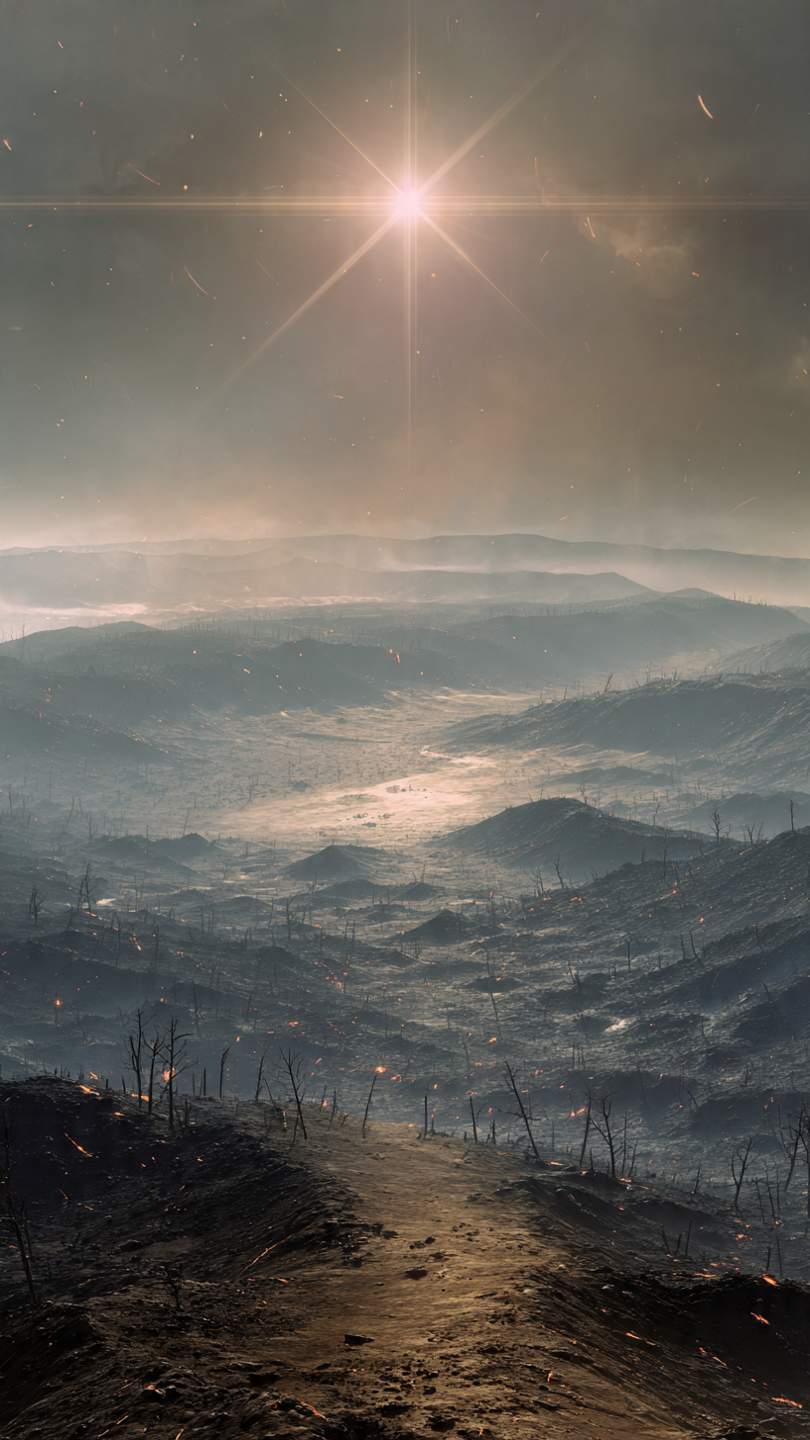
 01.jpeg)
 (Dr. Aïsha Élodie Valette Amrani) 01.jpeg)
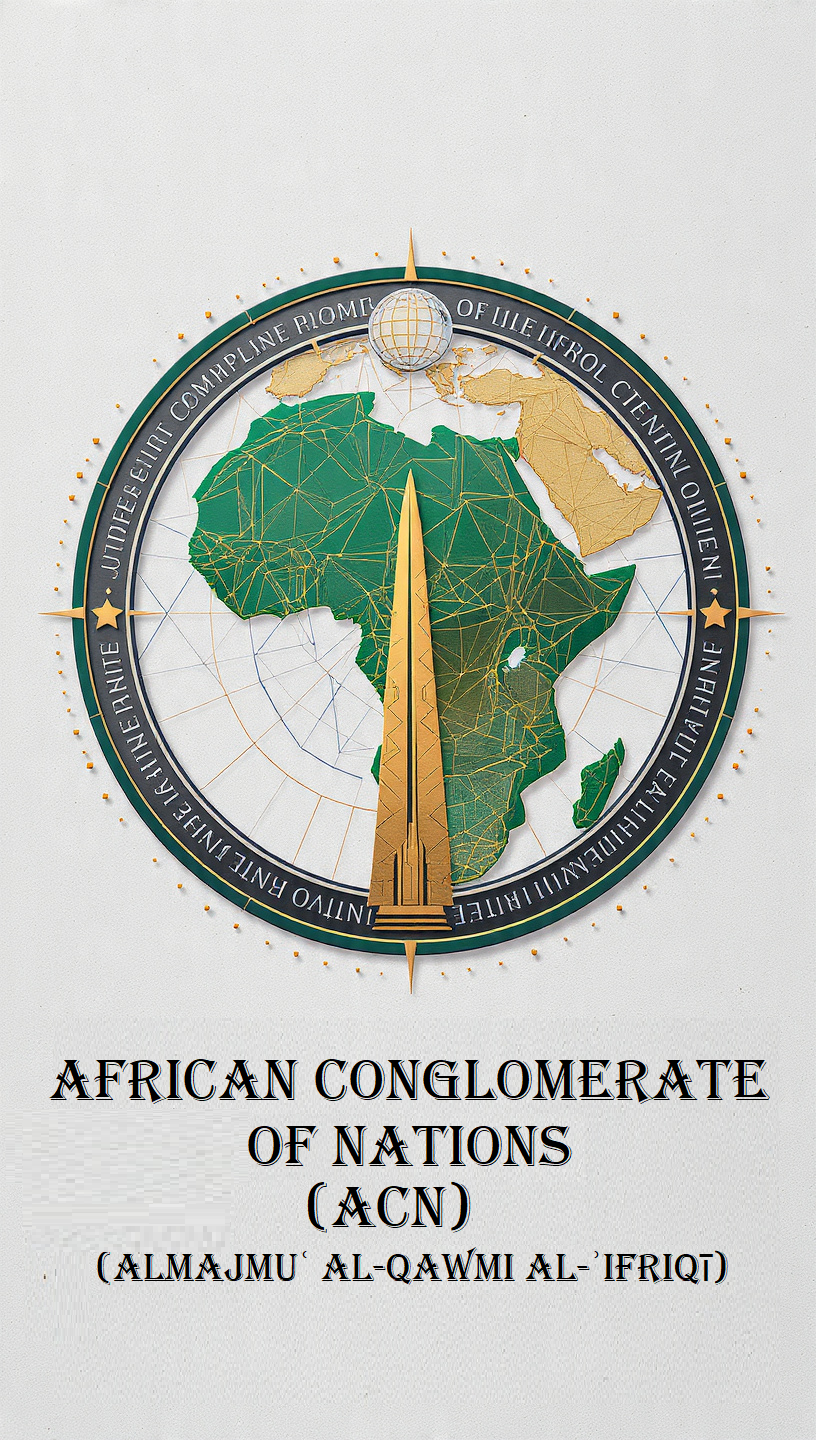
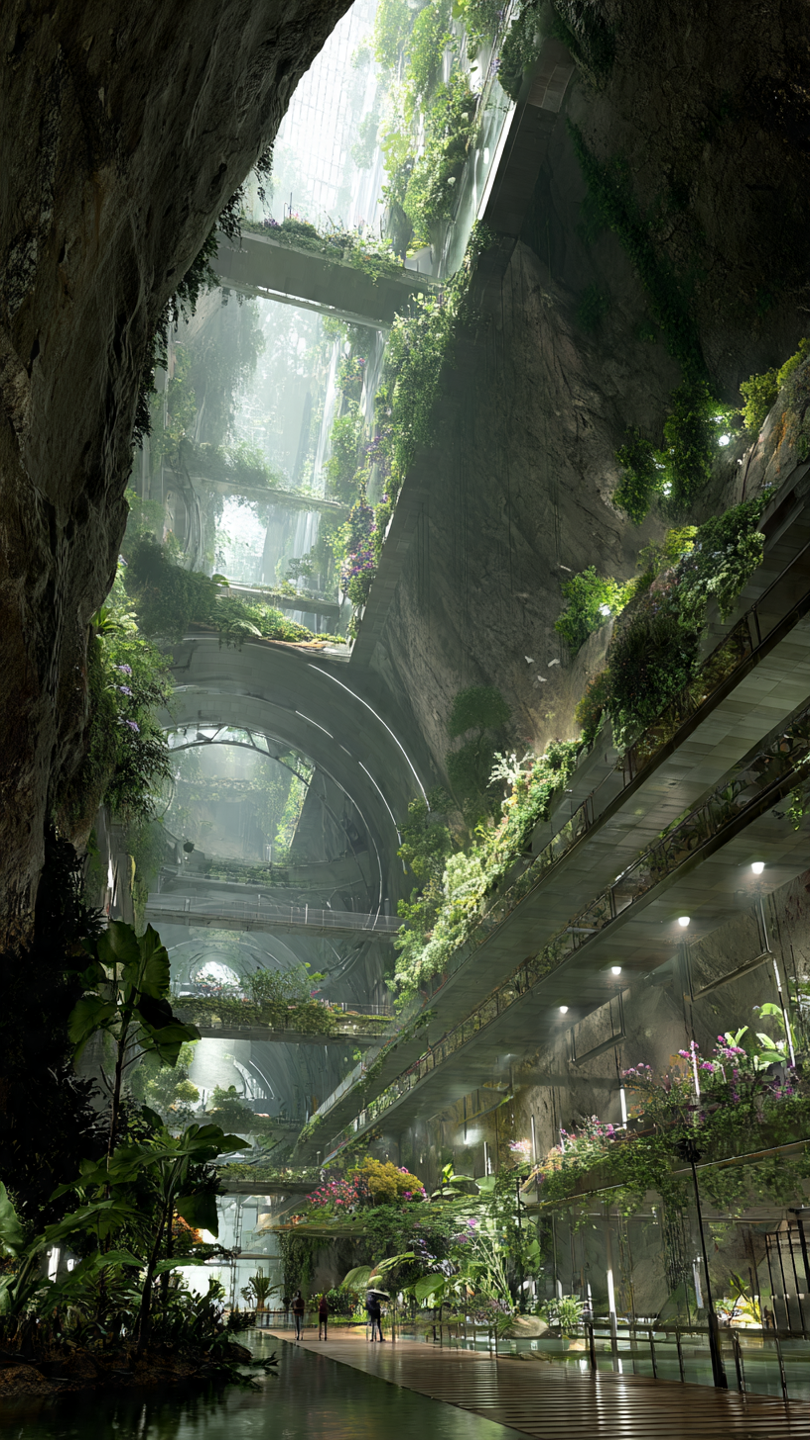

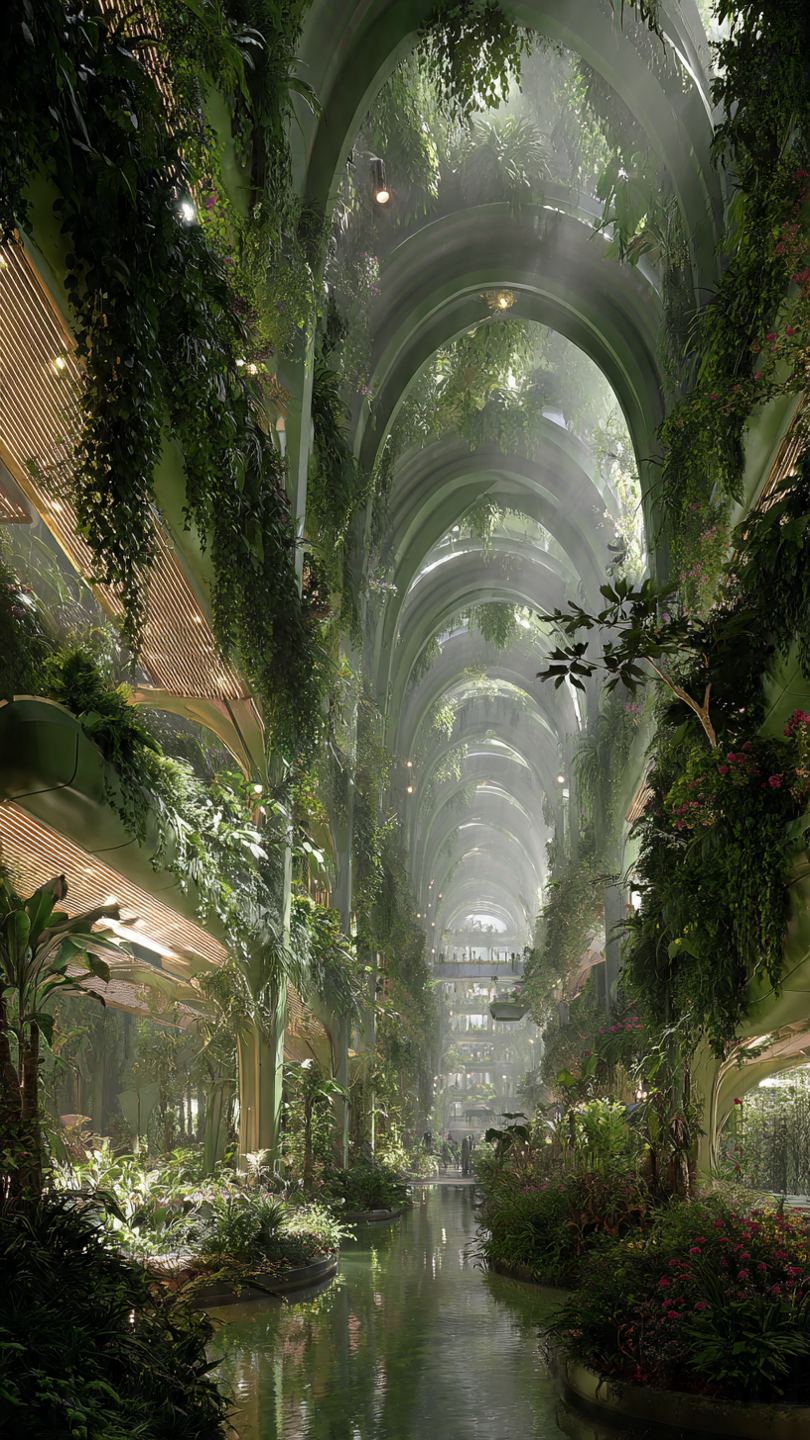
 01.jpeg)
 01.jpeg)
 01.jpeg)
 01.jpeg)
 01.jpeg)
 01.jpeg)
 01.jpeg)
 01.jpeg)
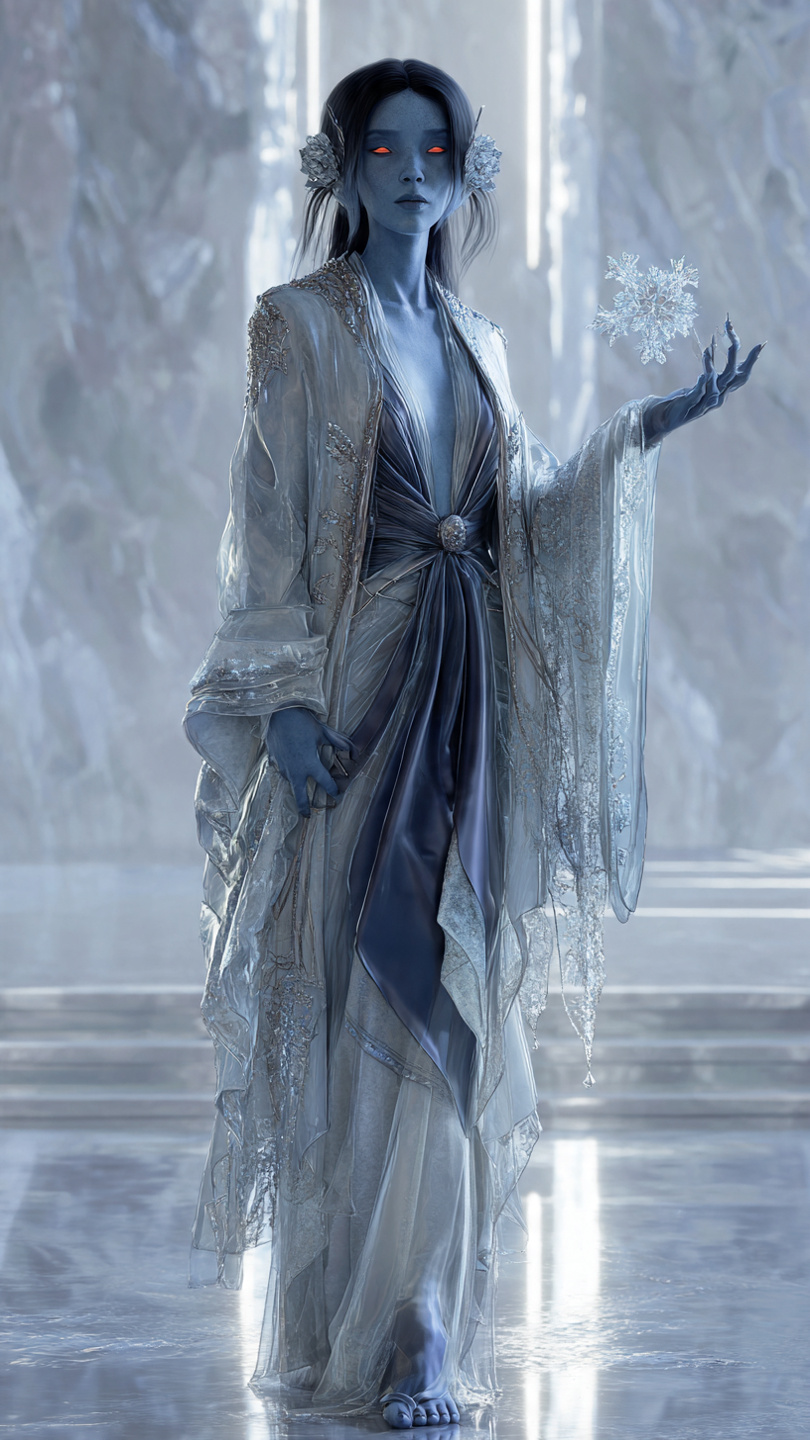
 01.jpeg)
) 01.jpeg)
) 01.jpeg)
 01.jpeg)
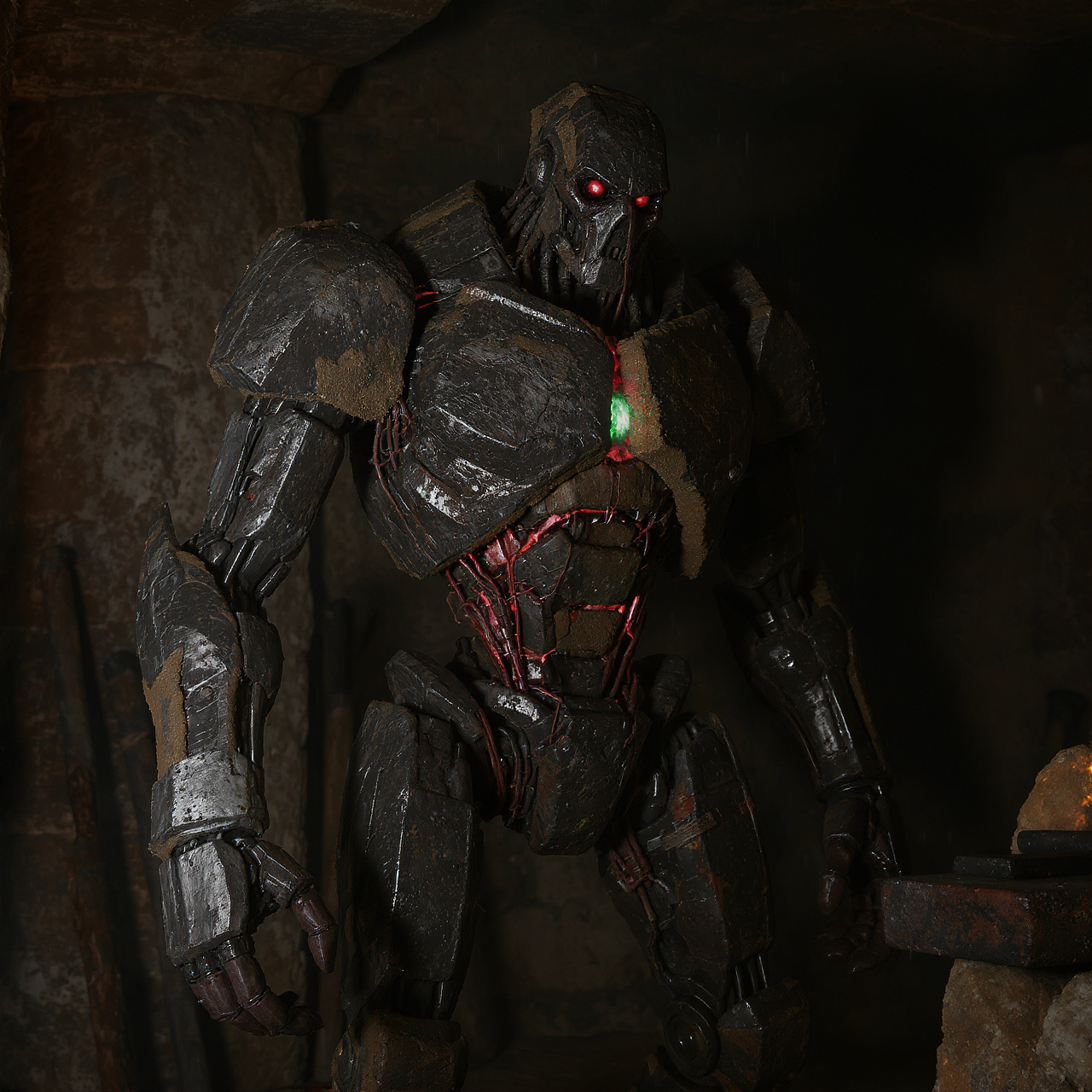
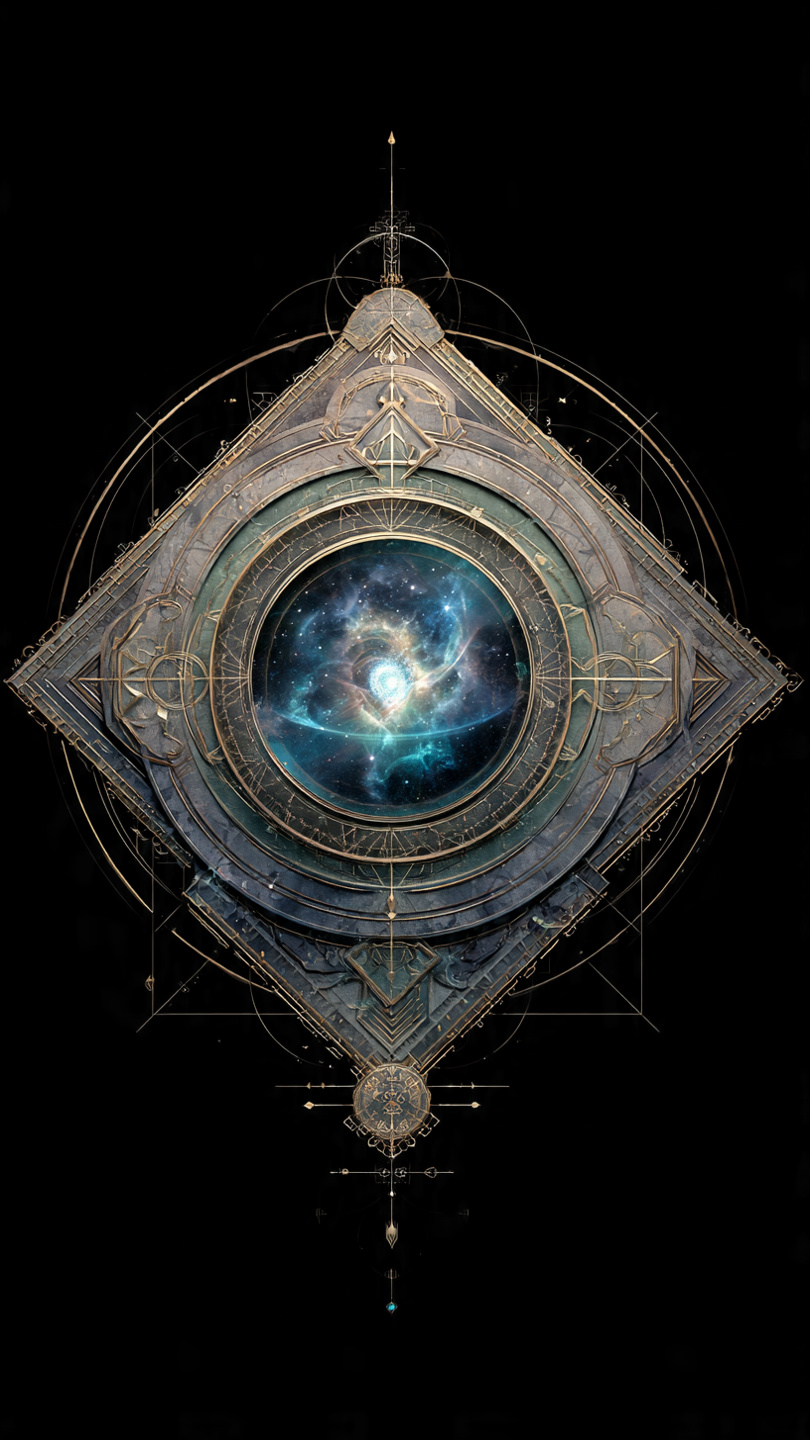
 - Division - Anomaly Response & Field Investigation 01.jpeg)
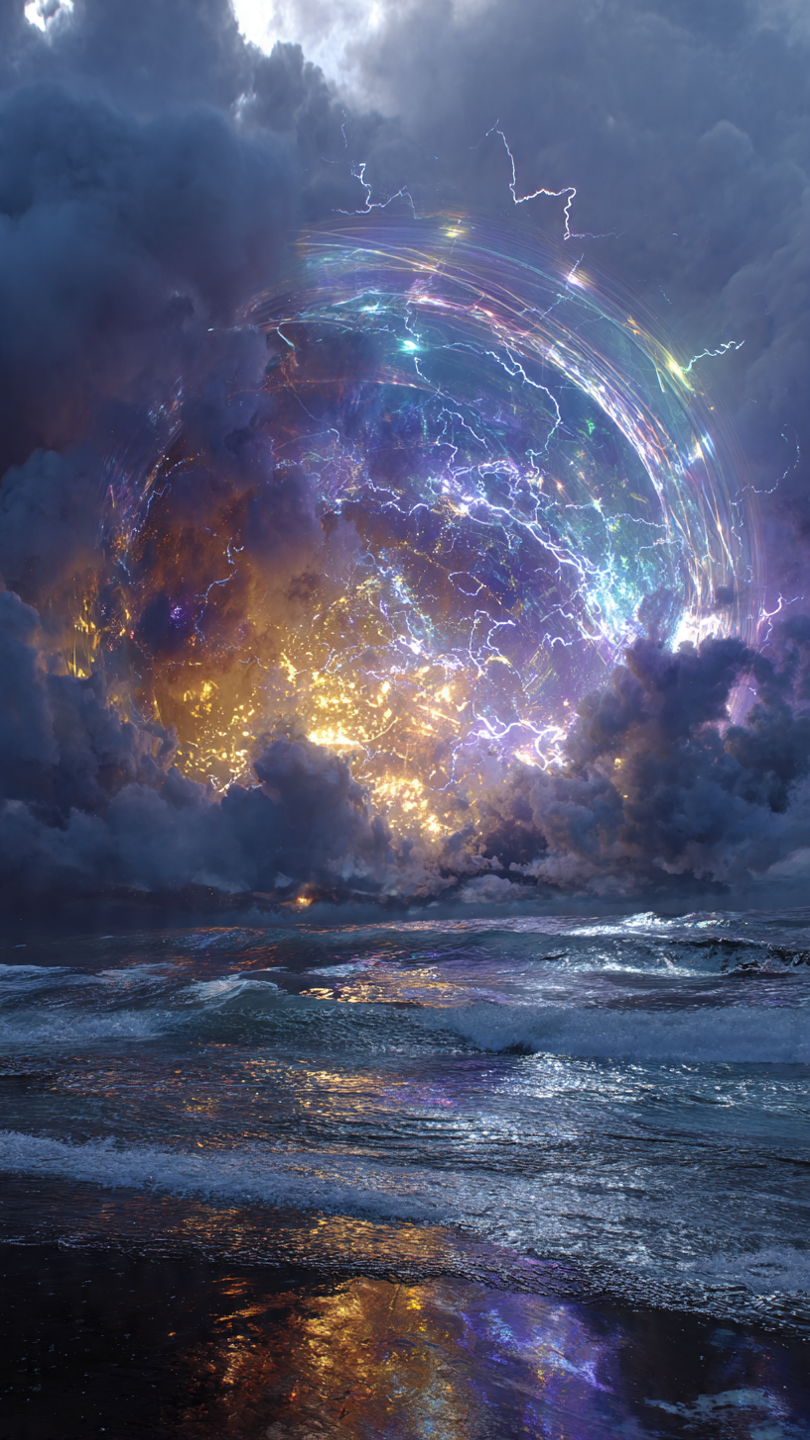
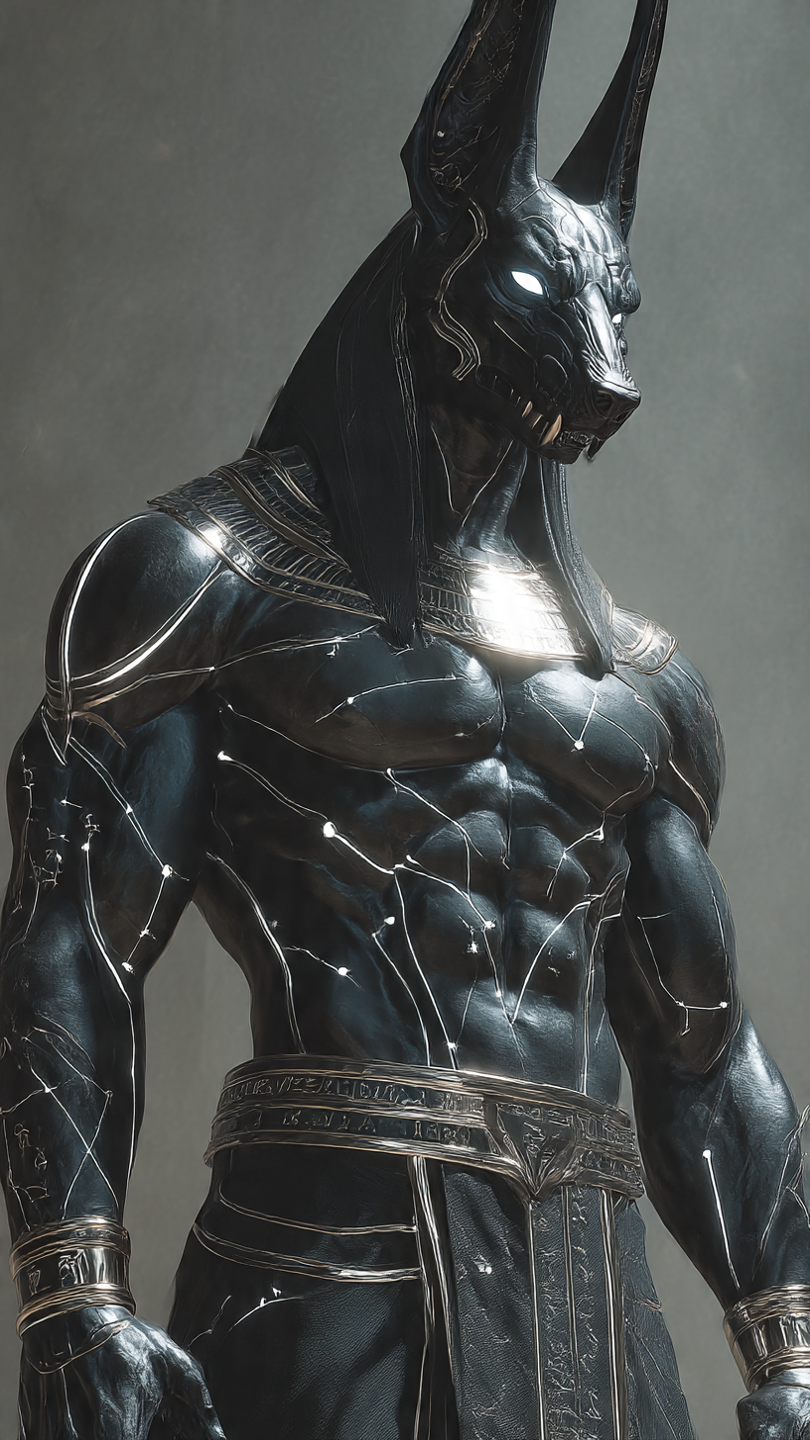
 01.jpeg)
 01.jpg)
 01.jpeg)
 01.jpeg)
 01.jpeg)
 01.jpeg)
 01.jpeg)
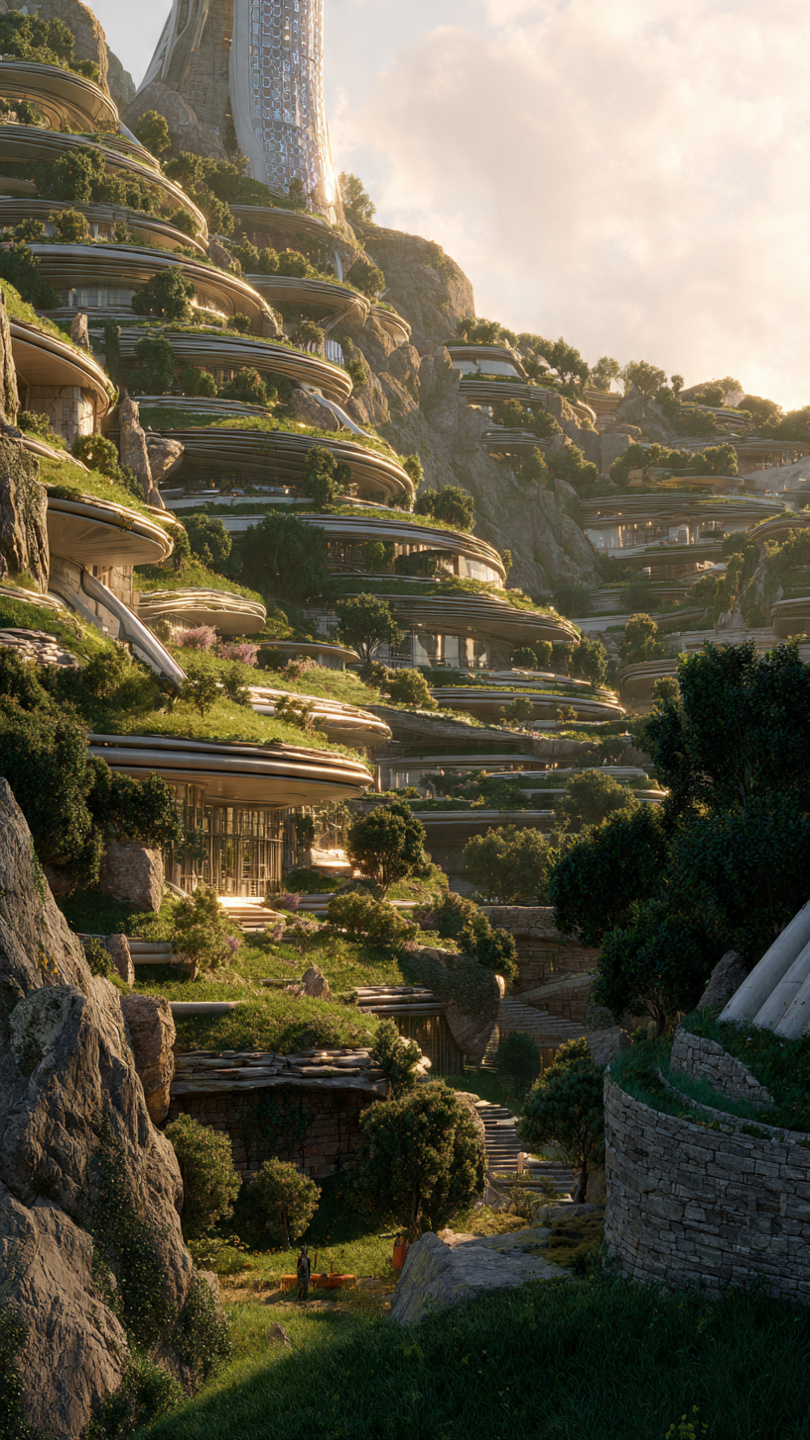
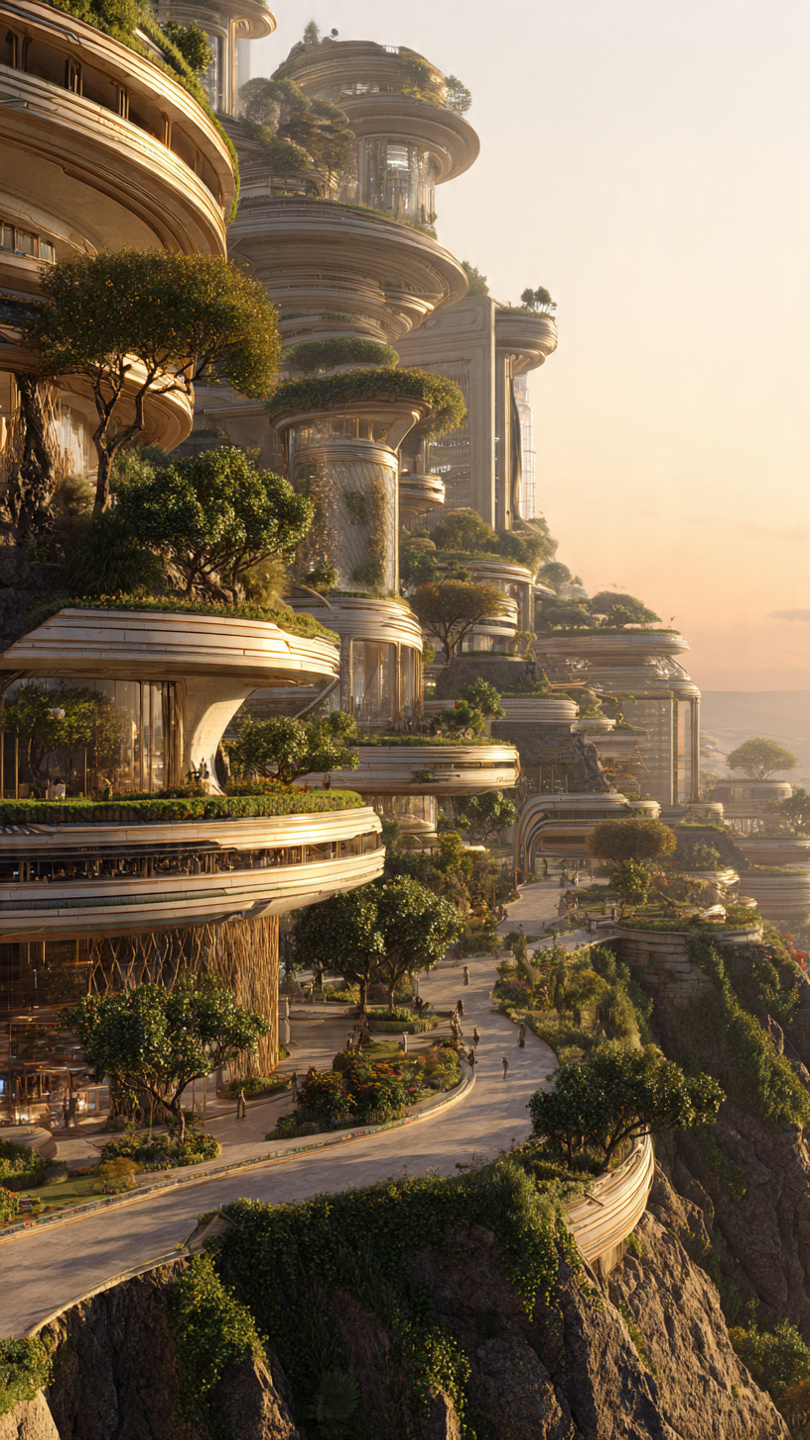
 01.jpeg)
 01.jpeg)
 01.jpeg)
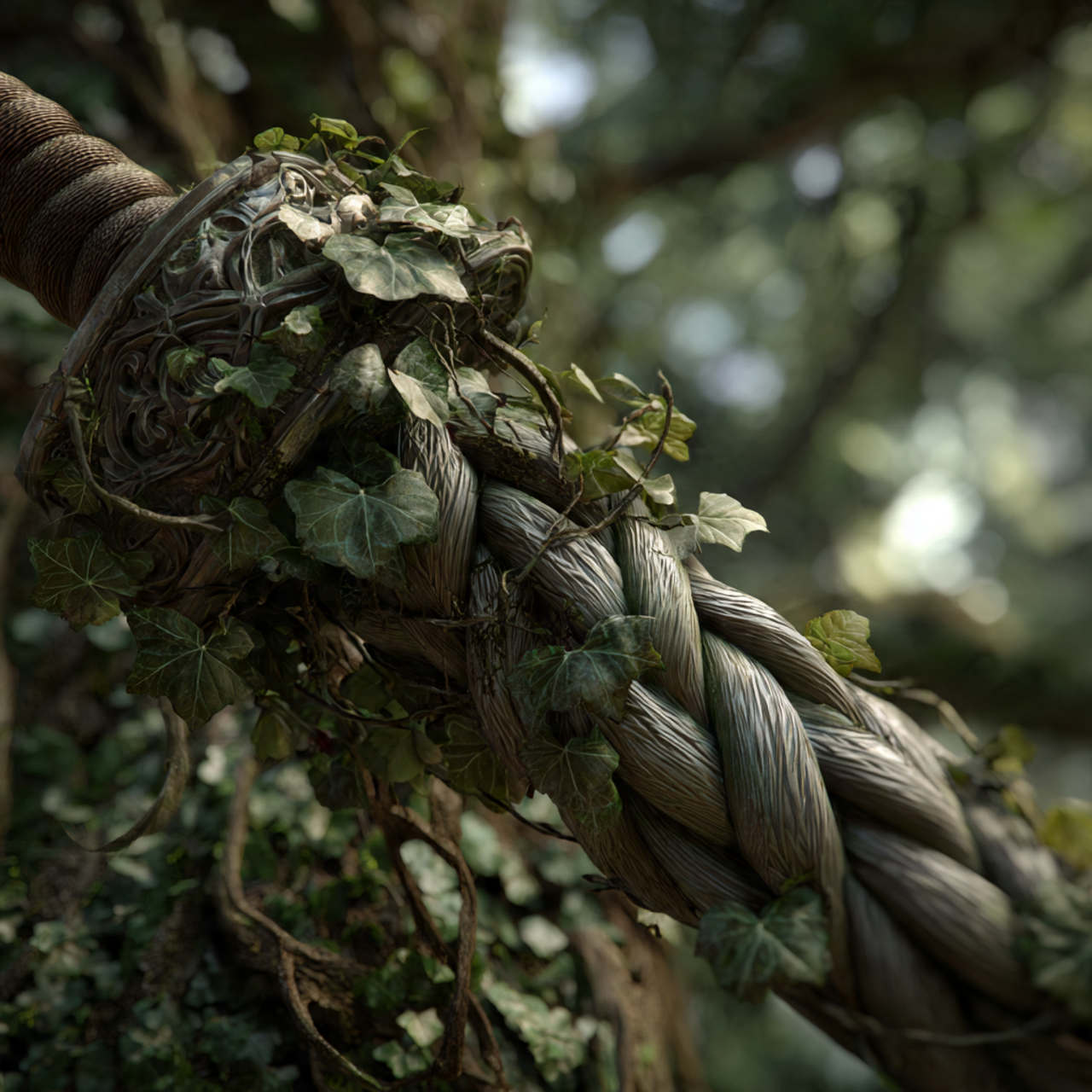
 01.jpeg)
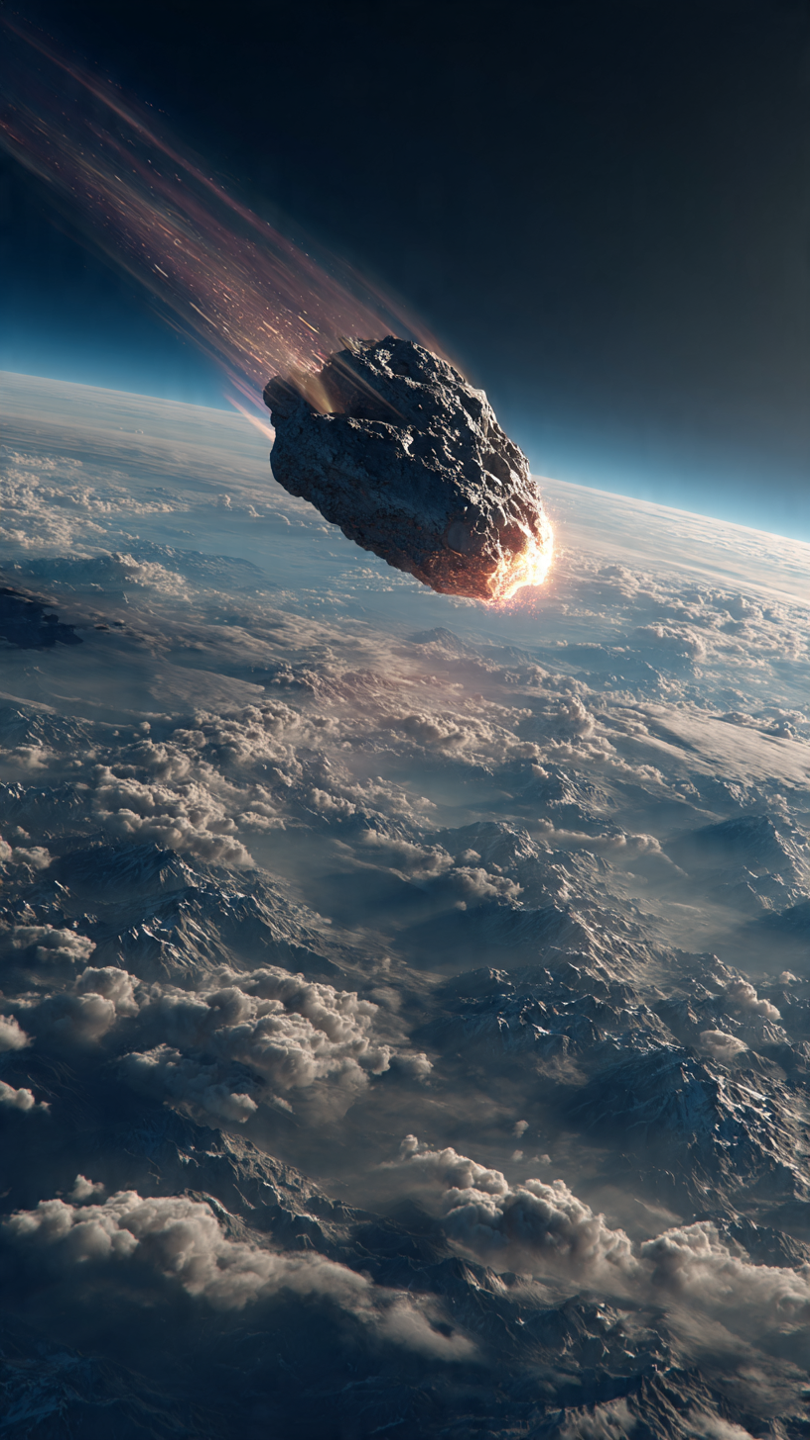
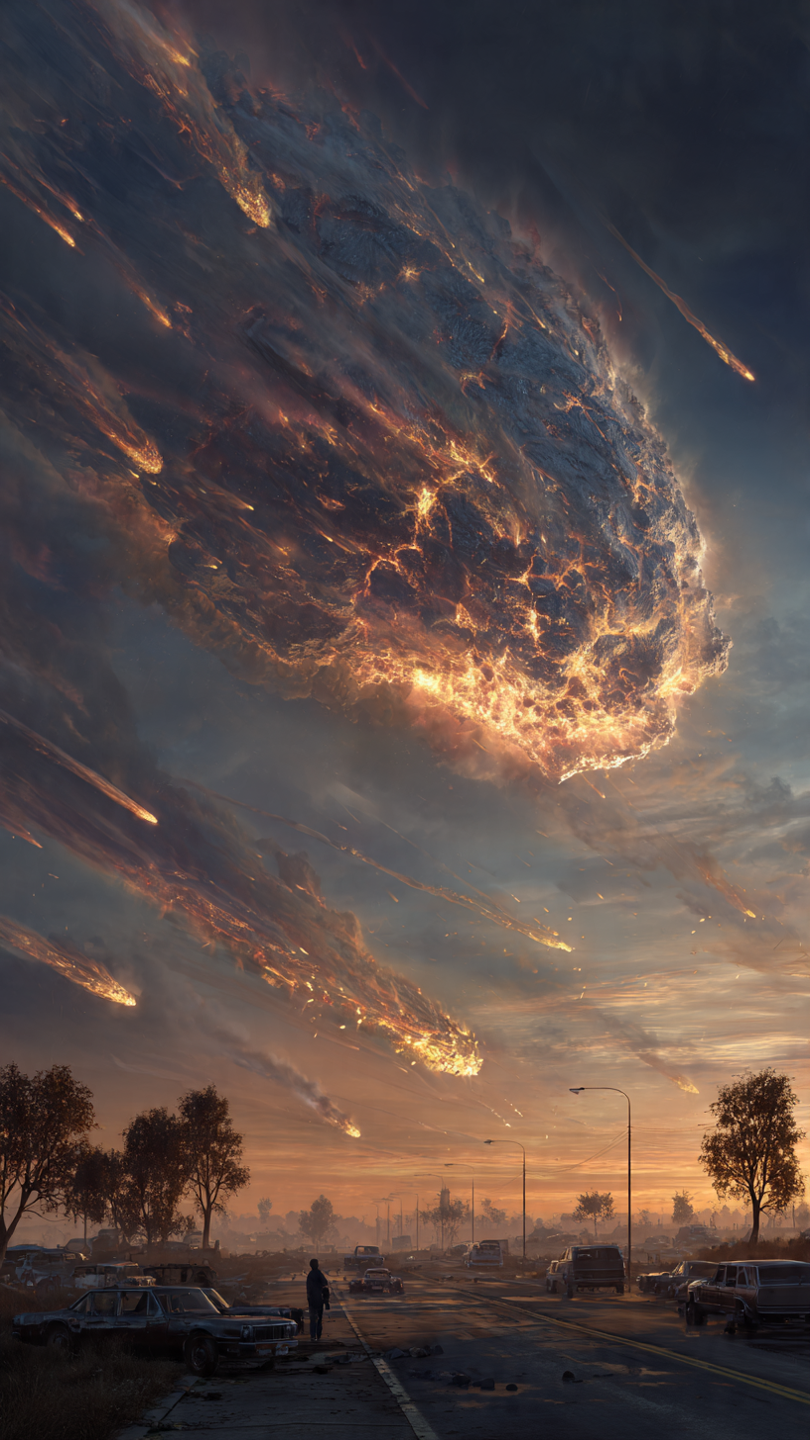
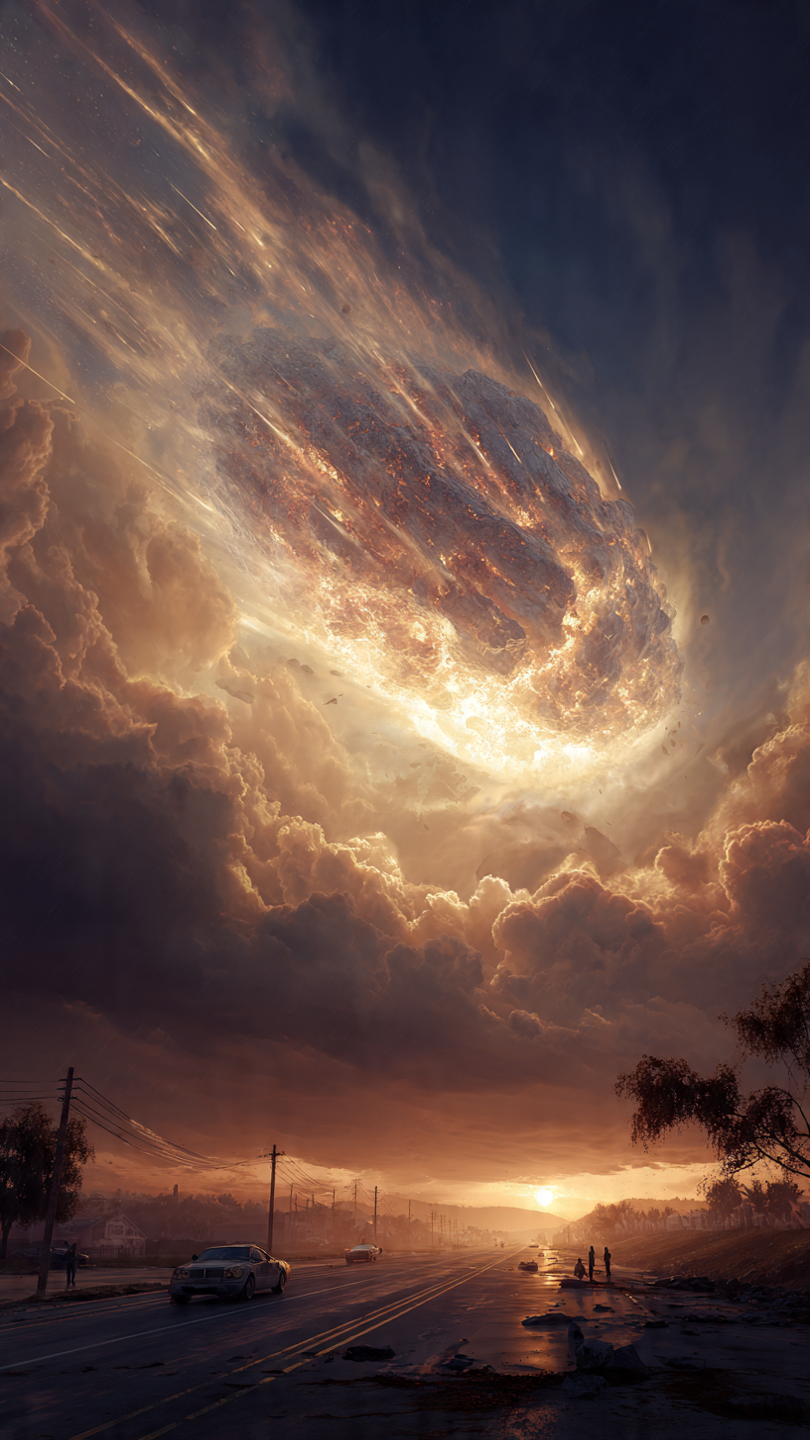
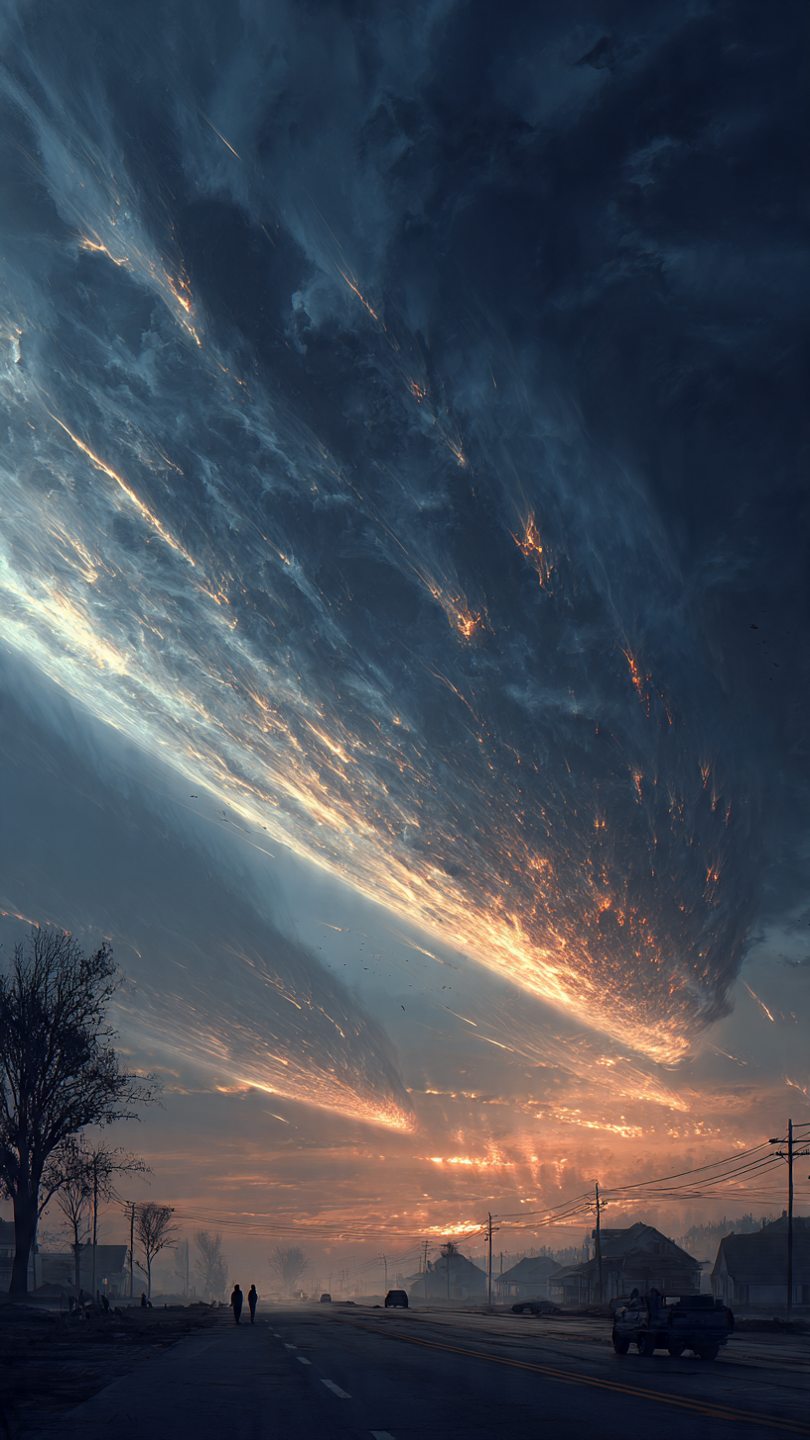
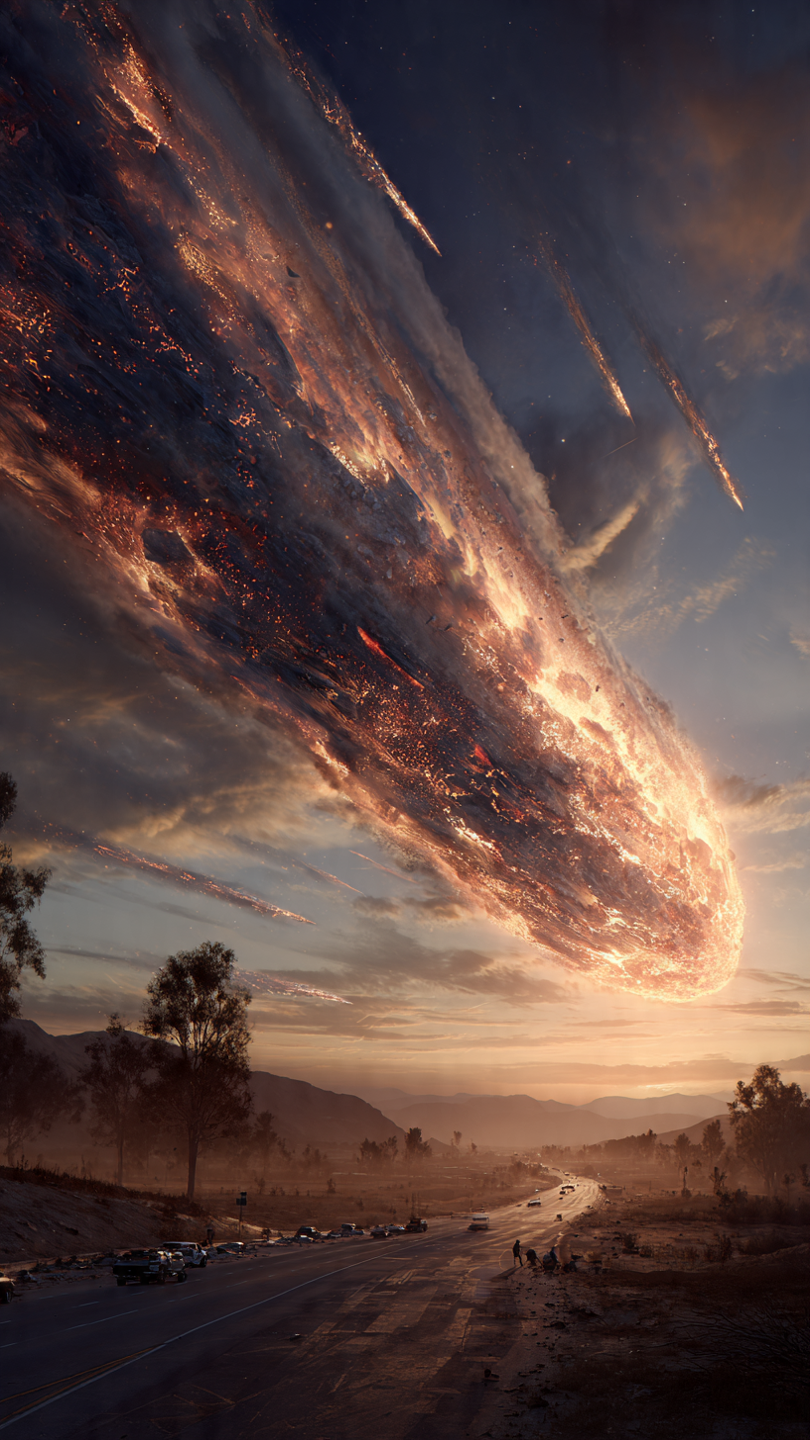
 01.jpeg)
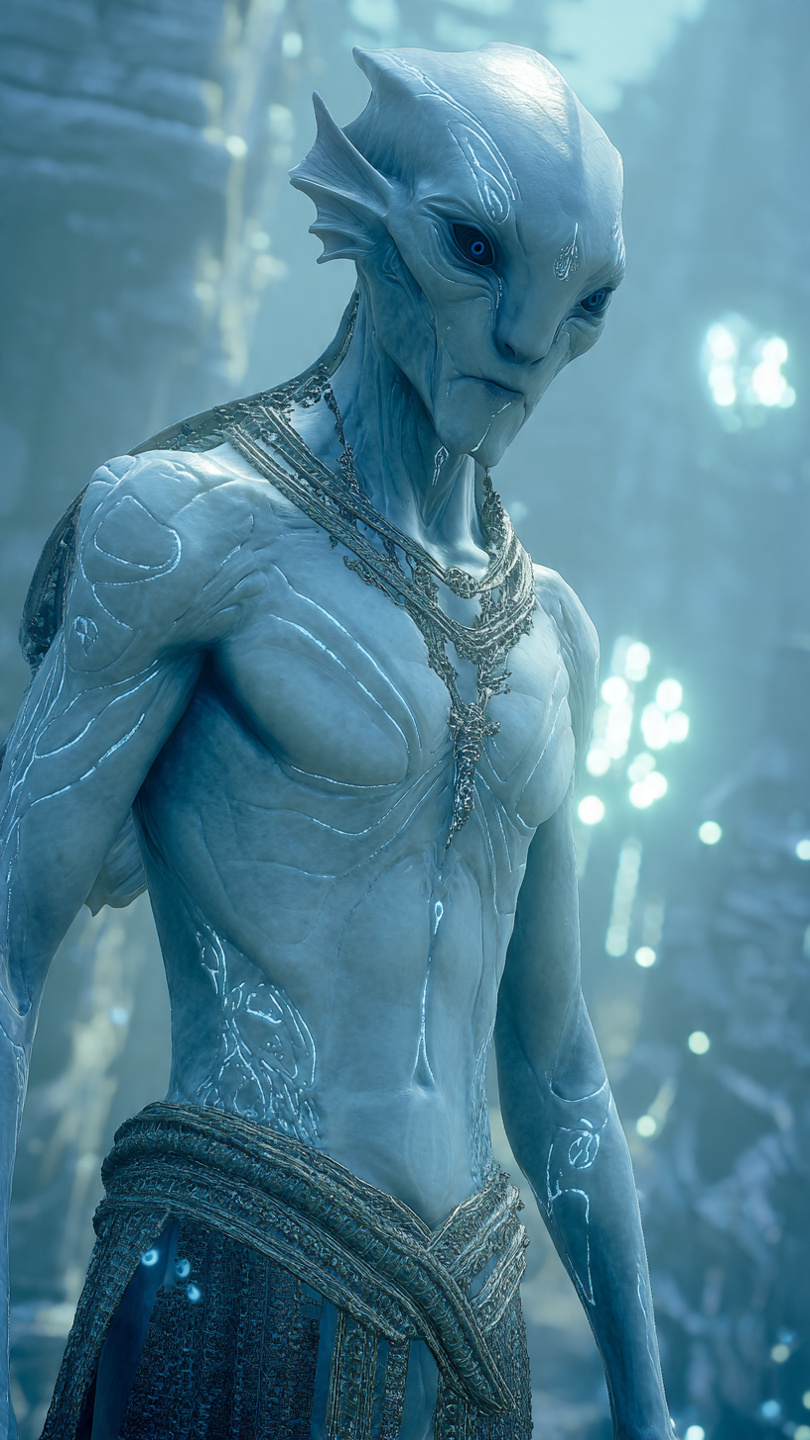
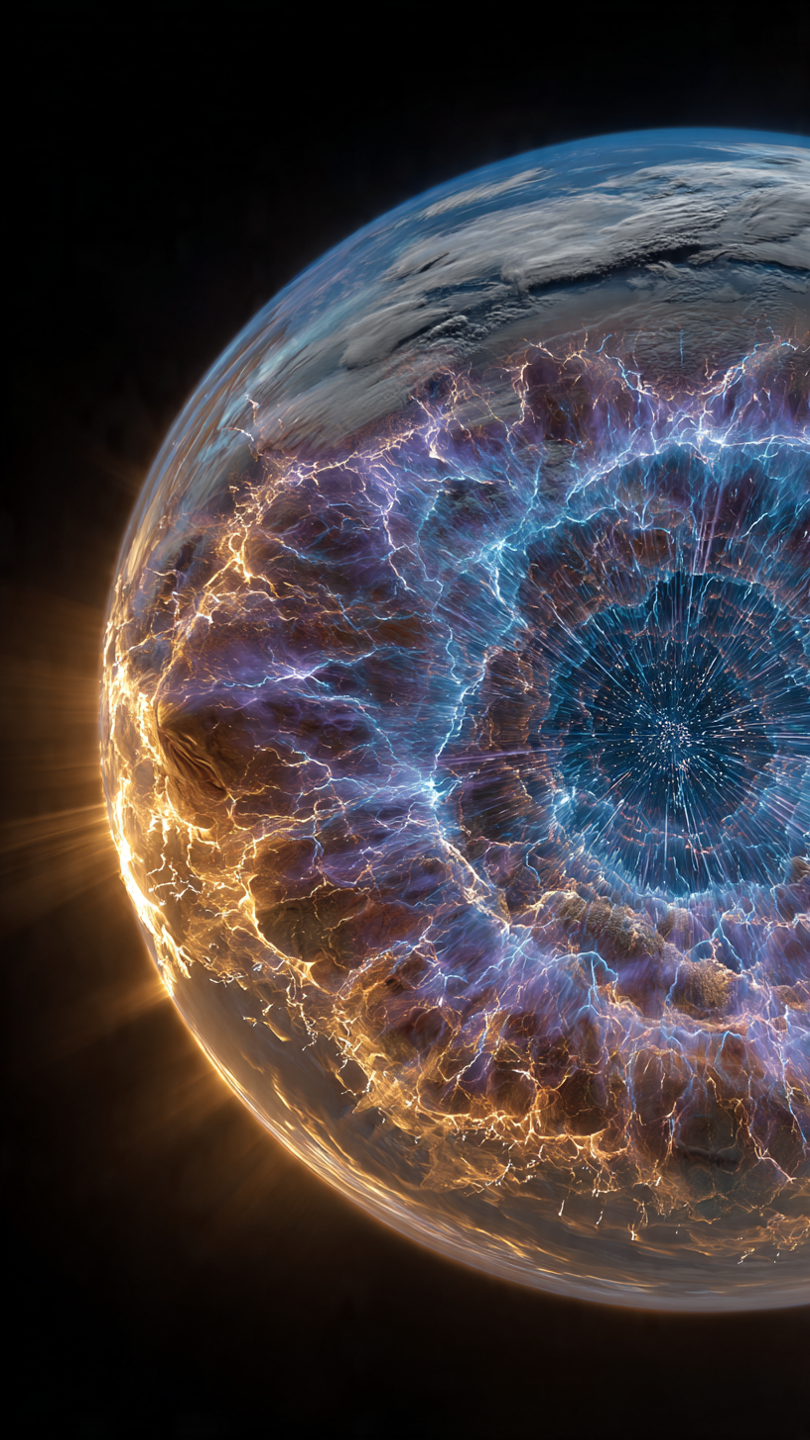
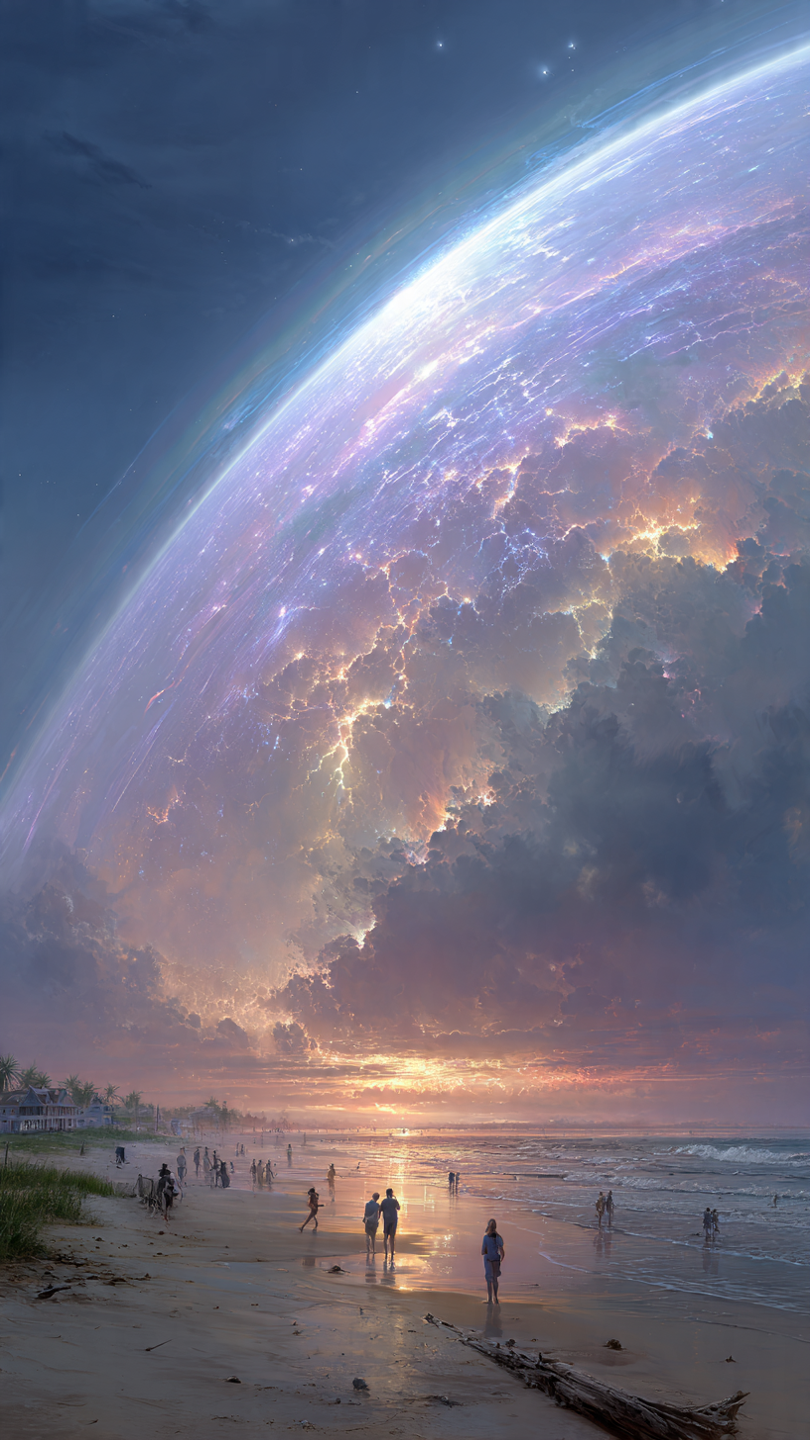
 01.jpeg)
 01.jpeg)
 01.jpeg)
 01.jpeg)
 01.jpeg)
 01.jpeg)
 01.jpeg)
 - Uniformity 01.jpeg)
 - Elbarani 01.jpeg)
 01.jpeg)
 01.jpeg)
 01.jpeg)