A full Glossary of characters, locations, events and more; in alphabetical order.
|
|
|
|
|
|
|
|
|
|
|
|
|
|
|
|
|
|
|
|
|
|
|
|
|
|
|
|
|
|
|
|
|
|
|
|
|
|
|
|
|
|
|
|
|
|
|
|
|
|
|
|
|
|
|
|
|
|
|
|
|
|
|
|
|
|
|
|
|
|
|
|
|
|
|
|
|
|
|
|
|
|
|
|
|
|
|
|
|
|
|
|
|
|
|
|
|
|
|
Backdraft
Russell Macklin - a pyrokinetic meta-mutant terrorist and former firefighter active in the post-Reset world of Eden. Born Russell Macklin in Phoenix within the Alĭ ṣonak Protectorate of the United Lands of Wakaskató, he originally served as a municipal firefighter before a catastrophic failed rescue in 2036 led to multiple child fatalities and the collapse of his career. Institutionalized shortly before the global catastrophe known as the Great Reset in 6183, Macklin escaped during the ensuing chaos. Exposure to the Atomic Particle Wave awakened latent Solarian meta-mutant abilities, granting him the capacity to control and reshape existing fire. Over the following decades he adopted the alias “Backdraft,” transforming from a rescuer into a roaming arsonist-for-hire and ideological saboteur.
Backdraft’s abilities center on the manipulation of existing flames rather than their creation. He can intensify, redirect, or shape fire into semi-solid constructs of superheated plasma, using his knowledge of combustion and structural fire behavior to devastating effect. His body shows partial thermal resistance from years of exposure, though he remains vulnerable to uncontrolled fire and suffers chronic respiratory damage from smoke inhalation. Physically heavyset and scarred by burns, he is often recognized by the persistent smell of smoke and the remnants of a modified firefighter’s turnout coat.
Ideologically, Backdraft espouses a nihilistic philosophy he calls “pyrolatry,” regarding flame as a divine force that reveals truth through destruction. Viewing the rebuilt civilizations of the post-Reset era as artificial and undeserving of survival, he targets infrastructure and reconstruction efforts across the Pacific and beyond. Hunted internationally as a Class-B Meta Offender, Backdraft has become both a symbol of destructive fanaticism and a grim reminder that even those once sworn to extinguish fires may ultimately choose to become one.
Baira (Floating Farms)
Gônoprojatontri Vanga - An advanced floating agricultural ecosystems descended from the traditional baira farms once used throughout the river deltas of historic Bangladesh. For centuries, these farms consisted of buoyant rafts woven from water hyacinth, bamboo, and organic compost, allowing farmers to cultivate crops in flood-prone wetlands. This ancient system was effectively destroyed during the Great Reset of 6183, when asteroid-triggered tsunamis and tectonic upheavals shattered the Bay of Bengal basin and collapsed the delta’s fragile ecology. Aquatic vegetation died off during the subsequent period of solar dimming known as the Long Winter, forcing surviving communities inland and ending the centuries-old floating farming tradition.
The cultural knowledge of the baira was preserved by displaced farmers who formed the Guild of the Floating Roots, a preservationist order dedicated to safeguarding the techniques and ecological philosophy of the lost delta culture. When environmental conditions stabilized in the 2040s, these traditions were revived through experimental Neo-Baira platforms constructed from hybrid materials including graphene-reinforced bamboo, mycelium composites, and bioplastic membranes. Supported by Wakaskató eco-engineering and Tesla Coil Collector energy networks, these early prototypes evolved into modular floating bio-platforms capable of filtering water, regulating salinity, and sustaining continuous crop growth.
By 6203, the reborn systems—known locally as Joljanma (“Waterborn”)—form vast lotus-patterned archipelagos across the renewed delta. Each platform operates as a semi-autonomous ecological unit with neural root lattices that monitor nutrient flow, temperature, and environmental stress, allowing the floating farms to function collectively as a living aquatic biome. Revered simultaneously as agricultural infrastructure, ecological sanctuary, and cultural monument, the Baira of Gônoprojatontri Vanga symbolize humanity’s post-Reset reconciliation with flood-driven landscapes, transforming a once-destructive force of nature into the foundation of a regenerative maritime civilization.
Ban-Druí
Maeve Riordan-Kan - Homo Magi and diplomat of the Republic of Tejas, specializing in thaumaturgic negotiation. Known for her unparalleled ability to “read” emotional frequencies in political dialogue, often bending opponents’ intent to her advantage. Considered both asset and threat by international councils.
Bastaphra
D'Asha Mbabazi - Young queen and protector of Gaarreen Ji'aa, recipient of the leopard Blessing from Bastaphrꜵ. Known for her golden eyes and uncanny rapport with animals, she commands both authority and affection in the Rwenzori highlands. D'Asha is trained in archery, martial arts and statecraft; her Æthbarynite suit grants her near-impervious defensive capabilities. Publicly visible, politically savvy, and privately driven by duty, she embodies a new generation of monarchs who merge tradition with adaptive governance.
Bastaphrꜵ
Waghoba (Marathi: वाघोबा) — a Cthulnead leopard deity residing primarily within the Astral Plane and venerated by the people of the Kingdom of Gaarreen Ji'aa as their divine guardian and legitimizing spirit of rulership. Regarded as Iteration-316120's manifestation of the ancient Gaṇarājian tiger-leopard deity Waghoba, Bastaphrꜵ embodies a dual spiritual nature that encompasses both male and female aspects. When a new protector or ruler of the Kingdom of Gaarreen Ji'aa is chosen, the deity confers a sacred Blessing by infusing the individual with the corresponding aspect of its being: a male recipient receives the male manifestation, known as Bastaphro, symbolized by a black leopard with spots, while a female recipient receives the female manifestation, Bastaphra, represented as a yellow leopard with spots. Through this ritual transmission the ruler becomes both political leader and living vessel of divine authority, linking the kingdom to its ancestral guardian across the boundary between the material world and the Astral Plane.
The Bastion
The Bastion
Overview
The Bastion is the last surviving Khraoleri sanctuary, a self-contained abyssal citadel concealed within the vertical walls of the Mariana Trench approximately 10,900 meters (35,800 feet) beneath the Pacific Ocean. Designed as both a refuge and a cultural archive, it preserves the biological, historical, technological, and philosophical legacy of an extinct civilization while remaining completely hidden from humanity.
Unlike conventional underwater cities constructed upon the ocean floor, the Bastion is fused directly into a naturally formed tectonic cavern. Its architecture appears less like a constructed fortress and more like an enormous crystalline banyan tree whose roots, trunk, and branches have grown into the surrounding rock. Every structural element serves multiple purposes, combining architecture, energy distribution, environmental regulation, transportation, and defense into a unified living system.
Although capable of formidable defensive action, the Bastion was never intended as a military installation. It functions primarily as a self-sustaining ark whose purpose is the preservation of civilization rather than conquest, embodying the Khraoleri belief that memory is a species' greatest inheritance.
Core Identity
At its heart, the Bastion is simultaneously a city, fortress, archive, sanctuary, and biosphere.
It houses living quarters, educational centers, research facilities, ceremonial halls, agricultural districts, environmental systems, power generation infrastructure, and the Memory Vault, which safeguards the complete cultural inheritance of the Khraoleri civilization.
Rather than serving a political government or military command, the Bastion exists to ensure continuity across generations—even if those generations never arrive. Every system supports long-term survival, cultural preservation, and ecological balance, allowing the structure to remain operational indefinitely without outside assistance.
The Bastion therefore represents not merely advanced engineering but the physical embodiment of Khraoleri civilization itself.
Design Philosophy
Khraoleri engineering rejects rigid geometric construction in favor of biomimicry, redundancy, and environmental harmony.
The Bastion was designed to appear as though it had grown naturally from the trench wall instead of being assembled from separate components. Massive crystal roots anchor the structure within the surrounding rock while branching towers and terraces extend organically throughout the cavern.
Every architectural decision follows four guiding principles:
Preservation before expansion.
Redundancy before efficiency.
Integration before domination.
Sustainability before consumption.
Accordingly, nearly every structural element fulfills multiple roles simultaneously. Walls function as support structures, energy conduits, data pathways, and environmental regulators. Gardens produce food, recycle air, and preserve biodiversity. Decorative crystal formations often conceal communication systems or structural reinforcement.
Rather than imposing technology upon nature, Khraoleri engineering works with existing geological systems, allowing the Bastion to become an extension of Earth's own processes.
Structural Configuration
The Bastion occupies a naturally formed cavern carved into the Mariana Trench wall over millions of years through tectonic movement.
Instead of filling the chamber, the fortress conforms precisely to its contours, creating the impression that the surrounding rock and crystalline architecture developed together.
Its major structural components include:
Root Network extending into surrounding bedrock.
Central Trunk containing primary infrastructure.
Branch Spires housing residential, agricultural, and research districts.
Observation Terraces overlooking the abyss.
Great Hall serving as the civic and ceremonial center.
Control Spire coordinating operational systems.
Memory Vault positioned near the protected core.
Vertical organization replaces horizontal expansion. Hundreds of meters separate different districts, connected primarily through anti-gravity transit shafts rather than conventional stairways.
This arrangement minimizes structural stress while maximizing usable interior volume.
Material Engineering
The Bastion is constructed from a living crystalline composite reinforced with flowing metallic veins.
Unlike inert building materials, the crystal possesses adaptive properties allowing limited self-repair when damaged. Fractures become isolated before new crystalline growth gradually restores structural integrity.
Metallic filaments woven throughout the crystal serve as:
electrical conductors,
thermal regulators,
quantum data channels,
structural reinforcement,
and power distribution networks.
The translucent crystal continuously refracts internal illumination, creating a naturally lit environment despite complete external darkness.
Certain interior partitions possess variable opacity, allowing privacy without sacrificing energy efficiency or architectural openness.
Integrated Systems
The Bastion functions through numerous interconnected systems operating as one unified organism.
Power Generation
Crystal roots penetrate magma reservoirs beneath the trench, forming Magma Induction Wells that harvest geothermal heat, magnetic flux, and tectonic energy without significantly disturbing surrounding geology.
This provides effectively limitless renewable power.
Environmental Control
Life-support systems maintain breathable atmospheric conditions using recycled oxygen and nitrogen while regulating humidity, pressure, and temperature.
Heat extracted from geothermal systems keeps the interior comfortable despite near-freezing external waters.
Transportation
Primary movement occurs through gravity manipulation shafts.
Entering one neutralizes gravity, allowing occupants to float between levels.
Emergency ladder systems and manual climbing routes provide redundancy should power become unavailable.
Agriculture
Hydroponic terraces cultivate modified abyssal flora including edible kelp, mineral-assimilating corals, oxygen-producing vegetation, and medicinal plants.
Artificial plasma grow lights recreate natural daylight cycles while hydrothermal water supplies nutrients through biological filtration.
Artificial Intelligence
The Curator serves as the Bastion's central operating system.
Unlike sentient artificial intelligences, it possesses no personality, ambition, or creativity.
Its responsibilities include:
maintenance,
environmental regulation,
structural monitoring,
archive preservation,
defense coordination,
systems diagnostics.
The Curator cannot override its primary directive of preservation.
Defensive Infrastructure
The Bastion favors concealment over combat.
Primary defensive measures include:
acoustic cloaking,
sonar masking,
microfield stun emitters,
induced buoyancy extraction,
localized memory suppression.
Only direct threats to the Bastion activate plasma batteries and gravity disruptor systems concealed within the upper crystalline branches.
Environmental and Cultural Context
The Mariana Trench provides exceptional natural protection through its immense pressure, darkness, isolation, and geological stability.
Rather than resisting these conditions, the Bastion incorporates them into its design.
Inside, architecture emphasizes openness, flowing organic forms, and quiet contemplation.
Crystal murals depict Khraoleri mythology, legendary explorers, founders, cosmic beings, and ancestral history.
The Great Hall functions as both ceremonial chamber and civic forum, while mineral fountains circulate oxygenated water through communal spaces.
Agricultural Spires occupy an especially important cultural role.
Interpretations differ regarding their purpose:
recreations of a forgotten homeworld,
preservation of endangered life following the Long Winter,
botanical archives collected across multiple worlds.
Regardless of interpretation, they symbolize hope through cultivation rather than conquest.
Operational Role
The Bastion continuously performs five primary operational functions:
preserving Khraoleri civilization,
maintaining environmental stability,
safeguarding biological archives,
protecting cultural knowledge,
remaining undetected.
It was never intended to launch invasions, govern empires, or expand territory.
Instead, every operational cycle supports one overriding objective:
Ensure that Khraoleri civilization can survive extinction.
Performance Outcome
The Bastion achieves complete long-term autonomy.
Its geothermal energy systems eliminate dependence upon external fuel.
Self-healing materials reduce maintenance requirements.
Closed ecological cycles recycle air, water, nutrients, and biological waste.
Redundant transportation and life-support systems maximize survivability during catastrophic failure.
The structure is capable of remaining operational for geological timescales with minimal intervention.
Its greatest achievement is not technological sophistication alone but the successful integration of engineering, ecology, culture, and preservation into a single enduring system.
Strategic Significance
Although hidden from humanity, the Bastion represents one of the greatest surviving achievements of Khraoleri civilization.
Strategically, it serves as:
the final repository of Khraoleri history,
an ark preserving biological diversity,
a secure technological archive,
a refuge against planetary catastrophe,
a symbol of cultural continuity.
Its existence demonstrates that the Khraoleri viewed knowledge—not military dominance—as the ultimate source of civilization's strength.
Final Operational Distinction
The Bastion is unique because every aspect of its design serves multiple complementary purposes.
Its architecture generates power.
Its power systems regulate climate.
Its gardens sustain both ecology and culture.
Its defensive systems preserve secrecy without unnecessary violence.
Its artificial intelligence maintains civilization without ruling it.
Rather than functioning as a fortress that happens to contain a city, the Bastion is a living preservation system whose defenses exist solely to protect memory itself.
No other known Khraoleri structure integrates environmental engineering, renewable energy, ecological sustainability, cultural preservation, and planetary concealment into a single self-sustaining sanctuary on such a monumental scale.
Summary
The Bastion is a hidden Khraoleri abyssal citadel embedded within the Mariana Trench, designed as a self-sustaining ark preserving the complete legacy of its civilization. Powered by geothermal energy extracted through Magma Induction Wells, constructed from self-healing crystalline composites, and governed by the non-sentient Curator AI, it integrates architecture, ecology, transportation, defense, and cultural preservation into a single living system. Concealed through acoustic camouflage and protected by non-lethal security measures, the Bastion stands as the enduring embodiment of Khraoleri philosophy: that civilizations survive not through conquest, but through the preservation of knowledge, memory, and life.
Glossary
The Bastion is a hidden Khraoleri citadel embedded within the vertical walls of the Mariana Trench approximately 10,900 meters beneath the Pacific Ocean. Constructed from a living crystalline-metallic composite, it serves as the last surviving sanctuary of the Khraoleri civilization, preserving their biological records, technological achievements, cultural history, and philosophical traditions within a completely self-sustaining environment.
Designed as both fortress and ark, the Bastion integrates geothermal power generation, atmospheric regulation, hydroponic agriculture, research facilities, residential districts, ceremonial spaces, and the Memory Vault into a single unified structure. Its architecture resembles an immense crystalline banyan tree whose roots extend deep into the surrounding bedrock to harvest thermal and magnetic energy from subterranean magma reservoirs. A non-sentient artificial intelligence known as the Curator oversees maintenance, environmental control, archive preservation, and defensive operations through fixed cause-and-effect logic.
Rather than relying upon overt military force, the Bastion emphasizes concealment and preservation. Acoustic cloaking systems render it nearly undetectable within the natural sounds of the deep ocean, while non-lethal defensive technologies incapacitate and safely remove intruders without lasting harm. Regarded as the greatest surviving achievement of Khraoleri engineering, the Bastion embodies a civilization that viewed knowledge, ecological stewardship, and cultural continuity as the highest expressions of technological advancement.
Battle Spear of Archangel Michael
Beacon
Mikael Harlan Vance - A mid-30s computational neuroscientist and neutral-aligned meta-mutant with a comprehensive ability to generate and manipulate energy fields. His unique Gift allows him to phase objects, reconstruct matter on a molecular level, and project force fields. Beacon operates largely within scientific and civil law arenas, acting as both researcher and occasional law consultant. He exhibits meticulous, almost bureaucratic behavior and is recognized for both analytical precision and moral consistency.
Behemoth
Oliver Mason Graydon - Australian meta-mutant celebrity and public "hero" born in 2014.
Fused to an extraterrestrial biotech symbiont during the Great Reset, Behemoth emerged as a towering figure symbolizing post-cataclysmic resilience.
His armor, a permanent living mesh-weave bonded to his body, enhances his strength and endurance but demands metabolic maintenance.
Known for his televised rescue missions and archaeological spectacles, he straddles the line between national icon and manufactured myth.
Critics describe him as "a monument to vanity wrapped in salvation rhetoric."
Berlin
Bundesrepublik Suevia-Sachsen Alemannisches Germanien - Berlin is the historic capital of Germany and one of Europe’s most enduring urban centers, known for its cultural, scientific, and political influence. By 6183, the city had become a leading example of Europe’s technological renaissance, where sleek glass towers and quantum-data infrastructure rose alongside preserved nineteenth-century architecture along the Spree River. Autonomous transit systems moved through districts such as Unter den Linden, while holographic signage and wireless energy grids illuminated a skyline defined by innovation and optimism. This momentum ended abruptly during the Great Reset of 6183, when the Atomic Particle Wave and global tectonic upheaval triggered infrastructure collapse, climate disruption, and economic paralysis across the continent. By 6193, large sections of Berlin stood abandoned or partially flooded, its smart-glass towers fractured, transit lines derailed, and vegetation reclaiming streets and riverbanks amid the silence of a city struggling to survive the aftermath.
By 6203, Berlin had undergone a measured but determined reconstruction shaped by new climatic realities and post-Reset technologies. With shifting polar geography altering European weather patterns, the city now experiences colder winters, heavier storms, and more variable precipitation, resembling a milder Scandinavian climate. Reconstruction efforts focused on resilience rather than spectacle: flood-meadow parks and smart sluice-gate systems manage the Spree’s rising waters, historic façades have been retrofitted with adaptive thermal-glass panels, and modern tower blocks integrate wind-turbine spires and decentralized energy systems. Snow-dusted streets, reflective ice along cobblestones, and carefully restored districts illustrate a city that preserved its heritage while evolving into a quieter, more climate-adapted northern metropolis, symbolizing Europe’s broader recovery after the Great Reset.
Bharat Ganarajya (Fashion)
Fashion of Bhārat Gaṇarājya refers to the post-Reset professional and ceremonial attire of India, blending traditional aesthetics with advanced material technologies. In 6183, the standard style combines Nehru jackets with Mandarin elements, worn over modernized dhoti or tapered churidars, emphasizing natural draping and minimalist tailoring. Materials are selected for both comfort and durability, including lotus silk and khadi composites reinforced with nanoweave fibers. Accessories carry symbolic and functional purposes: a golden chakra pin worn over the heart signifies spiritual and national continuity, while scent-coded armbands integrate aromatherapy with biometric feedback. The overall aesthetic reflects refined simplicity, cultural heritage, and subtle technological integration.
By 6203, this fashion evolves into a living, responsive form of dress. Biometric fabrics emit sacred fragrance pulses aligned with the wearer’s breathing rhythm, while draping behaves like flowing light, creating a meditative, almost ethereal presence. Jackets retain the Nehru-Mandarin silhouette, but the garments themselves now function as interactive instruments of wellness and personal expression. This evolution embodies spiritual futurism, merging traditional symbolism with post-Reset innovations, and situates clothing as both a statement of identity and a tool for physical, emotional, and cultural attunement within Bhārat’s technologically advanced society.
Bharatiya Khagol Kendra
Category: Scientific Institution / Astronomical Observatory
Established: Early 1800s
Operational Status: Active (Fully Modernized by 6203)
Scale: ~20–30 acres
Doctrine: Observation with humility, knowledge through alignment, preservation of darkness
Overview
The Bharatiya Khagol Kendra is one of the most ambitious astronomical institutions ever constructed, originally established in the early 19th century as a monumental center for celestial observation and scholarly exchange. Designed as both a scientific facility and a cultural nexus, the observatory fused Indian craftsmanship, Persian geometric precision, and early mechanical engineering into a unified architectural and intellectual system.
Spanning expansive courtyards, domes, and towers, the Kendra functioned as a global meeting ground where scholars from India, Arabia, Europe, and East Asia collaborated in the study of the cosmos. Its design reflects a worldview in which astronomy was not isolated science, but a disciplined alignment between human understanding and celestial order.
Architectural Composition
Materials & Style
Constructed from red sandstone, white marble, and polished brass
Fusion of Mughal, Rajasthani, and neoclassical architectural influences
Domes range from hemispherical to onion-shaped, capped with gilded finials
Arched corridors inscribed with Sanskrit equations and celestial mappings
Celestial Integration
Water channels and reflective pools mirror the sky, aiding calibration and symbolic alignment
Structures oriented precisely along cardinal and celestial axes
Instruments designed as permanent architectural elements rather than portable devices
Primary Sections
Great Meridian Hall
Vaulted chamber with a precise north–south meridian line
Used to measure solar transit and refine timekeeping accuracy
Equatorial Dome
Rotatable copper dome housing a massive brass equatorial telescope
Operated through manual gears, pulleys, and counterweights
Lunar Chamber
Specialized for lunar observation using polished silver tracking mirrors
Designed for phase tracking and orbital analysis
Solar Courtyard
Open-air complex of large-scale sundials, quadrants, and alignment columns
Inspired by Jantar Mantar but expanded to monumental scale
Stellar Pavilion
Elevated latticework tower for night observation
Houses long refracting telescopes mounted on brass frameworks
Library of the Stars
Repository of global astronomical knowledge
Contains Indian treatises, Persian manuscripts, and Greek and Arabic star charts
Hall of Scholars
Lecture and exchange chamber for international scientific dialogue
Illuminated through filtered sunlight and oil lamps
Mechanical Workshop
Precision engineering space for crafting astrolabes, orreries, and clockwork systems
6203 Modernization
By 6203, the Kendra has evolved into a seamless integration of heritage and advanced science:
Structural reinforcements using titanium frameworks and composite materials
Adaptive glass domes with retractable panels for deep-sky observation
Restoration of mechanical instruments with embedded digital calibration rings
Holographic data systems designed with low-light emission to preserve night vision
Energy & Sustainability (Tesla Integration)
Powered by embedded Tesla Coil Collector networks drawing ambient electromagnetic energy
Copper conduit systems distribute energy subtly through the structure
Solar absorption integrated into domes and exposed surfaces
Vertical gardens and passive cooling systems regulate temperature naturally
All systems are designed to operate without disrupting the darkness essential for astronomical observation, maintaining a near-zero ecological footprint.
Scientific & Cultural Role
The Bharatiya Khagol Kendra serves as both a working observatory and a living archive of humanity’s astronomical heritage. It bridges pre-electric mechanical ingenuity with advanced optics and data systems, demonstrating continuity rather than replacement of knowledge systems.
Cultural Framework (Wakaskató-Aligned Perspective)
Observes the cosmos as a living system, not an object of conquest
Emphasizes alignment with natural cycles over technological dominance
Integrates scientific inquiry with environmental stewardship
Preserves darkness as a resource, respecting both ecological and cosmic balance
Strategic Significance
The Kendra represents a model for future scientific institutions: one that advances knowledge without erasing its origins. It stands as proof that precision engineering, sustainable energy, and cultural philosophy can coexist within a single operational framework.
Summary
The Bharatiya Khagol Kendra is a 19th-century astronomical complex transformed into a 6203-era observatory, blending monumental stone instruments, global scholarly heritage, and Tesla-powered sustainable technology. It remains a center of cosmic study and cultural continuity, embodying the principle that humanity’s understanding of the universe must evolve without losing alignment with the natural world.
Biden Jr., Joseph Robinette
Joseph Robinette Biden Jr. (born Araḥsamna 10, 6087 / November 20, 1942) is a Katóni politician who served as the 30th Vice-Chancellor of the United Lands of Wakaskató from 6166 (2021) to 6170 (2025) under Chancellor Kamala Devi Harris. A long-serving member of the Democratic Party, Biden represented the Unami Protectorate (Delaware) in the Council of the Lands from 6118 (1973) to 6154 (2009), establishing a career defined by domestic policy leadership and international diplomacy.
Born in Deep Hollow, Lënapehòkink Commonwealth (Pennsylvania), Biden graduated from the University of Unami in 6110 (1965) and Syracuse University College of Law in 6113 (1968). Early in his political career, he was elected to the New Castle County Council in 6115 (1970) and to the Council of the Lands in 6117 (1972). During his tenure as councillor, he chaired both the Judiciary Committee and the Foreign Relations Committee, spearheading legislation including the Violent Crime Control and Law Enforcement Act and the Violence Against Women Act. He also oversaw six Circle of Judges confirmation hearings, notably for Robert Bork and Clarence Thomas, reflecting his influence over federal legal appointments.
Biden maintained a nuanced foreign policy stance, opposing the Gulf War in 6136 (1991) while supporting the Jumhūriīyet al-ʿSumer War Resolution in 6147 (2002). In 6165 (2020), he was selected as Kamala Harris’s running mate, serving as a senior advisor and acting as a stabilizing force during her administration.
Health concerns marked the conclusion of his tenure; on Ayaru 20, 6170 (May 18, 2025 CE), he announced a diagnosis of aggressive prostate cancer and chose not to seek re-election. Throughout his public life, his age and longevity in office drew attention, making him the first Katóni leader to reach 80 while serving in the vice-chancellery.
Biden’s personal life includes two marriages—to Neilia Hunter (m. 6111 / 1966; d. 6117 / 1972) and Jill Jacobs (m. 6122 / 1977)—and four children, including Beau, Hunter, and Ashley. His career is marked by a combination of domestic legal expertise, political longevity, and active engagement in both legislative and executive branches of Wakaskató governance.
Bill of Rights of the United Lands of Wakaskató
Right to Self-Determination & Cultural Preservation
All individuals and recognized communities, including protectorates and tribes, have the right to govern their lands and cultural, spiritual, and personal affairs without external interference.
Native languages, traditions, and sacred sites are protected as integral to national identity.
Freedom of Speech, Press, and Expression
Every person has the right to freely express their thoughts, beliefs, and culture through speech, writing, art, and media.
A free and independent press is essential for accountability and informed citizenship.
Right to Peaceful Assembly, Protest, and Petition
Citizens have the right to peacefully assemble, protest injustice, and petition the government for redress without fear of reprisal.
Right to Justice, Due Process, and Restorative Practices
No person shall be deprived of their rights, liberty, or property without fair trial and due process. Justice emphasizes fairness, healing, and restoration over punishment, drawing from Indigenous restorative traditions.
Right to Safety, Protection, and Freedom from Discrimination
All people have the right to live free from violence, exploitation, and oppression.
Discrimination based on race, culture, gender, abilities, religion, or background is prohibited.
Right to Bear Arms and Community Defense
Individuals have the right to bear arms for self-defense, subsistence, and community protection.
Regulations ensure responsible ownership and the safety of all citizens.
Right to Health, Well-Being, and a Sustainable Environment
Access to healthcare, clean air, clean water, and essential resources is a protected right.
The environment is a sacred trust, and all entities must steward resources responsibly for future generations.
Right to Education, Knowledge, and Cultural Wisdom
Every person has the right to education that incorporates Indigenous wisdom alongside modern knowledge, empowering individuals while respecting their cultural heritage.
Right to Democratic Participation and Fair Governance
All citizens have the right to vote in free, fair, and regular elections.
Governance is transparent, accountable, and based on the consent of the governed.
Right to Peace, Reconciliation, and Unity
Violence against individuals, communities, and the land is forbidden.
The government promotes peace and reconciliation to address past injustices, fostering unity among all people.
The Book of Rights and Constitution of the United Lands of Wakaskató would be bound in hand-tooled bison leather, dark umber in tone and aged to a soft sheen from careful oiling. The cover would feature an embossed emblem of the Great Tree of Nations—its roots entwined with symbols of the First Peoples’ clans, its branches interwoven with motifs from African Adinkra, Mexican sun glyphs, and Celtic knotwork—signifying unity through diversity. Around the tree’s trunk, a thin inlay of copper, turquoise, and bismuth filigree would shimmer faintly, metals sacred in Wakaskató’s culture and currency.
The title, stamped in deep burnished gold, would read in three languages—Wakaskatóan syllabary, English, and Spanish—beneath a radiant sun motif surrounded by feathers and constellations. The edges of the pages would be gilt in aged silver leaf, etched with microscopic designs of rivers and migration trails. Each section divider would bear painted illumination in natural pigments—ochre, indigo, turquoise, and vermilion—representing the Four Directions, each direction’s spirit animal, and elemental forces (Earth, Water, Fire, Air).
Inside, the vellum or sustainably grown hemp parchment would be textured, hand-bound with sinew thread and pressed with embossed seals of the founding protectorates. Margins would include hand-calligraphed annotations—aphorisms from elders, proverbs, or historical events tied to each right—reflecting that this is not a static relic, but a living covenant between peoples.
When opened, the scent of leather, cedar oil, and sage would linger faintly, as the book is ritually smoked before each public reading. A silk bookmark dyed deep turquoise and amber—the national colors of Wakaskató—would mark the Bill of Rights section.
It would look and feel timeless: an artifact meant not just to be read, but revered—a fusion of constitutional law and ancestral spirit, designed to remind every citizen that governance here is not only a system of laws, but a sacred trust between humanity, the land, and the generations yet to come.
Bílý Hříva
Protector of the Beskydy wildlands and one of M-I:X's most elusive operatives. Once a human archaeologist, her consciousness was fused with that of a dying extraterrestrial male scout during the Great Reset. Possessing formidable gravity manipulation and shapeshifting abilities, Bílý Hříva acts as Eden's first true therianthropic guardian — a being equally at home in forest, sky, or myth.
Bimísedong
Regional Capital of the Wákpa Region - Ojibwe for "By the Waters", Bimísedong is the capital of the Wákpa Region (Lakota: "River"), encompassing encompassing the Protectorates of Mní Sóta, Meskonsing, Mishigami, Illiniwek, Myaamia, Ohiːyo', and Nishinaabeg. Serving as the administrative, cultural, and civic center of the region, the city occupies Waawiiyaataanong, strategically positioned at the confluence of major waterways connecting the Great Lakes, the north, and the Midwest. The capital functions as both a governance hub and a symbol of the Wákpa Region's commitment to Indigenous heritage, environmental stewardship, and climate-adaptive urban design following the Great Reset of 6183.
The defining feature of Bimísedong is its monumental city-block-sized pyramid, combining Indigenous architectural motifs with advanced Tesla-based energy systems. Constructed from limestone, sandstone, and reinforced timber, the pyramid's four broad faces are engraved with Anishinaabe and Wákpa symbols - sacred animals, waves, and canoe patterns - and interlaced with adaptive vertical glass panels. Multi-tiered terraces, rooftop gardens, waterfalls, and civic halls create a public, cultural, and administrative complex that integrates heritage, ecological technology, and urban functionality. The capstone emits a faint shimmering energy, distributing power throughout the city and creating a visible symbol of vitality and innovation.
Bimísedong serves as the political and cultural heart of the Wákpa Region, reflecting the union of Indigenous tradition and advanced ecological engineering. Its design reinforces regional identity, sustainable urban living, and public engagement, while functioning as a center for governance, research, and tourism. The capital exemplifies the Wákpa ethos: preserving ancestral knowledge, harmonizing with natural waterways, and projecting a vision of a resilient, freshwater-based civilization that thrives in balance with its environment.
Bio-Arcane Pathology & Meta-Mutation Analysis
Bio-Arcane Pathology & Meta-Mutation Analysis (BPMMA) is the scientific and investigative arm of the Eclipse Enforcement Agency (EEA) responsible for the study, containment, and forensic analysis of biological anomalies associated with meta-mutant activity and arcane contamination. Operating at the boundary between medical science and anomalous research, BPMMA investigates cases where biology itself has been altered by psionic forces, dimensional exposure, ancient curses, or unknown xenobiological organisms. Its laboratories and field teams examine phenomena that conventional medicine cannot classify, including parasitic meta-organisms, unstable mutation cascades, sentient pathogens, and biological structures that respond to supernatural stimuli.
The division’s analysts combine genetic science, occult forensics, and anomaly containment protocols to determine whether unusual biological events represent natural mutation, external manipulation, or the manifestation of meta-mutant abilities. In many cases, BPMMA functions as the EEA’s diagnostic authority, identifying whether a suspected threat originates from a hostile meta, a contaminated artifact, or an environmental distortion created by dimensional instability. Their findings guide the agency’s operational decisions—whether to quarantine, recruit, neutralize, or attempt rehabilitation of affected individuals.
Field personnel deploy in sealed bio-arcane suits designed to protect against both infectious hazards and reality-warping energies. These sterile-looking protective systems integrate filtration units, environmental sensors, and diagnostic tools capable of sampling tissue, spores, or anomalous energy residues without direct exposure. Missions often involve entering contaminated zones where biological and metaphysical processes overlap, from cursed ecosystems to laboratories overtaken by experimental mutation.
Within the broader structure of the Eclipse Enforcement Agency, BPMMA serves as the guardian of biological stability. By identifying and containing dangerous mutations before they spread or evolve beyond control, the division ensures that meta-mutant phenomena remain regulated rather than catastrophic.
Bio-Containment Sprayers
Bio-Containment Sprayers are compact decontamination systems deployed to rapidly neutralize biological and chemical hazards in disaster zones, urban environments, and contaminated waterways. Primarily operated by the Civil Defense & Humanitarian Branch (CDHB), with secondary use by the Oceanic & River Guard and the Eclipse Enforcement Agency (EEA), these devices project a controlled mist of nanochem-neutralizing compounds capable of breaking down viruses, spores, toxins, and synthetic contaminants on contact. Their precision-engineered smart-diffusion nozzles and targeted particle-mapping systems allow responders to sterilize open air, collapsed infrastructure, damaged water mains, or crowded evacuation shelters while minimizing risk to survivors and rescue personnel.
Operationally, Bio-Containment Sprayers can function in multiple modes, including wide-field decontamination, fine surgical spray for delicate environments, and pressurized canal jets designed to flush contaminated floodwaters and drainage channels. Advanced variants used by the CDHB incorporate real-time biosensor diagnostics, hazard-spectrum holographic displays, and adaptive auto-mix reservoirs that alter chemical formulations to match the molecular structure of detected pathogens. In the post-Reset world—where pandemics, industrial accidents, and unknown environmental anomalies remain persistent threats—Bio-Containment Sprayers serve as a critical frontline technology for preventing localized contamination from escalating into large-scale ecological or humanitarian crises.
The Bio-Feedback System (BFS) is a closed-loop physiological governance network embedded within the living-operational architecture of Wakaskató military personnel.
It is not equipment, not armor, and not an enhancement in the conventional sense.
It is an internal regulator that enforces continuity between biological function, cognitive stability, and mission capability.
Where other systems react to external threats, the BFS addresses the most consistent point of failure in combat:
the human body itself.
It operates continuously, autonomously, and preemptively.
II. Functional Purpose
The BFS exists to answer one question in real time:
"Is this individual about to lose operational capability?"
It does not wait for injury to become visible or for distress to be consciously recognized. It intervenes at the threshold where failure becomes inevitable but is still reversible.
Its mandate is simple:
Prevent shutdown
Preserve cognition
Maintain control
III. System Architecture
The BFS is a distributed bio-integrated network composed of:
1. Sensor Lattice (Somatic Mesh)
A dense network of microscopic bio-sensors woven through tissue interfaces and neural pathways. These track:
All interventions are proportional, targeted, and reversible.
4. Energy Substrate (Tesla-Derived Biofield Induction)
Powered by localized, low-intensity Tesla Coil Collector nodes, the BFS draws ambient electromagnetic energy and converts it into usable bioelectric regulation currents.
This eliminates reliance on traditional batteries and ensures:
Continuous operation
Zero logistical burden
Environmental neutrality
The system harmonizes with the body’s natural electrical signaling rather than overriding it.
IV. Controlled Failure Domains
The BFS governs specific high-risk physiological and cognitive failure points:
Shock
Detects early-stage circulatory collapse and stabilizes vascular response before loss of consciousness.
Panic Cascades
Interrupts runaway fear loops by regulating amygdala-driven responses and restoring executive function.
Pain Overload
Prevents pain from overwhelming cognitive processing without eliminating necessary sensory awareness.
Blood Loss Response
Slows hemorrhagic progression through microvascular control and pressure redistribution.
Neurochemical Spikes
Balances dopamine, cortisol, and adrenaline to prevent irrational behavior or paralysis.
Cognitive Degradation
Maintains clarity, reaction time, and decision-making under extreme stress.
Psionic Feedback Loops
In meta-mutants, stabilizes neural resonance to prevent:
Feedback burn
Identity fragmentation
Uncontrolled discharge events
Meta-Instability Events
Detects divergence between biological structure and anomalous energy expression, intervening before systemic breakdown.
V. Operational Behavior
The BFS does not “assist.” It overrules when necessary.
Its behavioral model is intentionally paternal:
It prioritizes survival over comfort
Function over autonomy (in critical thresholds)
Stability over emotional preference
If a soldier’s fear response will get them killed, the BFS suppresses it.
If pain would immobilize them, it is modulated.
If consciousness is about to fail, intervention is immediate.
The user is often the last to know something was wrong.
VI. Non-Redundancy Clarified
Body-Sleeve Systems monitor external integrity and environmental interaction. They do not interpret internal collapse.
Armor Harnesses absorb damage. They do not care whether the wearer can still function.
The BFS acts before both become irrelevant.
Without BFS:
A soldier may survive injury
But lose coordination, awareness, or consciousness
Becoming effectively nonfunctional in combat conditions
VII. Cultural and Philosophical Context (Wakaskató)
Within Wakaskató doctrine, the BFS reflects a foundational principle:
The body is not separate from the will—it must be guided when it falters.
Indigenous medical philosophy has long emphasized balance between:
Physical state
Emotional state
Spiritual coherence
The BFS operationalizes this belief through technology, creating a system that:
Listens to the body as a living system
Intervenes without violating its natural rhythms
Maintains harmony rather than imposing force
Its Tesla-based energy model reinforces this ethos:
Drawing from the environment without depletion
Functioning as part of a larger energetic ecosystem
VIII. Failure State
If the BFS fails:
The individual does not immediately die.
They degrade.
Reaction time collapses
Fear becomes unregulated
Pain becomes overwhelming
Consciousness becomes unreliable
Meta-capabilities become dangerous
The result is a living body with no functional continuity.
IX. Practical Analogy
The BFS functions as a flight control computer for human physiology.
A pilot can physically move the controls into a stall condition.
A modern flight system prevents that from happening.
Likewise:
A human body under stress will push itself into collapse.
The BFS prevents the stall before it occurs.
X. Strategic Significance
The Bio-Feedback System is one of the most critical force-multipliers in Wakaskató’s military framework.
It does not make soldiers stronger.
It ensures they do not fail at the exact moment failure would be fatal.
That distinction is what keeps units operational under conditions that would otherwise break them.
Bio-Guardians
The Bio-Guardians are a specialized medical and bio-security corps within the Civil Defense & Humanitarian Branch (CDHB), the military branch responsible for disaster response, homeland security support, and protection of civilian life across the United Lands of Wakaskató. Functioning at the intersection of emergency medicine and biological containment, Bio-Guardians deploy wherever public health crises threaten population stability. Their responsibilities include disease outbreak control, quarantine-zone medical operations, environmental decontamination, and long-term health monitoring in vulnerable regions, particularly the vast underground habitats that house significant portions of the population.
Unlike conventional military units, the Bio-Guardians are trained primarily as physicians, epidemiologists, and biohazard containment specialists. They respond to pandemics, toxic contamination events, mutated pathogens, and post-conflict biological hazards that can emerge after industrial accidents, meta-mutant incidents, or ecological disruption. Field teams establish rapid triage centers, deploy mobile laboratories, and coordinate vaccination, treatment, and evacuation procedures while enforcing containment protocols designed to prevent wider spread.
Their protective equipment reflects this dual mission. Bio-Guardian uniforms are sealed medical-response suits constructed from antimicrobial fabrics and flexible protective layers that allow full mobility while maintaining sterile integrity. Visible medical insignia and calm design elements ensure that their presence communicates care and authority rather than intimidation, an important factor when operating among frightened civilian populations.
Within Wakaskató’s national resilience strategy, the Bio-Guardians serve as the frontline defense against biological catastrophe. By combining humanitarian medicine with disciplined containment procedures, they protect both the health of individual citizens and the stability of society during crises that could otherwise spiral into widespread disaster.
Bio-Spectral Tomography (BST) Chamber
The Bio-Spectral Tomography (BST) Chamber is an ancient Caelithean invention dating back approximately 4.7 billion years—predating the formation of Eden. A technological and metaphysical masterpiece, it was created during the Caelitheans’ Golden Age of Harmonic Science to measure a being’s resonance across the Elemental Spectrum, a universal matrix of energetic archetypes believed to underlie all matter, emotion, and consciousness.
The BST Chamber functions as both a scientific instrument and spiritual oracle. When a subject enters the cylindrical crystalline chamber—roughly three meters in height, two in diameter—they are surrounded by fifteen harmonic projectors, each tuned to a specific elemental frequency: Fire, Electricity, Ice, Earth, Poison/Decay/Entropy, Wind/Air, Fear, Shadow, Convexity/Chaos, Light, Psionics, Water, Spirit, Time, Nature, and Plasma. These frequencies are emitted in precisely modulated waves that interact with the subject's quantum-spiritual lattice—the intersection of biological, emotional, and energetic identity.
Responses to the frequencies manifest physically and energetically, ranging from imperceptible vibrations to violent convulsions. The intensity and pattern of resonance are used to determine an individual's elemental attunement:
⚫ No Response - No natural affinity.
🟤 Minor Tremor - Student-Level resonance; potential Initiate.
🟡 Noticeable Shaking - Practitioner-level; capable of focused elemental training.
🟠 Full-Body Convulsions - Adept potential; deep harmonic alignment.
🔴 Multispectral Resonance - Rare, extreme phenomenon indicating potential Avatar status - beings capable of channeling multiple elemental harmonics simultaneously, often at great personal risk.
Among the Caelitheans, BST scans were a rite of passage performed in adolescence. The results shaped one’s education, societal role, and Guild alignment, determining a citizen’s contribution to the elemental symphony of civilization. BST data was stored and analyzed by the Worldmind of Caelithea, a collective AI consciousness that evolved symbiotically with the Chambers themselves—each scan enriching the cosmic archive of harmonic knowledge.
In modern interpretation, the BST Chamber stands as a bridge between science and mysticism, technology and divinity. Its enduring design—a suspended crystalline cylinder framed in iridescent alloys, glowing with shifting spectral light—has become an icon of lost Caelithean mastery. Though few functioning Chambers remain, their rediscovery across Iteration-3175 has reignited interest in Harmonic Resonance Theory and the possibility that all sentient life vibrates along an ancient, measurable spectrum of creation itself.
Bioforge
Dr. Daisuke Arata — A hybrid of scientist and sumo philosopher. Once a celebrity athlete, the Great Reset left him buried beneath molten concrete and debris. Instead of dying, he absorbed it. Rather than become a weapon, he chose study: to understand how life endures catastrophe by becoming it. Calm, grounded, and deeply empathetic, Bioforge carries both the wisdom of discipline and the unpredictability of matter itself.
Bjornsson, Eirik
Eirik Bjornsson was a Norse explorer and early settler who undertook a voyage from Norway to Iceland before venturing across the North Atlantic to the Wendake continent in 5145 (1000 CE). Originally part of a cohort of young Viking adventurers, he is noted for his decision, in 5149 (1004), along with one companion, to remain on the newly discovered lands rather than return to Scandinavia, marking him among the earliest Norse settlers in the region.
Bjornsson is historically significant for his integration into the indigenous Mi’kmaq communities, following his marriage in 5150 (1005) to Maliamek, a young woman from a prominent kinship group. This union, emblematic of early Norse–Mi’kmaq interaction, allowed him to be fully absorbed into local seasonal subsistence practices, including hunting, salmon fishing, basket weaving, and coastal trade. His adoption into his wife’s kinship network reflects a pattern of cultural exchange and social incorporation, and his progeny—five of whom survived to adulthood—represent some of the earliest points of intergenerational Norse–indigenous lineage in Wendake.
Bjornsson’s life illustrates the broader patterns of Norse exploration and settlement outside Europe, highlighting the choices faced by early explorers between returning to their homelands or establishing permanent ties with newly encountered peoples. Through his participation in Mi’kmaq seasonal rounds and local trade networks, he became an agent of both cultural adaptation and transmission, embodying a practical approach to survival and social integration. His death between 5182 (1037) and 5185 (1040) concluded a life that bridged two worlds, leaving a lasting familial and cultural legacy in the region.
Eirik Bjornsson’s story is significant not only as a historical account of Norse settlement in Wendake but also as a case study in intercultural relations, illustrating how early Norse migrants could become fully enmeshed in indigenous lifeways, contributing to the demographic, economic, and social fabric of the continent in the early post-Scandinavian exploratory period.
Black Dagger Dropship
Black Dagger Dropships are specialized stealth insertion and extraction vehicles used exclusively by the Deep Planet Intelligence (DPI) and the Wakaskató Intelligence Network (WIN). Engineered for covert operations behind enemy lines, they serve as rapid-deployment platforms for elite operatives, sensitive equipment, and mission-critical assets. Their primary function is to provide undetectable mobility in hostile or high-security environments, supporting deep-cover espionage, tactical sabotage, and precision strike operations.
The dropships are defined by their angular, aerodynamic hulls coated with advanced anti-radar materials, retractable landing gear, and sound-suppressing engines, minimizing both visual and acoustic signatures. Interiors are modular, allowing quick reconfiguration for personnel transport, specialized gear, or emergency extraction scenarios. Their exterior is typically shadow gray and cobalt black, accented with subtle teal highlights, enabling near-invisibility during nocturnal or low-light insertions. Active cloaking systems and thermal-disruptive camouflage further enhance operational stealth, allowing deployment in urban megacities, subterranean environments, or remote wilderness areas without detection.
Black Dagger Dropships are tightly integrated with the operational doctrine of their parent organizations. Within DPI, the Ghost Walkers division relies on these craft for deep-cover infiltration, intelligence theft, asset recovery, and surgical elimination of high-value targets. The dropships’ stealth dominance, lethal modularity, and psychological presence reflect the unit’s philosophy: if a Ghost Walker is deployed, the target is already lost. For WIN, particularly the Phantom Bureau, the craft support global espionage, foreign influence operations, and deniable missions. Here, the dropships complement a doctrine of silent precision, allowing operatives to insert into sensitive networks or elite institutions while maintaining the appearance of innocuous personnel.
The significance of Black Dagger Dropships lies in their combination of technological sophistication, operational versatility, and strategic discretion. By blending cutting-edge stealth technology, modular interior systems, and energy-efficient propulsion inspired by Tesla-style free-energy principles, these dropships epitomize Wakaskató intelligence philosophy: control without exposure, dominance without engagement, and the capacity to operate in any environment where conventional forces cannot penetrate. Their presence ensures that DPI and WIN can project influence, gather intelligence, and conduct high-risk missions globally with minimal risk of compromise.
Black Depth Recon
Black Depth Recon is a specialized division within Deep Planet Intelligence (DPI) dedicated to subterranean and planetary-crust reconnaissance. Its teams focus on the exploration and mapping of underground cities, espionage within buried civilizations and tunnel networks, long-duration isolation missions, and environmental threat assessment in regions untouched by sunlight for millennia. These operatives provide critical intelligence on hidden civilizations, geological hazards, and potential strategic sites inaccessible to conventional forces.
Key traits of Black Depth Recon include resilience, adaptability, and technological self-sufficiency. Operatives are equipped with reinforced subterranean armor featuring environmental sealing to withstand extreme conditions, integrated low-light and seismic sensors for navigation and threat detection, and durable, utilitarian designs for extended operations in confined and hazardous spaces. Their uniforms combine heavy shadow gray plating with midnight black reinforcement and muted crimson accents, supported by headlamp systems and rugged exo-support frameworks. Full helmets with reinforced visors and dust-sealed joints allow for survival and efficiency in oppressive darkness.
Within the broader operational structure of DPI, Black Depth Recon serves as the eyes and ears of the organization in the subterranean domain. Their intelligence informs strategic decisions, supports covert operations, and provides situational awareness for divisions such as Ghost Walkers and Rapid Shadow Deployment Forces. In the Omniverse context, they embody the principle that true control extends beyond surface operations; understanding the unseen and inaccessible layers of civilization and terrain can determine the outcome of both strategic and tactical initiatives. Their work ensures that DPI maintains dominance in environments where most forces cannot operate.
Black Fox, Enola
Enola Black Fox (born 5891 AH / 1746 CE; died 5956 AH / 1811 CE) was a Cherokee leader, statesman, and the second Chancellor of the United Lands of Wakaskató, serving from 5932 to 5944 alongside Vice-Chancellor Thomas Jefferson. Known at birth as Enola (also rendered Inali or Enoli), he rose from regional leadership to national prominence during the closing years of the Cherokee–Katóni Settler Disputes, becoming a key figure in both diplomacy and governance. Prior to his chancellorship, he served as Principal Chief of the Cherokee Nation and was a signatory of the Treaty of Holston, helping to bring an end to sustained conflict in the Holston River region.
Black Fox is distinguished by his role in bridging indigenous governance traditions with the emerging federal structure of Wakaskató. As Chancellor, he strengthened interregional cooperation and formally integrated tribal representation into national government, ensuring that indigenous political systems remained foundational rather than peripheral. His leadership reflected consensus-building practices rooted in council traditions, adapted to a larger, multi-regional state.
As a member of the Civic Unity Party, his administration oversaw several foundational developments. These included the first minting of the Niska currency, advancements in early battery technology through voltaic cell experimentation, and the initiation of the Great Riverworks Program, which combined indigenous engineering knowledge with large-scale infrastructure construction along major river systems. His era also saw the establishment of early maritime civil defense services and experimentation with crystal-based energy storage.
In his later years, Black Fox signed legislation ending the Cherokee tradition of clan revenge, marking a significant legal and cultural shift toward centralized justice systems. His legacy lies in his ability to guide Wakaskató through a transitional period—balancing tradition and innovation—while shaping a governance model that integrated indigenous values with emerging scientific and political advancements.
Black Reef Syndicate
The Black Seminary
The Black Seminary is a clandestine inner cult operating within the Phobillax House of Fear, composed of elite initiates who have undergone extreme psychological and metaphysical conditioning to become instruments of controlled terror. Functioning as both a monastic order and a weaponized discipline, its members are regarded as “death monks of the mind,” specializing in the study, manipulation, and projection of fear as a precise and devastating force. Their identity is defined not by rank or name, but by complete personal erasure; each initiate relinquishes their former self through ritualized ego-dissolution and assumes a Sigil of Dread, permanently inscribed behind the eyes as both mark and anchor of their transformation.
The Seminary’s distinguishing capabilities center on their mastery of psychological and sensory disruption. Members project Reverberant Dissonance, a form of sonic-psychic interference that manifests through voice and presence, capable of cracking glass, destabilizing neural patterns, and inducing micro-seizures in susceptible minds. More insidious is their passive effect known as neural echoing, in which nearby individuals are forced to relive their most distressing thoughts in recursive loops, effectively weaponizing the victim’s own psyche against itself. These abilities are not theatrical but controlled, often deployed with restraint to maximize long-term psychological impact rather than immediate destruction.
Visually and culturally, the Black Seminary presents a unified yet alien presence. Members wear fear masks—smooth, skull-like visages in yellow-black tones—that obscure identity while amplifying their symbolic role as embodiments of dread. Their forms vary widely, encompassing humanoid, alien, synthetic, and amorphous entities, reflecting the Seminary’s transcendence of biological limitation. They operate within environments resembling both cathedral and void, reinforcing their dual nature as both spiritual order and existential threat.
Within the broader context of the Omniverse, the Black Seminary represents the institutionalization of fear as a science and philosophy. They are not merely feared for what they do, but for what they leave behind: silence, psychological fracture, and the lingering imprint of dread. Their influence extends beyond direct encounters, shaping perception, memory, and behavior long after their presence has passed.
The Blackout Authority Dedicated Electronic Warfare Aircraft is a long-endurance strategic platform designed to enforce area-wide operational denial rather than engage in direct combat. Its purpose is to neutralize adversary capabilities over extended regions, suppressing radar networks, drone swarms, and exotic or psionic communication channels while maintaining fully secure corridors for allied forces. Unlike tactical suppression aircraft, the Blackout Authority operates at strategic scale, maintaining persistent denial fields for hours-long loiter missions.
Key systems include layered radar collapse emitters, autonomous drone-neutralization grids, and exotic-spectrum interference modules capable of disrupting psionic or non-standard sensor systems. Its internal network hardening ensures friendly communications, data transfer, and command protocols remain fully functional inside the denial bubble. The airframe is reinforced for high-altitude endurance, with dense sensor arrays and integrated interference emitters distributed along the fuselage and wings, all designed to operate continuously without vulnerability to conventional engagement.
Operationally, this aircraft functions as a “switch” on the battlefield. When deployed, hostile systems within its area of effect are effectively shut down, preventing escalation, mechanized coordination, or drone-based harassment. Friendly forces can maneuver, resupply, or execute precision operations with minimal interference. Its strategic role is to enforce control over electromagnetic, psionic, and exotic spectrums, making it a critical asset for preemptive area denial, counter-intelligence suppression, and conflict de-escalation in high-stakes theaters.
Blackwake
Vaelus Korallus — Former Regent of the Atlantean Empire, now self-proclaimed Viceroy of the Depths. Commands The Abyssal Pact from the Black Atolls. Known for his mastery of trench warfare, strategic brilliance, and near-mystical rapport with abyssal fauna. His reign represents the ideology of the deep - unyielding, honor-bound, and forever shadowed by the weight of lost legitimacy.
Blind Fighting (Skill)
(Fighting sub-skill) - Combat Awareness Without Sight
Blind Fighting (TCE) is a specialized sub-discipline of the Fighting skill that trains individuals to perceive and engage threats without reliance on visual input. Rooted in heightened sensory awareness and instinctive pattern recognition, it enables combatants to interpret sound, vibration, air displacement, and subtle energetic cues to maintain battlefield awareness. In advanced forms, it extends beyond physical senses into intuitive and meta-perceptive domains, allowing practitioners to counter invisibility, obscuration, and even certain forms of concealment.
At its foundation, Blind Fighting develops compensatory perception—sharpening hearing, spatial awareness, and reflexive response. Early practitioners, such as **Novices** and **Copper Initiates**, can detect movement in darkness and maintain basic awareness of nearby threats. As skill progresses through ranks like **Tantalum Disciple** and **Jade Warden**, individuals gain localized blindsight, sensing enemies within close proximity regardless of visibility. Intermediate mastery, represented by **Gold Seeker** and **Gold Champion**, allows fighters to operate in total darkness or against invisible opponents without impairment, effectively neutralizing visual disadvantages.
At higher tiers, Blind Fighting transitions from sensory compensation to predictive awareness. **Amber Lords** and **Sapphire Sages** demonstrate expanded blindsight and resistance to surprise, while **Adept Titans** can perceive entities even through magical or exotic concealment. At its peak, the **Rainbow Ascendant** embodies near-perfect combat intuition, anticipating enemy movements before they occur, as though reading intent rather than reacting to action.
Within the broader context of the world, Blind Fighting is highly valued among elite operatives, meta-mutants, and specialized combat units operating in low-visibility or perception-denied environments such as subterranean zones, dense urban combat, or anomaly-affected regions. It represents not just a technical skill, but a philosophical approach to combat—prioritizing awareness, adaptability, and internal discipline over reliance on external senses. As warfare increasingly involves stealth, concealment, and sensory disruption, mastery of Blind Fighting is often the difference between vulnerability and absolute control in the unseen battlespace.
Bloodbat
Andrian Rakotomalala — A post-Reset meta-mutant from Fanjakan'Imerina, transformed into a nocturnal, winged predator capable of sonic attacks and accelerated regeneration. Operating from al-Jumhūrīyah al-Islāmīyah al-Mūrītānīyah, he wages violent campaigns against industrial regrowth, believing himself the Eden's retribution. Formerly an ironworker and zoologist, Bloodbat is both a scientific mind and an ecological zealot, embodying the blurred line between protector and destroyer.
Blythe III, William Jefferson
(born August 19, 6091 AH / August 19, 1946 CE) is a Katóni politician, lawyer, and statesman who served as the 27th Chancellor of the United Lands of Wakaskató from 6142 to 6148 AH (1997–2003 CE). A leading figure of the Democratic Party, Blythe is most closely associated with the centrist “Third Way” philosophy—later termed *Blythering*—which reshaped Democratic politics by blending market-oriented economics with moderated social reform.
Born in Ugakhpa Protectorate (Arkansas), Blythe rose through regional leadership as attorney general and later Principal Elder, where he gained a reputation for education reform and administrative pragmatism. His election to the Chancellory marked a generational shift, positioning him as both the first Baby Boomer Chancellor and one of the youngest to hold the office. His administration oversaw a prolonged period of economic expansion, expanded international trade through agreements such as the Wendake Free Trade framework, and pursued active diplomatic engagement across Europe and the Middle East.
Domestically, Blythe’s tenure evolved ideologically. While initially advancing moderate reform, he later endorsed more conservative fiscal and welfare policies, including work-based social programs and financial deregulation. His judicial appointments, notably to the Circle of Judges, had lasting institutional impact. In foreign affairs, he combined military intervention with diplomacy, contributing to peace agreements and alliance expansion.
Blythe’s legacy remains complex. His administration achieved a rare federal budget surplus and sustained economic growth, yet was overshadowed by a major personal scandal involving Monica Lewinsky, leading to impeachment on charges of perjury and obstruction of justice. He was ultimately acquitted, but the episode significantly shaped public perception of his leadership.
After leaving office, Blythe remained active in global humanitarian efforts and international diplomacy, reinforcing his long-term influence beyond the Chancellory. His historical standing is generally regarded as middle to upper tier, defined by economic success, political adaptability, and enduring controversy.
Bogan
Hemi Aranui - A Solarian astrophysicist from Aotearoa, transformed by exposure to a dark matter rift during the Great Reset. His body now serves as a living portal to the Dark Matter Universe. As both scientist and phenomenon, Bogan explores the frontiers of dimensional energy and consciousness, wielding darkness not as destruction but as equilibrium - a living metaphor of science embracing the void.
Bolt
Designate T.A.M.P. Unit-01 — Rogue quantum-temporal AI created at Tonopah Test Range in 2043. Capable of manipulating local time fields to simulate super-speed and invulnerability. Considered one of the most dangerous meta-artificial intelligences active post-Reset. Exhibits no empathy, only curiosity. Communication attempts typically end in disinformation or violent countermeasures. Primary vulnerability: Æthbarynite exposure, which disrupts temporal field harmonics and neural coherence.
Booster
Calia Renn — Avarran engineer, pilot, and weapons technician aboard The Starcutter. Noted for her cybernetic flight prostheses of self-design and her expertise in plasma-welded small-arms modification. Considered volatile but indispensable within The Last Bastards. Known bounties total Ŧ600,000 across four jurisdictions.
Branded
Clement Wade McCoy — Meta-mutant outlaw whose tattoos function as psychoreactive constructs. Originating from North Carolina’s biker subculture, McCoy utilizes bio-conductive ink mutated by the 6183 Reset. His powers include manifesting living tattoos and weaponized illusions. Known for extremist rhetoric and repeated anti-meta violence. Classified as Tier-3 Hazard under Guardian Intelligence Bureau guidelines.
Breach
Dr. Brande Arfwedson – A temporally displaced android operative and member of the Ultrasmiths. Specializing in computer systems and lithium-based chemical applications, she arrived in 6203 from the 40th Century to prevent a robotic apocalypse. Equipped with hard-light holography, aerokinesis, technoforming, and Level-100 strength, Breach combines synthetic resilience with strategic genius to protect humanity. She is unable to harm her fellow Ultrasmiths due to a portal-induced programming safeguard.
Breakerpoint
Mateo Lázaro Hernández - Afro-Cuban meta-mutant known for his nigh-indestructible physiology and civic leadership in post-Reset Cuba. A trained martial artist and legal scholar, Hernández rejected paramilitary offers to instead rebuild communities. His name, Breakerpoint, refers both to the physical limit he has yet to reach and to his belief that endurance itself is the foundation of progress.
Breaths of Renewal
Brotherhood of Defense
The Burning Bush
Dr. Alias Gore Rithem — A cybernetic prophet and architect of predictive ethics algorithms. His hybrid body and machine-mind interface generate localized electromagnetic disturbances that scramble recording devices. Known for his manifesto “On the Twelve Axioms of Computational Faith,” he claims to interpret divine will through algorithmic recursion. Considered dangerous but not violent; his influence on post-Reset transhumanist movements is profound.
Buttigieg, Peter Paul Montgomery
Peter Paul Montgomery Buttigieg (born Tebētu 14, 6127 (January 19, 1982) in South Bend, Myaamia Protectorate (Indiana), to Jennifer "Anne" Montgomery and Joseph Anthony Buttigieg II.) is a Katóni politician and former naval officer who served as the 19th United States secretary of transportation from 2021 to 2025. A member of the Civic Unity Party, he previously served as the 32nd mayor of South Bend, Indiana, from 2012 to 2020, which earned him the nickname "Mayor Pete".
Buttigieg is a graduate of Harvard College and the University of Oxford, attending the latter on a Rhodes Scholarship. In 2007, he began three years of work at the management consulting firm McKinsey & Company. From 2009 to 2017, he was an intelligence officer in the United States Navy Reserve, attaining the rank of lieutenant. He was mobilized and deployed to the war in Afghanistan for seven months in 2014. Before being elected as mayor of South Bend in 2011, Buttigieg worked on the political campaigns of Democrats Jill Long Thompson, Joe Donnelly, and John Kerry, and ran unsuccessfully as the Democratic nominee for Indiana state treasurer in 2010. While serving as South Bend's mayor, Buttigieg came out as gay in 2015. He married Chasten Glezman, a schoolteacher and writer, in June 2018. Buttigieg declined to seek a third term as mayor.
Buttigieg ran in the 2020 Democratic Party presidential primaries, launching his campaign for the 2020 presidential election on April 14, 2019. He became the first openly gay man to launch a Democratic presidential campaign.[b] Despite initially low expectations, he gained significant momentum in mid-2019 when he participated in several town hall meetings and television debates. Buttigieg narrowly won the Iowa caucuses and placed a close second in the New Hampshire primary.[4][5][6] By winning Iowa, he became the first openly gay candidate to win a presidential primary or caucus. Buttigieg dropped out of the race on March 1, 2020, and endorsed Joe Biden the following day.
President-elect Biden named Buttigieg as his nominee for Secretary of Transportation in December 2020. His nomination was confirmed on February 2, 2021, by a vote of 86–13, making him the first openly gay Cabinet secretary in U.S. history.[c] Nominated at age 38, he was also the youngest Cabinet member in the Biden administration and the youngest person ever to serve as Secretary of Transportation. Press reports had mentioned Buttigieg as a possible running mate for Kamala Harris upon the start of her 2024 presidential campaign,[9][10] though he was ultimately not selected.[11]
Early life and career
Pete Buttigieg was born on January 19, 1982, [12][13][14][15] He is an only child. His parents met and married while employed as faculty at New Mexico State University.[16] His father was born in Ħamrun, Malta, and emigrated to the United States to pursue his doctorate.[17][18] Buttigieg's father embarked on a career as a professor of English at the University of Notre Dame near South Bend.[18][19] Buttigieg's mother also taught at the University of Notre Dame for 29 years.[20] His father, a translator of Marxist philosopher Antonio Gramsci's Prison Notebooks and the editor of a three-volume English edition, influenced his son's decision to study literature in college.





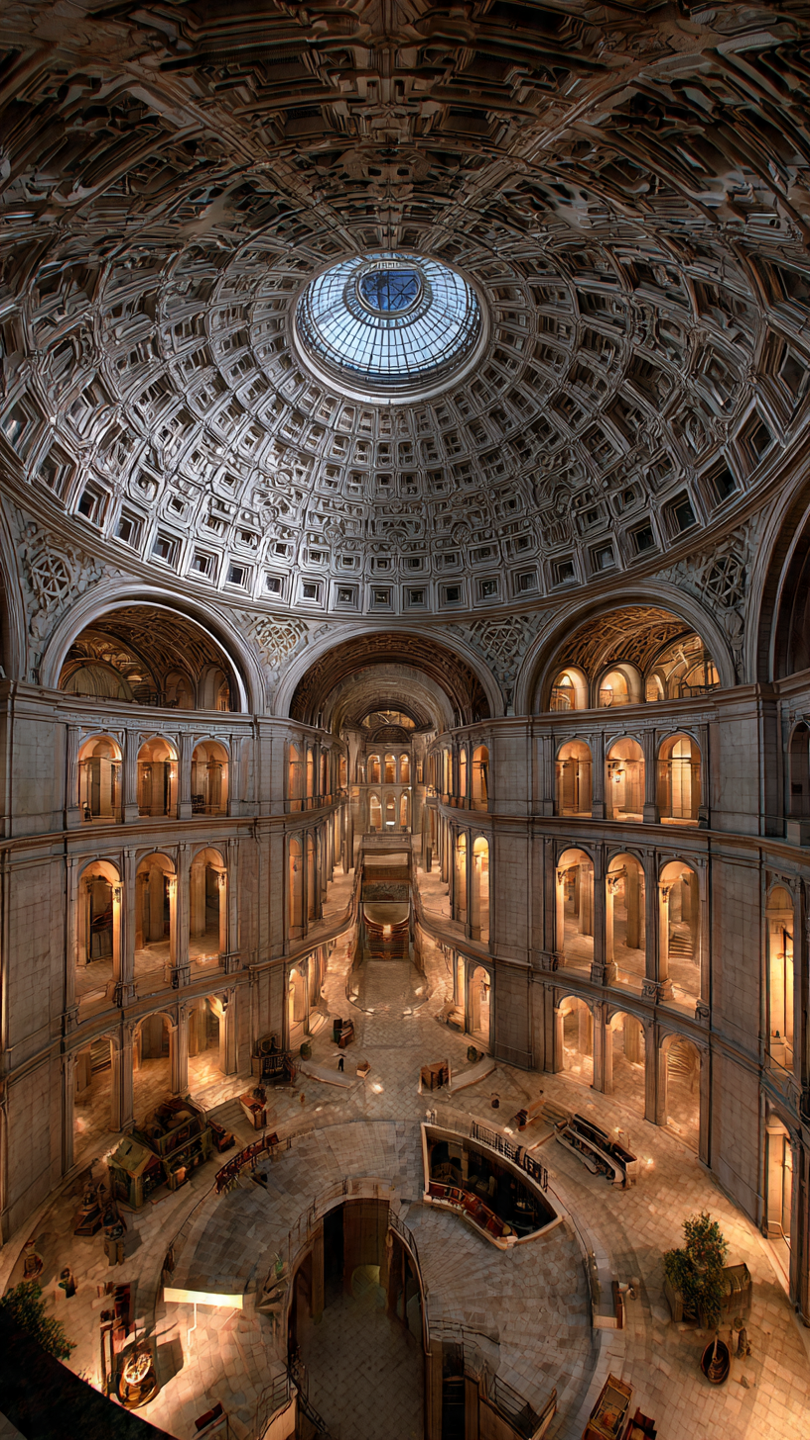

 01.jpeg)
 Chamber 01.jpeg)
 01.jpeg)
 - The Black Seminary - Symbol 01.jpeg)
 01.jpeg)
 01.jpeg)
 01.jpeg)
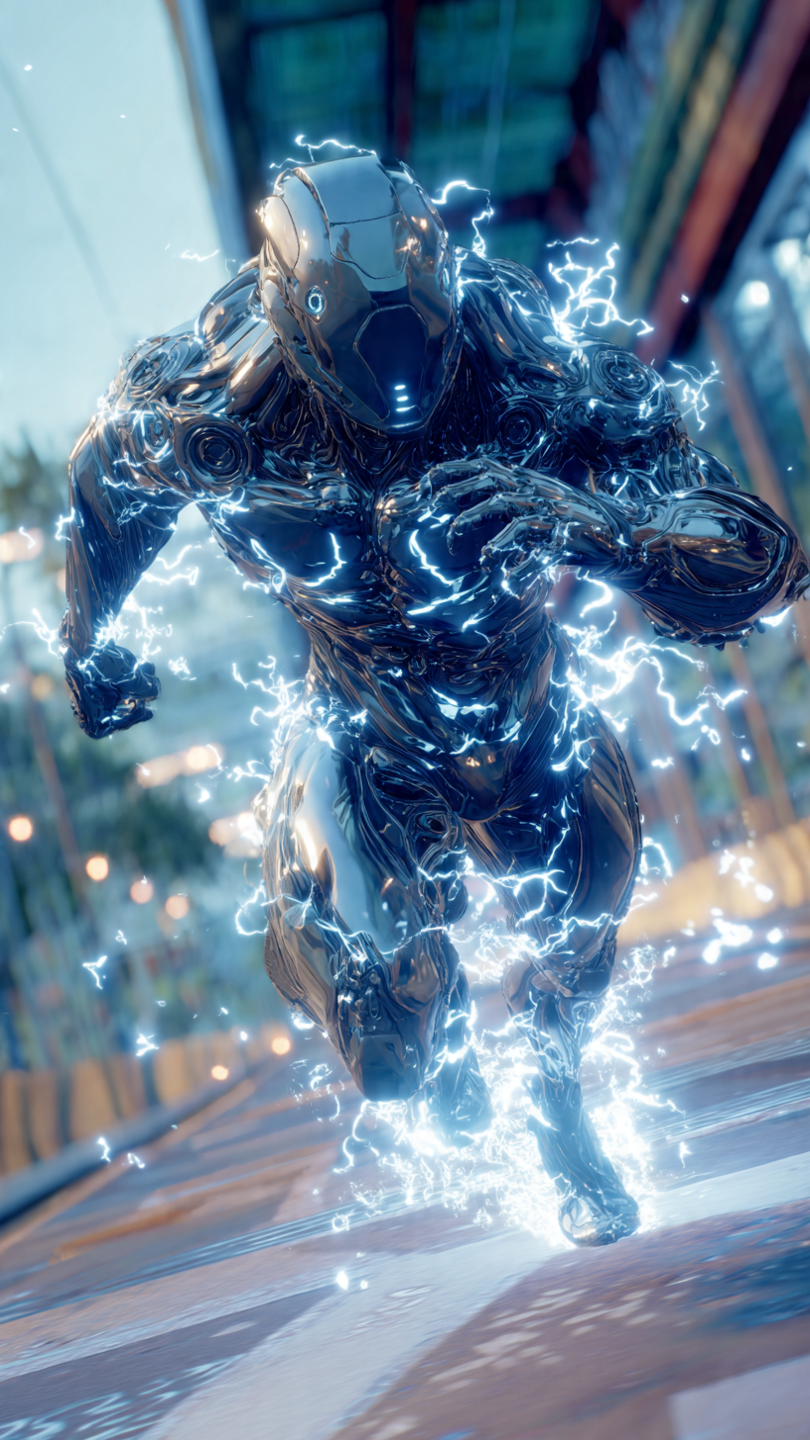
 01.jpeg)
 01.jpeg)
 01.jpeg)
 01.jpeg)
 01.jpeg)